Product Description
Established in 1989 manufacturing Furniture Raw material Ø Machine Accessories supplier for bedding, upholstery and furniture industries.It runs the business from design,mould developing,production, CHINAMFG to sale,it is a big enterprise with 1 step production and marketing.
Covers an area of 25,000 square meter,has the advance production machines,equipment and professional teams of managing,technical and sales. We believe that continued investment in product development with our commitment to total customer focus keeps us at the forefront of our industry.
To exist by quality to develop by credit standing is tenet of our factory.Welcome to send us drawings and samples and cooperate with us.We always keep improving and innovating and serve every clients cordially.
| Specifications | Furniture CHINAMFG Sofa Legs |
| Material | Iron/Aluminum/Stainless Steel/Zinc Alloy |
| Finish | Chrome,Polishing |
| Colour | CP/Gold/Black/SS/Nickel/Silver |
| Size | H=60/80/90/100/120/150mm can be ordered |
| Thickness | 0.5mm/0.8mm/1.0mm |
| Usage | Sofa,Couche,Table,Cabinet,Bathroom Vanity,Bed,Home Furniture |
| Samples | Offer free samples to check |
| MOQ | 1000PCS |
| Packing | Each in Polybag,50pcs or 100pcs/ctn |
| Delivery time | 30 days after receiving deposit. |
| Payment | T/T,L/C |
| Certificate | ISO9001:2000 |
| Material: | Metal |
|---|---|
| Usage: | Sofa, Table, Cabinet, Bed |
| Condition: | New |
| Customized: | Customized |
| Type: | Furniture Leg |
| Colour: | Silver |
| Samples: |
US$ 0/Piece
1 Piece(Min.Order) | |
|---|
| Customization: |
Available
|
|
|---|
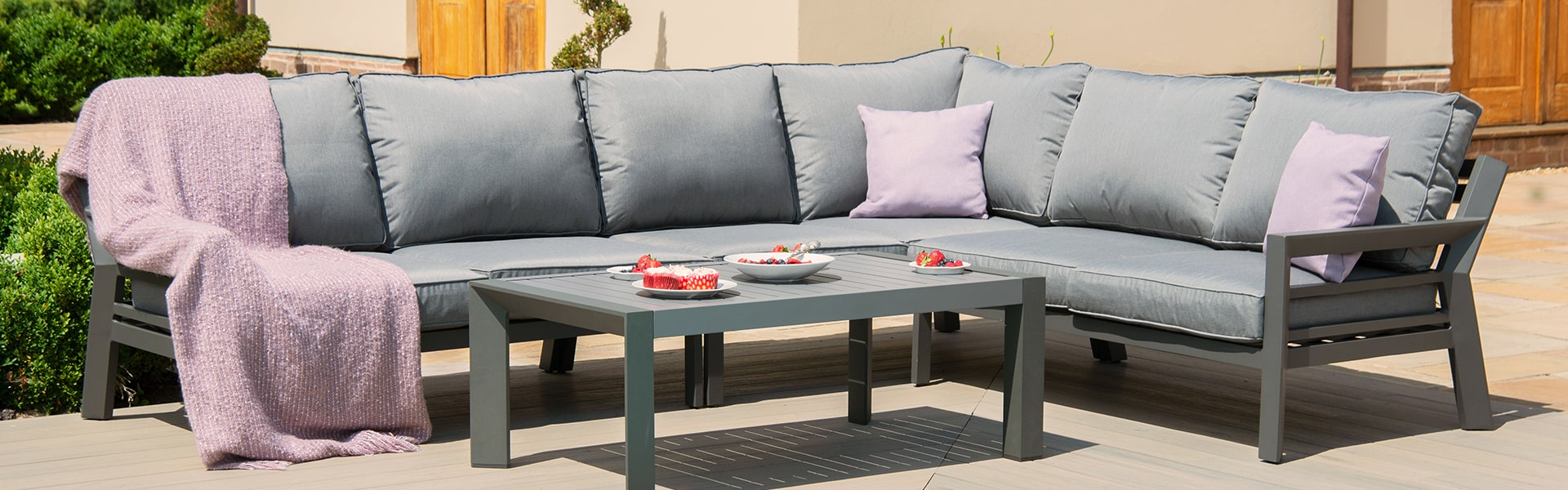
Can I leave outdoor furniture out in the rain, or should I store it indoors?
Whether you can leave outdoor furniture out in the rain or store it indoors depends on the type of furniture and the materials it’s made of. Here are some considerations:
1. Weather-Resistant Materials:
Outdoor furniture made from weather-resistant materials such as aluminum, teak, or synthetic wicker is designed to withstand exposure to rain and other elements. These materials are less prone to rust, rot, or damage caused by moisture. It’s generally safe to leave furniture made from these materials outdoors during light to moderate rain.
2. Protective Covers:
Using protective covers can help shield outdoor furniture from rain and moisture. Waterproof covers specifically designed for outdoor furniture can provide an extra layer of protection, helping to prevent water damage. If your furniture doesn’t have built-in weather resistance, using covers when rain is expected is recommended.
3. Quick-Drying Fabrics:
Outdoor furniture with quick-drying fabrics is designed to resist moisture absorption and promote faster drying. This helps prevent mold and mildew growth. If your furniture has cushions or upholstery made from quick-drying fabrics, it can be left outside during light rain, but it’s advisable to bring them indoors during heavy rain or extended periods of wet weather.
4. Non-Weather-Resistant Materials:
Some outdoor furniture materials, such as certain types of wood or untreated metals, are more susceptible to damage from moisture. These materials may warp, rot, or develop mold if exposed to rain. It’s generally best to store furniture made from non-weather-resistant materials indoors or in a covered area when not in use to prevent water damage.
5. Extreme Weather Conditions:
In cases of severe weather conditions, such as heavy rainstorms, hurricanes, or prolonged periods of wet weather, it’s advisable to store outdoor furniture indoors or in a covered area. Extreme weather can cause significant damage to furniture, even if it’s made from weather-resistant materials.
6. Seasonal Storage:
During seasons when outdoor furniture is not in use or when the weather is consistently wet, it’s generally recommended to store the furniture indoors or in a dry, covered area. This helps protect the furniture from prolonged exposure to rain and extends its lifespan.
7. Regular Maintenance:
Regardless of whether you leave outdoor furniture out in the rain or store it indoors, regular maintenance is essential. Clean the furniture regularly and follow any specific care instructions provided by the manufacturer to ensure its longevity and performance.
Ultimately, the decision to leave outdoor furniture out in the rain or store it indoors depends on the specific furniture materials, weather conditions, and personal preferences. Consider the factors mentioned above and use your judgment to determine the best course of action for your outdoor furniture.
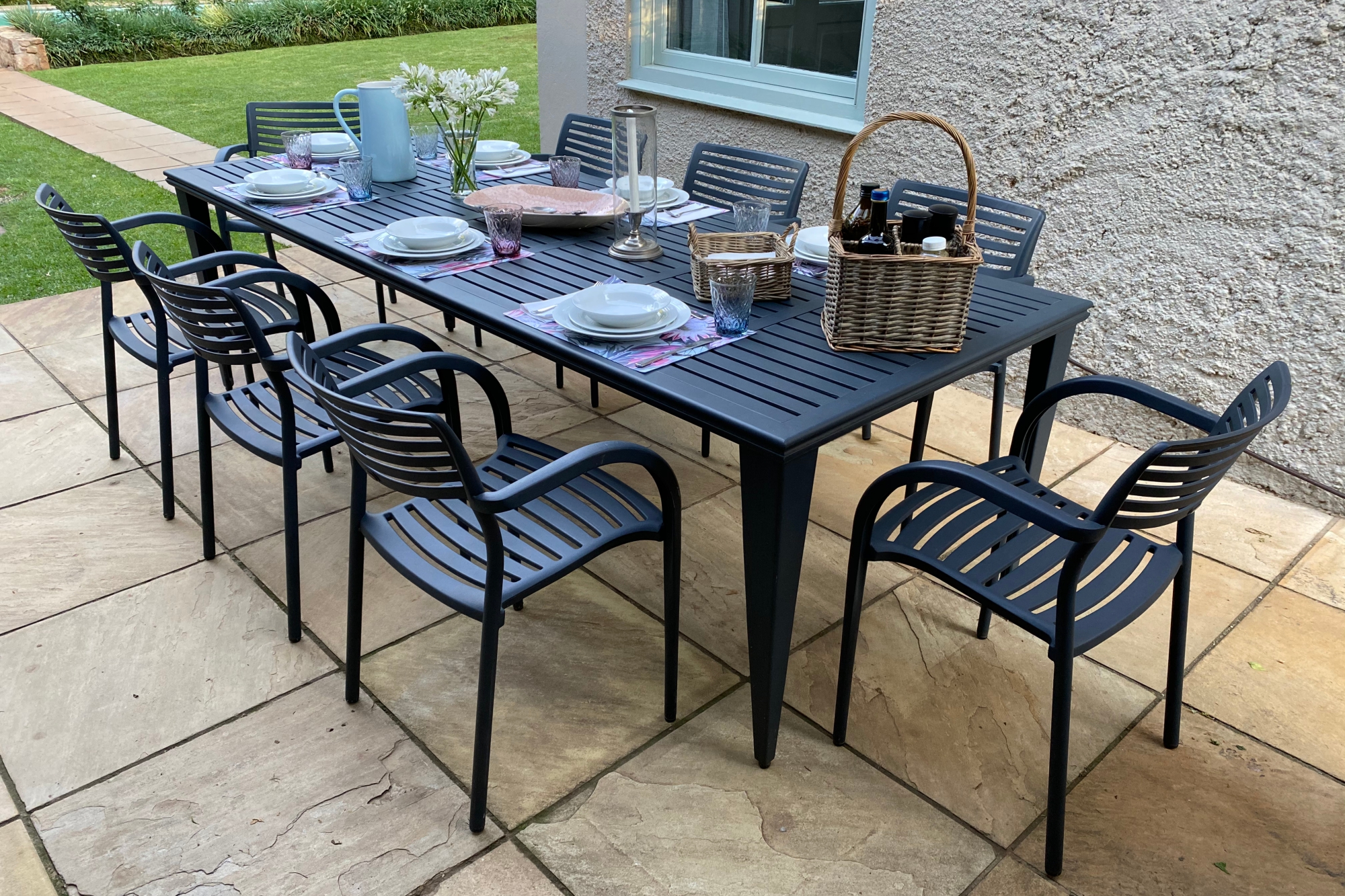
How do I choose the right size outdoor furniture for my space?
Choosing the right size outdoor furniture is crucial to ensure a comfortable and functional outdoor living space. Here are some steps to help you select the appropriate size:
1. Assess Your Space:
Measure the available space in your outdoor area to determine the dimensions you have to work with. Consider the overall layout, including any architectural features, existing structures, and natural elements like trees or slopes that may impact the placement and size of your furniture.
2. Determine the Purpose:
Decide how you plan to use your outdoor space. Will it be primarily for dining, lounging, or a combination of both? This will help determine the type and size of furniture you need.
3. Consider Traffic Flow:
Allow adequate space for people to move around and navigate comfortably. Consider pathways, entrances, and exits to ensure there is enough room for easy movement without feeling cramped.
4. Choose Appropriate Furniture Types:
Based on your space and intended use, select the types of outdoor furniture that best fit your needs. Common options include dining sets, lounge chairs, sofas, benches, and sectional seating arrangements.
5. Take Seat and Table Heights into Account:
Ensure that the seat height of chairs or sofas aligns with the table height for dining sets. This will ensure a comfortable and ergonomic seating arrangement.
6. Allow for Clearance:
Provide ample space around the furniture for easy movement and to avoid feeling cramped. Allow around 18-24 inches of clearance behind chairs for easy access and movement.
7. Consider Scale and Proportion:
Choose furniture that is proportionate to the size of your outdoor space. Oversized furniture can make a small space feel crowded, while undersized furniture may look out of place in a large area.
8. Test and Visualize:
If possible, arrange a mock layout using cardboard or tape to visualize how the furniture will fit in your space. This can help you assess the scale, proportion, and flow before making a final decision.
9. Read Product Specifications:
Pay attention to the dimensions provided by furniture manufacturers. Check the measurements of each piece to ensure it will fit comfortably in your space.
By carefully considering the size, layout, and purpose of your outdoor area, you can choose furniture that fits well and maximizes the functionality and aesthetics of your space.
How do I choose the right cushions and fabrics for my outdoor furniture?
Choosing the right cushions and fabrics for your outdoor furniture is essential to ensure comfort, durability, and resistance to the elements. Here are some factors to consider when making your selection:
1. Weather Resistance: Opt for cushions and fabrics that are specifically designed for outdoor use and can withstand various weather conditions. Look for materials that are water-resistant, fade-resistant, and mold/mildew-resistant. Common weather-resistant fabrics include solution-dyed acrylic, polyester blends, and Sunbrella fabrics.
2. Durability: Outdoor furniture cushions and fabrics should be able to withstand frequent use and the rigors of outdoor environments. Choose fabrics that are durable and have a high abrasion resistance rating. Reinforced stitching and quality construction also contribute to the longevity of the cushions.
3. UV Protection: Sun exposure can cause fading and deterioration of fabrics. Select fabrics that have built-in UV protection to minimize color fading and maintain their appearance over time. Sunbrella fabrics, for example, offer excellent UV resistance.
4. Easy Maintenance: Consider the ease of cleaning and maintenance when choosing cushions and fabrics. Look for fabrics that are easy to clean with mild soap and water or can be machine-washed. Stain-resistant fabrics can also be beneficial in outdoor settings.
5. Comfort: Opt for cushions that provide sufficient comfort and support. Consider the thickness and density of the cushion foam or filling. High-quality foam or fiberfill materials offer better resilience and long-lasting comfort.
6. Color and Style: Choose cushions and fabrics that complement your outdoor aesthetic and personal style. Consider the color scheme, patterns, and textures that will enhance the overall look of your outdoor furniture and space.
7. Compatibility: Ensure that the cushions and fabrics you choose are compatible with your specific outdoor furniture pieces. Measure the dimensions of your furniture and select cushions that fit properly and securely.
8. Test and Research: Whenever possible, examine and test the cushions and fabrics in person. Feel the texture, sit on the cushions, and assess their comfort and quality. Additionally, research customer reviews and ratings to gather insights into the performance and durability of the fabrics.
By considering these factors and conducting thorough research, you can choose cushions and fabrics that are well-suited for your outdoor furniture, providing comfort, durability, and style for your outdoor living space.
editor by CX 2023-12-04