Product Description
Product Description
Product Description:
V-belt driven air compressor is a new generation of indenpendent intent ectual property right .
It is oil shortage alarm system can effectively prevent machine from demaging due to oilless in crankcase.
it is safe and reliable. It is new type single-system valve group design and the Japenese high-performance stainless steel material bring high compression efficiency and easy maintenance. The excellent cast iron materials are under multiple-procedure precision machining, ensuring rettable quality and long life. It is suitable for factories, automatical controling system , vehicle maintenance, painting, engineering,etc with the need of compressed air.
Our Advantages
HangZhouda Motors Factory Advantages.
Prompt Quotation.
Competitive Price
Guaranteed Quality
Timely Delivery.
100% Tested.
Sincere and Professional Service.
Outstanding Finishing Surface.
Strictly and Perfect Management is guaranteed for Production.
Specialized in Manufacturing and Supplying a wide range of Electric Motors since year 2002.
Have Rich Experience and Strong ability to Develop New Products.
Have Ability to Design the Products Based on Your Original Samples.
WHAT WE DO AT HangZhouDA
Stamping of lamination
Rotor die-casting
Winding and inserting -both manual and semi-automatically
Vacuum varnishing
Machining shaft, housing, end shields, etc^
Rotor balancing
Motor assembly
Painting – both wet paint and powder coating
Packing
Inspecting spare parts every processing
100% test after each process and final test before packing.
WHAT HangZhouDA CAN DO FOR CUSTOMERS
HangZhouda supplies standard products to customers.
HangZhouda supplies standard products under customers’ brands and packaging, etc
HangZhouda R&D department develops any new products together with the customers.
We Promise you all the time after you working with us for CHINAMFG Business.
Prompt Reply to Your Inquiry within 24 Hs during Working Days.
Long Life Time Products
Products One Year Guarantee from the Date of Sales.
Professional Service in Handling Your Goods in Daily Communications
Deliver Time about 15-20 days for Normal Models.
Deliver Time about 30 days for New Models CHINAMFG Receiving the New Samples.
Company Profile
HangZhouda Technology Co., Ltd. is a modern enterprise that integrates scientific research, production, sales, and service. The company has advanced production equipment, first-class testing equipment, professional R&D personnel, and an excellent management team. Multiple products have been patented. And it has 3 subsidiaries: HangZhouda Motor, HangZhouda Welding Machine, and HangZhouda Welding Materials.
The company’s motor products mainly include various series of products such as YBX3, YBX4, YE3, YE4, YBBP, YVF, YBF3, YSF3 three-phase motors, etc. The products have passed 3C certification, CE certification, IS09000-2015 quality management system certification, and have obtained QS production license, EX explosion-proof certificate, export product quality license, etc. The products are exported to both domestic and foreign markets.
The company implements a sustainable development strategy, upholds the business philosophy of “integrity, pragmatism, efficiency, and innovation”, always adheres to the policy of “people-oriented, quality wins”, and establishes a good corporate image with advanced equipment, scientific management, meticulous design, exquisite craftsmanship, and high-quality service. The company is based in the industry and dedicated to society with high standard product quality, discounted prices, and comprehensive and thoughtful services.
HangZhouda Technology Co., Ltd. is a modern enterprise that integrates scientific research, production, sales, and service. The company has advanced production equipment, first-class testing equipment, professional R&D personnel, and an excellent management team. Multiple products have been patented. And it has 3 subsidiaries: HangZhouda Motor, HangZhouda Welding Machine, and HangZhouda Welding Materials.
The company’s motor products mainly include various series of products such as YBX3, YBX4, YE3, YE4, YBBP, YVF, YBF3, YSF3 three-phase motors, etc. The products have passed 3C certification, CE certification, IS09000-2015 quality management system certification, and have obtained QS production license, EX explosion-proof certificate, export product quality license, etc. The products are exported to both domestic and foreign markets.
The company implements a sustainable development strategy, upholds the business philosophy of “integrity, pragmatism, efficiency, and innovation”, always adheres to the policy of “people-oriented, quality wins”, and establishes a good corporate image with advanced equipment, scientific management, meticulous design, exquisite craftsmanship, and high-quality service. The company is based in the industry and dedicated to society with high standard product quality, discounted prices, and comprehensive and thoughtful services.
| Lubrication Style: | Lubricated |
|---|---|
| Cooling System: | Air Cooling |
| Cylinder Arrangement: | Balanced Opposed Arrangement |
| Cylinder Position: | Angular |
| Structure Type: | Closed Type |
| Compress Level: | Multistage |
| Customization: |
Available
|
|
|---|
.webp)
What are the advantages of using an air compressor in construction?
Using an air compressor in construction offers numerous advantages that contribute to increased efficiency, productivity, and versatility. Here are some key benefits of using air compressors in construction:
- Powering Pneumatic Tools: Air compressors are commonly used to power a wide range of pneumatic tools on construction sites. Tools such as jackhammers, nail guns, impact wrenches, drills, and sanders can be operated using compressed air. Pneumatic tools are often preferred due to their lightweight, compact design and ability to deliver high torque or impact force.
- Efficient Operation: Air compressors provide a continuous and reliable source of power for pneumatic tools, allowing for uninterrupted operation without the need for frequent battery changes or recharging. This helps to maintain a smooth workflow and reduces downtime.
- Portability: Many construction air compressors are designed to be portable, featuring wheels or handles for easy maneuverability on job sites. Portable air compressors can be transported to different areas of the construction site as needed, providing power wherever it is required.
- Versatility: Air compressors are versatile tools that can be used for various applications in construction. Apart from powering pneumatic tools, they can also be utilized for tasks such as inflating tires, cleaning debris, operating air-operated pumps, and powering air horns.
- Increased Productivity: The efficient operation and power output of air compressors enable construction workers to complete tasks more quickly and effectively. Pneumatic tools powered by air compressors often offer higher performance and faster operation compared to their electric or manual counterparts.
- Cost Savings: Air compressors can contribute to cost savings in construction projects. Pneumatic tools powered by air compressors are generally more durable and have longer lifespans compared to electric tools. Additionally, since air compressors use compressed air as their power source, they do not require the purchase or disposal of batteries or fuel, reducing ongoing operational expenses.
- Reduced Electrocution Risk: Construction sites can be hazardous environments, with the risk of electrocution from electrical tools or equipment. By utilizing air compressors and pneumatic tools, the reliance on electrical power is minimized, reducing the risk of electrocution accidents.
It is important to select the appropriate air compressor for construction applications based on factors such as required air pressure, volume, portability, and durability. Regular maintenance, including proper lubrication and cleaning, is crucial to ensure the optimal performance and longevity of air compressors in construction settings.
In summary, the advantages of using air compressors in construction include powering pneumatic tools, efficient operation, portability, versatility, increased productivity, cost savings, and reduced electrocution risk, making them valuable assets on construction sites.
.webp)
How are air compressors used in refrigeration and HVAC systems?
Air compressors play a vital role in refrigeration and HVAC (Heating, Ventilation, and Air Conditioning) systems, providing the necessary compression of refrigerant gases and facilitating the heat transfer process. Here are the key ways in which air compressors are used in refrigeration and HVAC systems:
1. Refrigerant Compression:
In refrigeration systems, air compressors are used to compress the refrigerant gas, raising its pressure and temperature. This compressed gas then moves through the system, where it undergoes phase changes and heat exchange to enable cooling or heating. The compressor is the heart of the refrigeration cycle, as it pressurizes and circulates the refrigerant.
2. Refrigeration Cycle:
The compression of refrigerant gas by the air compressor is an essential step in the refrigeration cycle. After compression, the high-pressure, high-temperature gas flows to the condenser, where it releases heat and condenses into a liquid. The liquid refrigerant then passes through an expansion valve or device, which reduces its pressure and temperature. This low-pressure, low-temperature refrigerant then enters the evaporator, absorbing heat from the surrounding environment and evaporating back into a gas. The cycle continues as the gas returns to the compressor for re-compression.
3. HVAC Cooling and Heating:
In HVAC systems, air compressors are used to facilitate cooling and heating processes. The compressor compresses the refrigerant gas, which allows it to absorb heat from the indoor environment in the cooling mode. The compressed gas releases heat in the outdoor condenser unit and then circulates back to the compressor to repeat the cycle. In the heating mode, the compressor reverses the refrigeration cycle, absorbing heat from the outdoor air or ground source and transferring it indoors.
4. Air Conditioning:
Air compressors are an integral part of air conditioning systems, which are a subset of HVAC systems. Compressed refrigerant gases are used to cool and dehumidify the air in residential, commercial, and industrial buildings. The compressor pressurizes the refrigerant, initiating the cooling cycle that removes heat from the indoor air and releases it outside.
5. Compressor Types:
Refrigeration and HVAC systems utilize different types of air compressors. Reciprocating compressors, rotary screw compressors, and scroll compressors are commonly used in these applications. The selection of the compressor type depends on factors such as system size, capacity requirements, efficiency, and application-specific considerations.
6. Energy Efficiency:
Efficient operation of air compressors is crucial for refrigeration and HVAC systems. Energy-efficient compressors help minimize power consumption and reduce operating costs. Additionally, proper compressor sizing and system design contribute to the overall energy efficiency of refrigeration and HVAC systems.
By effectively compressing refrigerant gases and facilitating the heat transfer process, air compressors enable the cooling and heating functions in refrigeration and HVAC systems, ensuring comfortable indoor environments and efficient temperature control.
.webp)
What is the role of air compressor tanks?
Air compressor tanks, also known as receiver tanks or air receivers, play a crucial role in the operation of air compressor systems. They serve several important functions:
1. Storage and Pressure Regulation: The primary role of an air compressor tank is to store compressed air. As the compressor pumps air into the tank, it accumulates and pressurizes the air. The tank acts as a reservoir, allowing the compressor to operate intermittently while providing a steady supply of compressed air during periods of high demand. It helps regulate and stabilize the pressure in the system, reducing pressure fluctuations and ensuring a consistent supply of air.
2. Condensation and Moisture Separation: Compressed air contains moisture, which can condense as the air cools down inside the tank. Air compressor tanks are equipped with moisture separators or drain valves to collect and remove this condensed moisture. The tank provides a space for the moisture to settle, allowing it to be drained out periodically. This helps prevent moisture-related issues such as corrosion, contamination, and damage to downstream equipment.
3. Heat Dissipation: During compression, air temperature increases. The air compressor tank provides a larger surface area for the compressed air to cool down and dissipate heat. This helps prevent overheating of the compressor and ensures efficient operation.
4. Pressure Surge Mitigation: Air compressor tanks act as buffers to absorb pressure surges or pulsations that may occur during compressor operation. These surges can be caused by variations in demand, sudden changes in airflow, or the cyclic nature of reciprocating compressors. The tank absorbs these pressure fluctuations, reducing stress on the compressor and other components, and providing a more stable and consistent supply of compressed air.
5. Energy Efficiency: Air compressor tanks contribute to energy efficiency by reducing the need for the compressor to run continuously. The compressor can fill the tank during periods of low demand and then shut off when the desired pressure is reached. This allows the compressor to operate in shorter cycles, reducing energy consumption and minimizing wear and tear on the compressor motor.
6. Emergency Air Supply: In the event of a power outage or compressor failure, the stored compressed air in the tank can serve as an emergency air supply. This can provide temporary air for critical operations, allowing time for maintenance or repairs to be carried out without disrupting the overall workflow.
Overall, air compressor tanks provide storage, pressure regulation, moisture separation, heat dissipation, pressure surge mitigation, energy efficiency, and emergency backup capabilities. They are vital components that enhance the performance, reliability, and longevity of air compressor systems in various industrial, commercial, and personal applications.


editor by CX 2023-11-30
China Professional Made in China Factory Small Mini Industrial 1HP 2HP 3HP 10HP 7.5kw 0.8kw Electric Oil Free Portable Piston Air Compressor Machine Price Affordable with high quality
Product Description
HENNI INTERNATIONAL GROUP
FAQ
Q1: Are you factory or trade company?
A1: We are factory , And we have ourselves trading company.
Q2: Warranty terms of your machine?
A2: One year warranty for the machine and technical support according to your needs.
Q3: What about the voltage of products?Can they be customized?
A3: Yes, of course. The voltage can be customized according to your equirement.
Q4: Which payment term can you accept?
A4: T/T, L/C, D/P, Western Union, Credit Card, and etc. Also we could accept USD, RMB, Euro and other currency.
Q5: How long will you take to arrange production?
A5: 380V 50HZ we can delivery the goods within 7-15 days. Other electricity or other color we will delivery within 20-30 days.
Q6: Can you accept OEM orders?
A6: Yes, with professional design team, OEM orders are highly welcome.
Q7: Which trade term can you accept?
A7: Available trade terms: FOB, CIF, CFR, EXW, CPT, etc.
| After-sales Service: | Yes |
|---|---|
| Warranty: | 1 Year |
| Lubrication Style: | Oil-free |
| Cooling System: | Air Cooling |
| Power Source: | AC Power |
| Cylinder Position: | Horizontal |
| Customization: |
Available
|
|
|---|
How are air compressors employed in the petrochemical industry?
Air compressors play a vital role in the petrochemical industry, where they are employed for various applications that require compressed air. The petrochemical industry encompasses the production of chemicals and products derived from petroleum and natural gas. Here’s an overview of how air compressors are utilized in the petrochemical industry:
1. Instrumentation and Control Systems:
Air compressors are used to power pneumatic instrumentation and control systems in petrochemical plants. These systems rely on compressed air to operate control valves, actuators, and other pneumatic devices that regulate processes such as flow control, pressure control, and temperature control. Compressed air provides a reliable and clean source of energy for these critical control mechanisms.
2. Pneumatic Tools and Equipment:
Petrochemical plants often utilize pneumatic tools and equipment for various tasks such as maintenance, repair, and construction activities. Air compressors supply the necessary compressed air to power these tools, including pneumatic drills, impact wrenches, grinders, sanders, and painting equipment. The versatility and convenience of compressed air make it an ideal energy source for a wide range of pneumatic tools used in the industry.
3. Process Air and Gas Supply:
Petrochemical processes often require a supply of compressed air and gases for specific applications. Air compressors are employed to generate compressed air for processes such as oxidation, combustion, and aeration. They may also be used to compress gases like nitrogen, hydrogen, and oxygen, which are utilized in various petrochemical reactions and treatment processes.
4. Cooling and Ventilation:
Petrochemical plants require adequate cooling and ventilation systems to maintain optimal operating conditions and ensure the safety of personnel. Air compressors are used to power cooling fans, blowers, and air circulation systems that help maintain the desired temperature, remove heat generated by equipment, and provide ventilation in critical areas.
5. Nitrogen Generation:
Nitrogen is widely used in the petrochemical industry for applications such as blanketing, purging, and inerting. Air compressors are utilized in nitrogen generation systems, where they compress atmospheric air, which is then passed through a nitrogen separation process to produce high-purity nitrogen gas. This nitrogen is used for various purposes, including preventing the formation of explosive mixtures, protecting sensitive equipment, and maintaining the integrity of stored products.
6. Instrument Air:
Instrument air is essential for operating pneumatic instruments, analyzers, and control devices throughout the petrochemical plant. Air compressors supply compressed air that is treated and conditioned to meet the stringent requirements of instrument air quality standards. Instrument air is used for tasks such as pneumatic conveying, pneumatic actuators, and calibration of instruments.
By employing air compressors in the petrochemical industry, operators can ensure reliable and efficient operation of pneumatic systems, power various tools and equipment, support critical processes, and maintain safe and controlled environments.
.webp)
Are there differences between single-stage and two-stage air compressors?
Yes, there are differences between single-stage and two-stage air compressors. Here’s an in-depth explanation of their distinctions:
Compression Stages:
The primary difference between single-stage and two-stage air compressors lies in the number of compression stages they have. A single-stage compressor has only one compression stage, while a two-stage compressor has two sequential compression stages.
Compression Process:
In a single-stage compressor, the entire compression process occurs in a single cylinder. The air is drawn into the cylinder, compressed in a single stroke, and then discharged. On the other hand, a two-stage compressor utilizes two cylinders or chambers. In the first stage, air is compressed to an intermediate pressure in the first cylinder. Then, the partially compressed air is sent to the second cylinder where it undergoes further compression to reach the desired final pressure.
Pressure Output:
The number of compression stages directly affects the pressure output of the air compressor. Single-stage compressors typically provide lower maximum pressure levels compared to two-stage compressors. Single-stage compressors are suitable for applications that require moderate to low air pressure, while two-stage compressors are capable of delivering higher pressures, making them suitable for demanding applications that require greater air pressure.
Efficiency:
Two-stage compressors generally offer higher efficiency compared to single-stage compressors. The two-stage compression process allows for better heat dissipation between stages, reducing the chances of overheating and improving overall efficiency. Additionally, the two-stage design allows the compressor to achieve higher compression ratios while minimizing the work done by each stage, resulting in improved energy efficiency.
Intercooling:
Intercooling is a feature specific to two-stage compressors. Intercoolers are heat exchangers placed between the first and second compression stages. They cool down the partially compressed air before it enters the second stage, reducing the temperature and improving compression efficiency. The intercooling process helps to minimize heat buildup and reduces the potential for moisture condensation within the compressor system.
Applications:
The choice between a single-stage and two-stage compressor depends on the intended application. Single-stage compressors are commonly used for light-duty applications such as powering pneumatic tools, small-scale workshops, and DIY projects. Two-stage compressors are more suitable for heavy-duty applications that require higher pressures, such as industrial manufacturing, automotive service, and large-scale construction.
It is important to consider the specific requirements of the application, including required pressure levels, duty cycle, and anticipated air demand, when selecting between a single-stage and two-stage air compressor.
In summary, the main differences between single-stage and two-stage air compressors lie in the number of compression stages, pressure output, efficiency, intercooling capability, and application suitability.
.webp)
What are the safety considerations when operating an air compressor?
Operating an air compressor requires careful attention to safety to prevent accidents, injuries, and equipment damage. Here are some important safety considerations to keep in mind:
1. Read the Manual: Before operating an air compressor, thoroughly read and understand the manufacturer’s instruction manual. Familiarize yourself with the specific safety guidelines, recommended operating procedures, and any specific precautions or warnings provided by the manufacturer.
2. Proper Ventilation: Ensure that the area where the air compressor is operated has adequate ventilation. Compressed air can produce high levels of heat and exhaust gases. Good ventilation helps dissipate heat, prevent the buildup of fumes, and maintain a safe working environment.
3. Personal Protective Equipment (PPE): Always wear appropriate personal protective equipment, including safety glasses or goggles, hearing protection, and non-slip footwear. Depending on the task, additional PPE such as gloves, a dust mask, or a face shield may be necessary to protect against specific hazards.
4. Pressure Relief: Air compressors should be equipped with pressure relief valves or devices to prevent overpressurization. Ensure that these safety features are in place and functioning correctly. Regularly inspect and test the pressure relief mechanism to ensure its effectiveness.
5. Secure Connections: Use proper fittings, hoses, and couplings to ensure secure connections between the air compressor, air tools, and accessories. Inspect all connections before operation to avoid leaks or sudden hose disconnections, which can cause injuries or damage.
6. Inspect and Maintain: Regularly inspect the air compressor for any signs of damage, wear, or leaks. Ensure that all components, including hoses, fittings, and safety devices, are in good working condition. Follow the manufacturer’s recommended maintenance schedule to keep the compressor in optimal shape.
7. Electrical Safety: If the air compressor is electric-powered, take appropriate electrical safety precautions. Use grounded outlets and avoid using extension cords unless approved for the compressor’s power requirements. Protect electrical connections from moisture and avoid operating the compressor in wet or damp environments.
8. Safe Start-Up and Shut-Down: Properly start and shut down the air compressor following the manufacturer’s instructions. Ensure that all air valves are closed before starting the compressor and release all pressure before performing maintenance or repairs.
9. Training and Competence: Ensure that operators are adequately trained and competent in using the air compressor and associated tools. Provide training on safe operating procedures, hazard identification, and emergency response protocols.
10. Emergency Preparedness: Have a clear understanding of emergency procedures and how to respond to potential accidents or malfunctions. Know the location of emergency shut-off valves, fire extinguishers, and first aid kits.
By adhering to these safety considerations and implementing proper safety practices, the risk of accidents and injuries associated with operating an air compressor can be significantly reduced. Prioritizing safety promotes a secure and productive working environment.
editor by CX 2023-11-29
China supplier CHINAMFG Wd615 Oil Seal Air Compressor Vg0003070092 Dongfeng/Shacman/Hongyan/Hino/Jmc/Foton/Forland/Isuzu/DFAC/FAW/HOWO/Sinotruk/Sitrak/JAC/Gallop manufacturer
Product Description
| Description: | Oil Seal Air Compressor |
| Model: | WD615 |
| Part No.: | VG0003070092 |
| Brand: | ZHONGPEI |
| Warranty: | 6 Months |
| Application: | Truck |
| Package: | Carton Box |
One -station purchasing
Occupy an area of 50, 000 square meters, 20 warehouses with over 700 members…
Supporting with over 100, 000 kinds of spare parts, which make us always offer our customers satisfied service, especially timely deliver and variety kinds of auto parts
1: 25 years’ experience in auto parts.
2: No. 1 auto parts supplier in China Brand vehicles.
3: Auto parts on light, medium and heavy truck, bus, pick up.
4: Supply Engine/Gearbox assy and all Engine/Gearbox/Chassis/Body spare parts.
Chinese brand vehicles’ spare parts available…
| JAC SERIES
JAC1571,JAC1571,JAC1030,JAC1035,JAC1040,JAC1045,JAC1048,JAC1061,JAC1063,JAC1083,JAC3045,JAC3048,JAC3072,JAC3090,JAC-SWORD,JAC-GALLOP,ReFine,JAC-BUS(HK/HFC),JAC-forklifts,JAC-PICK… |
| FOTON/FORLAND/BAW SERIES
BJ1571,BJ6486/88, BJ1571,BJ1571,BJ1036,BJ1039,BJ1043,BJ1046,BJ1049(OLLIN),BJ1069(OLLIN),BJ1089,BJ3042,BJ3043,BJ3052,BJ3062,BJ3072,AUMAN,BAW1030,BAW1040,BAW1044,BAW1048^ |
| JMC/ISUZU SERIES
JMC1571,JMC1030,JMC1032,JMC1040,JMC1042,NHR,NKR,100P,600P,700P^ |
| XIHU (WEST LAKE) DIS.FENG SERIES
EQ1030,EQ1032,EQ1040,EQ1044,EQ1045,EQ1071,EQ1081,EQ3060,EQ3061,EQ3092,DFL-KINLAND,DFA-BUS^ |
| SINOTRUK SERIES
STEYR,STEYR KING,NEW-HUANGHE,HOWO,HOWO-A7,SITRAK-T7H,Golden Prince,HOKA,HAOYUN,HOWO -LIGHT TRUCK,MINE TRUCK,Golden Prince^ |
| FAW SERIES
CA1571,CA1031,CA1041,CA1047,CA1051,CA1061,CA1081,J4,J4Q,J5K,J5M,J5P,J5Q,J6^ |
| YUXIHU (WEST LAKE) DIS. SERIES
NJ1571,NJ1026,NJ1571,NJ1030,NJ1035,NJ1038,NJ1040,NJ1042,NJ1043,NJ1062,NJ1063^ |
| BUS SERIES
KING LONG(XMQ),GOLDEN DRAGON(XML),HIGER(KLQ),YUTONG(ZK),ZHONG TONG(LCK),YOUNG MAN(JNP),HENG TONG(CKZ),SHAOLIN(SLG),XIHU (WEST LAKE) DIS.,SHENLONG(SLK),ANKAI(HFF),FOTON O-V(BJ),HUANGHAI(DD),ZONDA(YCK)^ |
| OTHER SERIES
ZheJiang -F2000, ZheJiang -F3000,SAIC-IVECO XIHU (WEST LAKE) DIS.N,CAMC GREAT WALL(CC),ZXIHU (WEST LAKE) DIS.(BQ),JINBEI(SY),DADI AUTO(BDD),XINKAI(HXK),TIANMA(KZ),GONOW,HAFEI,CHANA,CHANGHE,XIHU (WEST LAKE) DIS.,CHERY,GEELY,BYD^ |
| After-sales Service: | 6 Months |
|---|---|
| Warranty: | 6 Months |
| Type: | Chassis |
| Customization: |
Available
|
|
|---|
.shipping-cost-tm .tm-status-off{background: none;padding:0;color: #1470cc}
|
Shipping Cost:
Estimated freight per unit. |
about shipping cost and estimated delivery time. |
|---|
| Payment Method: |
|
|---|---|
|
Initial Payment Full Payment |
| Currency: | US$ |
|---|
| Return&refunds: | You can apply for a refund up to 30 days after receipt of the products. |
|---|
.webp)
Can air compressors be used for shipbuilding and maritime applications?
Air compressors are widely used in shipbuilding and maritime applications for a variety of tasks and operations. The maritime industry relies on compressed air for numerous essential functions. Here’s an overview of how air compressors are employed in shipbuilding and maritime applications:
1. Pneumatic Tools and Equipment:
Air compressors are extensively used to power pneumatic tools and equipment in shipbuilding and maritime operations. Pneumatic tools such as impact wrenches, drills, grinders, sanders, and chipping hammers require compressed air to function. The versatility and power provided by compressed air make it an ideal energy source for heavy-duty tasks, maintenance, and construction activities in shipyards and onboard vessels.
2. Painting and Surface Preparation:
Air compressors play a crucial role in painting and surface preparation during shipbuilding and maintenance. Compressed air is used to power air spray guns, sandblasting equipment, and other surface preparation tools. Compressed air provides the force necessary for efficient and uniform application of paints, coatings, and protective finishes, ensuring the durability and aesthetics of ship surfaces.
3. Pneumatic Actuation and Controls:
Air compressors are employed in pneumatic actuation and control systems onboard ships. Compressed air is used to operate pneumatic valves, actuators, and control devices that regulate the flow of fluids, control propulsion systems, and manage various shipboard processes. Pneumatic control systems offer reliability and safety advantages in maritime applications.
4. Air Start Systems:
In large marine engines, air compressors are used in air start systems. Compressed air is utilized to initiate the combustion process in the engine cylinders. The compressed air is injected into the cylinders to turn the engine’s crankshaft, enabling the ignition of fuel and starting the engine. Air start systems are commonly found in ship propulsion systems and power generation plants onboard vessels.
5. Pneumatic Conveying and Material Handling:
In shipbuilding and maritime operations, compressed air is used for pneumatic conveying and material handling. Compressed air is utilized to transport bulk materials, such as cement, sand, and grain, through pipelines or hoses. Pneumatic conveying systems enable efficient and controlled transfer of materials, facilitating construction, cargo loading, and unloading processes.
6. Air Conditioning and Ventilation:
Air compressors are involved in air conditioning and ventilation systems onboard ships. Compressed air powers air conditioning units, ventilation fans, and blowers, ensuring proper air circulation, cooling, and temperature control in various ship compartments, cabins, and machinery spaces. Compressed air-driven systems contribute to the comfort, safety, and operational efficiency of maritime environments.
These are just a few examples of how air compressors are utilized in shipbuilding and maritime applications. Compressed air’s versatility, reliability, and convenience make it an indispensable energy source for various tasks and systems in the maritime industry.
.webp)
How do you maintain proper air quality in compressed air systems?
Maintaining proper air quality in compressed air systems is essential to ensure the reliability and performance of pneumatic equipment and the safety of downstream processes. Here are some key steps to maintain air quality:
1. Air Filtration:
Install appropriate air filters in the compressed air system to remove contaminants such as dust, dirt, oil, and water. Filters are typically placed at various points in the system, including the compressor intake, aftercoolers, and before point-of-use applications. Regularly inspect and replace filters to ensure their effectiveness.
2. Moisture Control:
Excessive moisture in compressed air can cause corrosion, equipment malfunction, and compromised product quality. Use moisture separators or dryers to remove moisture from the compressed air. Refrigerated dryers, desiccant dryers, or membrane dryers are commonly employed to achieve the desired level of dryness.
3. Oil Removal:
If the compressed air system utilizes oil-lubricated compressors, it is essential to incorporate proper oil removal mechanisms. This can include coalescing filters or adsorption filters to remove oil aerosols and vapors from the air. Oil-free compressors eliminate the need for oil removal.
4. Regular Maintenance:
Perform routine maintenance on the compressed air system, including inspections, cleaning, and servicing of equipment. This helps identify and address any potential issues that may affect air quality, such as leaks, clogged filters, or malfunctioning dryers.
5. Air Receiver Tank Maintenance:
Regularly drain and clean the air receiver tank to remove accumulated contaminants, including water and debris. Proper maintenance of the tank helps prevent contamination from being introduced into the compressed air system.
6. Air Quality Testing:
Periodically test the quality of the compressed air using appropriate instruments and methods. This can include measuring particle concentration, oil content, dew point, and microbial contamination. Air quality testing provides valuable information about the effectiveness of the filtration and drying processes and helps ensure compliance with industry standards.
7. Education and Training:
Educate personnel working with compressed air systems about the importance of air quality and the proper procedures for maintaining it. Provide training on the use and maintenance of filtration and drying equipment, as well as awareness of potential contaminants and their impact on downstream processes.
8. Documentation and Record-Keeping:
Maintain accurate records of maintenance activities, including filter replacements, drying system performance, and air quality test results. Documentation helps track the system’s performance over time and provides a reference for troubleshooting or compliance purposes.
By implementing these practices, compressed air systems can maintain proper air quality, minimize equipment damage, and ensure the integrity of processes that rely on compressed air.
Can you explain the basics of air compressor terminology?
Understanding the basic terminology related to air compressors can help in better comprehension of their operation and discussions related to them. Here are some essential terms related to air compressors:
1. CFM (Cubic Feet per Minute): CFM is a unit of measurement that denotes the volumetric flow rate of compressed air. It indicates the amount of air a compressor can deliver within a minute and is a crucial factor in determining the compressor’s capacity.
2. PSI (Pounds per Square Inch): PSI is a unit of measurement used to quantify pressure. It represents the force exerted by the compressed air on a specific area. PSI is a vital specification for understanding the pressure capabilities of an air compressor and determining its suitability for various applications.
3. Duty Cycle: Duty cycle refers to the percentage of time an air compressor can operate in a given time period. It indicates the compressor’s ability to handle continuous operation without overheating or experiencing performance issues. For instance, a compressor with a 50% duty cycle can run for half the time in a given hour or cycle.
4. Horsepower (HP): Horsepower is a unit used to measure the power output of a compressor motor. It indicates the motor’s capacity to drive the compressor pump and is often used as a reference for comparing different compressor models.
5. Receiver Tank: The receiver tank, also known as an air tank, is a storage vessel that holds the compressed air delivered by the compressor. It helps in stabilizing pressure fluctuations, allowing for a more consistent supply of compressed air during peak demand periods.
6. Single-Stage vs. Two-Stage: These terms refer to the number of compression stages in a reciprocating air compressor. In a single-stage compressor, air is compressed in a single stroke of the piston, while in a two-stage compressor, it undergoes initial compression in one stage and further compression in a second stage, resulting in higher pressures.
7. Oil-Free vs. Oil-Lubricated: These terms describe the lubrication method used in air compressors. Oil-free compressors have internal components that do not require oil lubrication, making them suitable for applications where oil contamination is a concern. Oil-lubricated compressors use oil for lubrication, enhancing durability and performance but requiring regular oil changes and maintenance.
8. Pressure Switch: A pressure switch is an electrical component that automatically starts and stops the compressor motor based on the pre-set pressure levels. It helps maintain the desired pressure range in the receiver tank and protects the compressor from over-pressurization.
9. Regulator: A regulator is a device used to control and adjust the output pressure of the compressed air. It allows users to set the desired pressure level for specific applications and ensures a consistent and safe supply of compressed air.
These are some of the fundamental terms associated with air compressors. Familiarizing yourself with these terms will aid in understanding and effectively communicating about air compressors and their functionality.
editor by CX 2023-11-29
China Best Sales China OEM Energy Saving Rotary Compressor Portable Type Direct Air Compressor CHINAMFG with Tank Made in China manufacturer
Product Description
Product Description
Q1: What information do I need to provide to get the suitable machine?
1. How much air delivery capacity ( Unit:CFM or M3/Min )
2 How much working pressure ( Unit:PSI, Bar or Mpa )
3.What is the voltage and frequency of my country of residence ( V/Hz )
4. Whether I need other accessories such as air tank, filters and/or air dryers.
Tell us the answer, we will offer scheme for you!
Q2: What are the general unit conversion?
1bar = 0.1Mpa = 14.5psi 1m³/min = 35.32cfm 1KW = 1.34HP
Q3: Are you factory or trading company?
We are factory. Our factory is located in 39 Xihu (West Lake) Dis. Rd, HangZhou, ZHangZhoug
Q4: Which trade term can you accept?
FOB, CIF, CFR, EXW, etc.
Q5: How long will you take to arrange production?
15 days for Regular Products, 35 days for Customizing Models
SPECIFICATION
| MODEL | LZN-10-8 |
| Ambient Temperature | -5ºC to +45 ºC |
| Max Pressure (bar) | 8 |
| Air Delivery (m3/min) | 1.0 |
| Compression Stage | Single Stage Compression |
| Cooling Method | Air Cooled |
| Discharge Temperature (ºC) | ≤ 75ºC |
| Oil Cotent (ppm) | ≤3 |
| Transmission Method | Belt Driven |
| Sound Level dB(A) | 66±3 |
| Lubricating Oil Amount | 3.5L |
| Motor Power | 7.5KW/10HP |
| Motor Level Of Protection | IP55 |
| Voltage | 380V/3ph/50Hz |
| Dimensions (mm) | 1570×650×1452(L*W*H) |
| Weight | 435KG |
| Discharge Outlet Thread | 1/2” |
MODEL
| After-sales Service: | Video, Live, Site Support |
|---|---|
| Warranty: | 2-Year-Warranty |
| Lubrication Style: | Lubricated |
| Cooling System: | Air Cooling |
| Power Source: | AC Power |
| Cylinder Position: | N/a |
| Samples: |
US$ 1100/Piece
1 Piece(Min.Order) | |
|---|
| Customization: |
Available
|
|
|---|
What are the advantages of using an air compressor in construction?
Using an air compressor in construction offers numerous advantages that contribute to increased efficiency, productivity, and versatility. Here are some key benefits of using air compressors in construction:
- Powering Pneumatic Tools: Air compressors are commonly used to power a wide range of pneumatic tools on construction sites. Tools such as jackhammers, nail guns, impact wrenches, drills, and sanders can be operated using compressed air. Pneumatic tools are often preferred due to their lightweight, compact design and ability to deliver high torque or impact force.
- Efficient Operation: Air compressors provide a continuous and reliable source of power for pneumatic tools, allowing for uninterrupted operation without the need for frequent battery changes or recharging. This helps to maintain a smooth workflow and reduces downtime.
- Portability: Many construction air compressors are designed to be portable, featuring wheels or handles for easy maneuverability on job sites. Portable air compressors can be transported to different areas of the construction site as needed, providing power wherever it is required.
- Versatility: Air compressors are versatile tools that can be used for various applications in construction. Apart from powering pneumatic tools, they can also be utilized for tasks such as inflating tires, cleaning debris, operating air-operated pumps, and powering air horns.
- Increased Productivity: The efficient operation and power output of air compressors enable construction workers to complete tasks more quickly and effectively. Pneumatic tools powered by air compressors often offer higher performance and faster operation compared to their electric or manual counterparts.
- Cost Savings: Air compressors can contribute to cost savings in construction projects. Pneumatic tools powered by air compressors are generally more durable and have longer lifespans compared to electric tools. Additionally, since air compressors use compressed air as their power source, they do not require the purchase or disposal of batteries or fuel, reducing ongoing operational expenses.
- Reduced Electrocution Risk: Construction sites can be hazardous environments, with the risk of electrocution from electrical tools or equipment. By utilizing air compressors and pneumatic tools, the reliance on electrical power is minimized, reducing the risk of electrocution accidents.
It is important to select the appropriate air compressor for construction applications based on factors such as required air pressure, volume, portability, and durability. Regular maintenance, including proper lubrication and cleaning, is crucial to ensure the optimal performance and longevity of air compressors in construction settings.
In summary, the advantages of using air compressors in construction include powering pneumatic tools, efficient operation, portability, versatility, increased productivity, cost savings, and reduced electrocution risk, making them valuable assets on construction sites.
.webp)
How are air compressors utilized in pneumatic tools?
Air compressors play a crucial role in powering and operating pneumatic tools. Here’s a detailed explanation of how air compressors are utilized in pneumatic tools:
Power Source:
Pneumatic tools rely on compressed air as their power source. The air compressor generates and stores compressed air, which is then delivered to the pneumatic tool through a hose or piping system. The compressed air provides the force necessary for the tool to perform various tasks.
Air Pressure Regulation:
Air compressors are equipped with pressure regulation systems to control the output pressure of the compressed air. Different pneumatic tools require different air pressure levels to operate optimally. The air compressor’s pressure regulator allows users to adjust the output pressure according to the specific requirements of the pneumatic tool being used.
Air Volume and Flow:
Air compressors provide a continuous supply of compressed air, ensuring a consistent air volume and flow rate for pneumatic tools. The air volume is typically measured in cubic feet per minute (CFM) and determines the tool’s performance capabilities. Higher CFM ratings indicate that the pneumatic tool can deliver more power and operate at a faster rate.
Tool Actuation:
Pneumatic tools utilize compressed air to actuate their mechanical components. For example, an air-powered impact wrench uses compressed air to drive the tool’s internal hammer mechanism, generating high torque for fastening or loosening bolts and nuts. Similarly, air-powered drills, sanders, nail guns, and spray guns rely on compressed air to power their respective operations.
Versatility:
One of the significant advantages of pneumatic tools is their versatility, and air compressors enable this flexibility. A single air compressor can power a wide range of pneumatic tools, eliminating the need for separate power sources for each tool. This makes pneumatic tools a popular choice in various industries, such as automotive, construction, manufacturing, and woodworking.
Portability:
Air compressors come in different sizes and configurations, offering varying degrees of portability. Smaller portable air compressors are commonly used in applications where mobility is essential, such as construction sites or remote locations. The portability of air compressors allows pneumatic tools to be used in various work environments without the constraints of being tethered to a fixed power source.
Overall, air compressors are integral to the functionality and operation of pneumatic tools. They provide the necessary power, air pressure regulation, and continuous airflow required for pneumatic tools to perform a wide range of tasks efficiently and effectively.
Can air compressors be used for automotive applications?
Yes, air compressors can be used for various automotive applications and are commonly found in automotive repair shops, garages, and even in some vehicles. Here are some automotive applications where air compressors are frequently utilized:
1. Tire Inflation: Air compressors are commonly used to inflate tires in automotive applications. They provide a convenient and efficient way to inflate tires to the recommended pressure, ensuring optimal tire performance, fuel efficiency, and safety.
2. Air Tools: Air compressors power a wide range of pneumatic tools used in automotive repair and maintenance. These tools include impact wrenches, ratchet wrenches, air hammers, pneumatic drills, and sanders. Air-powered tools are favored for their high torque and power-to-weight ratio, making them suitable for heavy-duty automotive tasks.
3. Spray Painting: Air compressors are commonly used in automotive painting applications. They power airbrushes and spray guns that are used to apply paint, primer, and clear coats. Air compressors provide the necessary air pressure to atomize the paint and deliver a smooth and even finish.
4. Brake System Maintenance: Air compressors play a crucial role in maintaining and diagnosing automotive brake systems. They are used to pressurize the brake lines, allowing for proper bleeding of the system and detection of leaks or faults.
5. Suspension Systems: Some automotive suspension systems, such as air suspensions, rely on air compressors to maintain the desired air pressure in the suspension components. The compressor inflates or deflates the suspension as needed to provide a comfortable ride and optimal handling.
6. Cleaning and Dusting: Air compressors are used for cleaning automotive parts, blowing away dust and debris, and drying surfaces. They provide a high-pressure stream of air that effectively cleans hard-to-reach areas.
7. Air Conditioning Systems: Air compressors are a key component in automotive air conditioning systems. They compress and circulate refrigerant, allowing the system to cool and dehumidify the air inside the vehicle.
When using air compressors for automotive applications, it’s important to consider the specific requirements of the task at hand. Ensure that the air compressor has the necessary pressure and capacity to meet the demands of the application. Additionally, use appropriate air hoses, fittings, and tools that are compatible with the compressor’s output.
Overall, air compressors are versatile and valuable tools in the automotive industry, providing efficient power sources for a wide range of applications, from tire inflation to powering pneumatic tools and supporting various automotive systems.
editor by CX 2023-11-28
China supplier Modern Design Garden Furniture Weaving Contemporary Outdoor Rope Sofa vacuum pump adapter
Product Description
Product Description
More Style
Raw Material
Company Profile
Packaging & Shipping
FAQ
1.Production Lead Time:
1. High Season (September to April): 30-40 days .
2. Low Season (May to August): around 18-25 days .
3. We will come up with a detailed production schedule for each order and this schedule will be a platform for onward communication between customers and us.
2.payment item:
1. 30% down payment before production and balance before shipment.
2. We can offer different pricing of FOB, CIF and C&F.
3. Cash, Ali Express Escrow, Paypal, West Union, Money Gram, Bank Transfer and L/C are all available.
| Material: | Fabric |
|---|---|
| Frame Material: | Metal |
| Style: | European |
| Type: | Combination |
| Usage: | Balcony/Garden/Outdoor |
| Folded: | Unfolded |
| Customization: |
Available
|
|
|---|

Can I leave outdoor furniture out in the rain, or should I store it indoors?
Whether you can leave outdoor furniture out in the rain or store it indoors depends on the type of furniture and the materials it’s made of. Here are some considerations:
1. Weather-Resistant Materials:
Outdoor furniture made from weather-resistant materials such as aluminum, teak, or synthetic wicker is designed to withstand exposure to rain and other elements. These materials are less prone to rust, rot, or damage caused by moisture. It’s generally safe to leave furniture made from these materials outdoors during light to moderate rain.
2. Protective Covers:
Using protective covers can help shield outdoor furniture from rain and moisture. Waterproof covers specifically designed for outdoor furniture can provide an extra layer of protection, helping to prevent water damage. If your furniture doesn’t have built-in weather resistance, using covers when rain is expected is recommended.
3. Quick-Drying Fabrics:
Outdoor furniture with quick-drying fabrics is designed to resist moisture absorption and promote faster drying. This helps prevent mold and mildew growth. If your furniture has cushions or upholstery made from quick-drying fabrics, it can be left outside during light rain, but it’s advisable to bring them indoors during heavy rain or extended periods of wet weather.
4. Non-Weather-Resistant Materials:
Some outdoor furniture materials, such as certain types of wood or untreated metals, are more susceptible to damage from moisture. These materials may warp, rot, or develop mold if exposed to rain. It’s generally best to store furniture made from non-weather-resistant materials indoors or in a covered area when not in use to prevent water damage.
5. Extreme Weather Conditions:
In cases of severe weather conditions, such as heavy rainstorms, hurricanes, or prolonged periods of wet weather, it’s advisable to store outdoor furniture indoors or in a covered area. Extreme weather can cause significant damage to furniture, even if it’s made from weather-resistant materials.
6. Seasonal Storage:
During seasons when outdoor furniture is not in use or when the weather is consistently wet, it’s generally recommended to store the furniture indoors or in a dry, covered area. This helps protect the furniture from prolonged exposure to rain and extends its lifespan.
7. Regular Maintenance:
Regardless of whether you leave outdoor furniture out in the rain or store it indoors, regular maintenance is essential. Clean the furniture regularly and follow any specific care instructions provided by the manufacturer to ensure its longevity and performance.
Ultimately, the decision to leave outdoor furniture out in the rain or store it indoors depends on the specific furniture materials, weather conditions, and personal preferences. Consider the factors mentioned above and use your judgment to determine the best course of action for your outdoor furniture.

Are there any space-saving outdoor furniture options for small patios or balconies?
Yes, there are several space-saving outdoor furniture options available specifically designed for small patios or balconies. These furniture pieces are designed to maximize functionality while taking up minimal space. Here are some popular options:
1. Folding Furniture:
Folding furniture is a versatile choice for small outdoor spaces. Folding chairs, tables, and benches can be easily folded and stored when not in use, allowing you to create more space when needed.
2. Stackable Furniture:
Stackable chairs or stools are practical for compact spaces. These chairs can be stacked and stored vertically, minimizing the footprint. Look for lightweight and durable materials such as aluminum or plastic.
3. Wall-Mounted Furniture:
Consider wall-mounted tables or benches that can be folded down when needed and folded up against the wall when not in use. This option is ideal for balconies where floor space is limited.
4. Hanging Chairs or Hammocks:
If you have a sturdy overhead structure, hanging chairs or hammocks can provide comfortable seating options without taking up floor space. They can be easily installed and removed as needed.
5. Compact Bistro Sets:
Bistro sets are designed for small outdoor spaces. They typically consist of a small table and two chairs, providing a cozy and functional seating area without overwhelming the space.
6. Built-In Seating:
Consider built-in benches or seating options that can be integrated into your patio or balcony design. These can be customized to fit the available space and provide storage compartments underneath for additional functionality.
7. Multifunctional Furniture:
Look for furniture pieces that serve multiple purposes. For example, ottomans or coffee tables with hidden storage can double as seating or provide a place to keep cushions or other outdoor accessories.
8. Vertical Gardens:
If floor space is limited, vertical gardens or hanging planters can add greenery and enhance the ambiance of your small outdoor space without taking up valuable floor space.
When shopping for space-saving outdoor furniture, consider the dimensions, materials, and functionality of each piece. Take accurate measurements of your patio or balcony to ensure the furniture will fit comfortably. Additionally, consider the weather resistance and durability of the materials used, especially if your outdoor space is exposed to the elements.
By selecting the right space-saving furniture options, you can create a functional and enjoyable outdoor space, even with limited square footage.
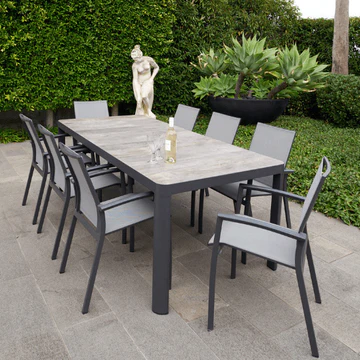
Can you recommend outdoor furniture brands known for durability and style?
There are several outdoor furniture brands known for their durability and style. Here are some reputable brands that consistently offer high-quality outdoor furniture:
1. Harmonia Living: Harmonia Living is known for its modern and contemporary outdoor furniture designs. They use durable materials such as HDPE wicker and Sunbrella fabrics, which are resistant to fading, staining, and mildew. Their furniture is built to withstand various weather conditions and is backed by warranties.
2. Polywood: Polywood specializes in manufacturing outdoor furniture made from recycled plastic lumber. Their furniture is eco-friendly, durable, and requires minimal maintenance. Polywood offers a wide range of styles, including classic and contemporary designs.
3. Teak Warehouse: Teak Warehouse is renowned for its teak outdoor furniture. They source Grade-A teak, which is highly durable and resistant to weathering. Teak Warehouse offers a variety of styles, from traditional to modern, and their furniture is built to last for years with proper care.
4. Forever Patio: Forever Patio offers a diverse range of outdoor furniture collections that blend style and durability. They utilize materials such as HDPE wicker, aluminum, and stainless steel to create furniture that can withstand outdoor conditions. Their furniture is known for its comfort and elegant designs.
5. Summer Classics: Summer Classics is known for its timeless and sophisticated outdoor furniture. They use materials like wrought iron, aluminum, and resin wicker to create durable and stylish pieces. Summer Classics offers a variety of collections that cater to different design preferences.
6. Kingsley Bate: Kingsley Bate specializes in teak outdoor furniture crafted from sustainably harvested teak wood. Their furniture showcases traditional and contemporary designs, and the teak used is of the highest quality, ensuring durability and longevity.
7. Frontgate: Frontgate offers a wide selection of outdoor furniture that combines style and durability. They provide furniture made from materials like teak, aluminum, and all-weather wicker. Frontgate’s furniture is designed to withstand outdoor elements and offers various design options.
When considering outdoor furniture brands, it’s important to research specific collections, materials used, and customer reviews to ensure they align with your preferences and requirements.
Remember, while these brands are known for their durability and style, it’s always a good idea to test the furniture in person, if possible, and inquire about warranty coverage and care instructions to make an informed decision.
editor by CX 2023-11-28
China OEM Leisure Popular Outdoor Garden Patio CHINAMFG Frame Plastic Wood Chairs Dining Furniture Set Outdoor Dining Sets with Hot selling
Product Description
Leisure popular outdoor garden patio aluminum frame plastic wood chairs dining furniture set outdoor dining sets
Product Description
| Brand Name | Beacon |
| Product Name | outdoor dining set |
| Material | Aluminum frame plastic wood |
| Item Number | BP1936 |
| Size | Table:L150xW88xH73, Chair:W57xD58xH89cm |
| Color Available | optional |
| OEM Service | Yes |
| Producing Time | 15-35 days |
| Suitable Place | Garden/Patio/Swimming pool/Balcony/Hotel/etc. |
| MOQ | 20 sets |
Product Pictures
Customers Always Ask:
1. How to make an order?
You can order online by Alibaba, Or Email us your details,
and we will contact you immediately and help you proceed with the orders.
2. Where is your factory?
Our factory is located in HangZhou which is a famous city for producing the furniture.
It’s about 1 and a half hour from HangZhou Xihu (West Lake) Dis. International Airport to our factory.
Welcome to visit our factory any time. We can pick you up at the airport or HangZhou hotels.
3. Can you offer special discounts to the wholesaler or we make big quantity?
Yes, we will give you best support according to your quantity,
and will arrange some promotion products every month.
4. What is your delivery time?
Normally, we can finish 1 order at about 15-20days,
but the exact time depends on different styles and different quantities you order.
5. Can you arrange the shipment by door to door?
We can offer door to door service both by sea and by air, which can save your time and money.
Also, we have cooperated forwarder in some countries and can arrange the customs clearance for you.
6. Do I have to assemble all items by myself or by my customer himself?
Our packing will be 2 different ways according to different products.
Some are used the KD packing, and others need to be assembled,
But it is so easy to assemble with the user manual or video teaching.
7. What’s your warranty?
We normally will provide 1 or 2 years warranties according to different models.
If the product is caused by factory mistakes, We will give you free replacement.
If it was damaged during the shipping or other reasons, we will provide the best solutions for you.
8. What payment do you accept?
Normally we can provide TT, LC, PAYPAL, ESCROW, WESTERN UNION ect.
Any other ideas, please contact us for better support.
Contact
| Contact Person | Lydia |
| Phone | 86~826228246 |
| Web | beaconpeace |
| Add |
Room 101, Building B3, Xihu (West Lake) Dis. Industrial Park, No.3 Luochonggang, Xihu (West Lake) Dis. Road, Xihu (West Lake) Dis. District, HangZhou, China |
| Material: | Aluminum Frame and Plastic Wood |
|---|---|
| Style: | Simple |
| Usage: | Bar, Hotel, Dining Room, Outdoor |
| Folded: | Unfolded |
| Customized: | Non-Customized |
| Condition: | New |
| Customization: |
Available
|
|
|---|
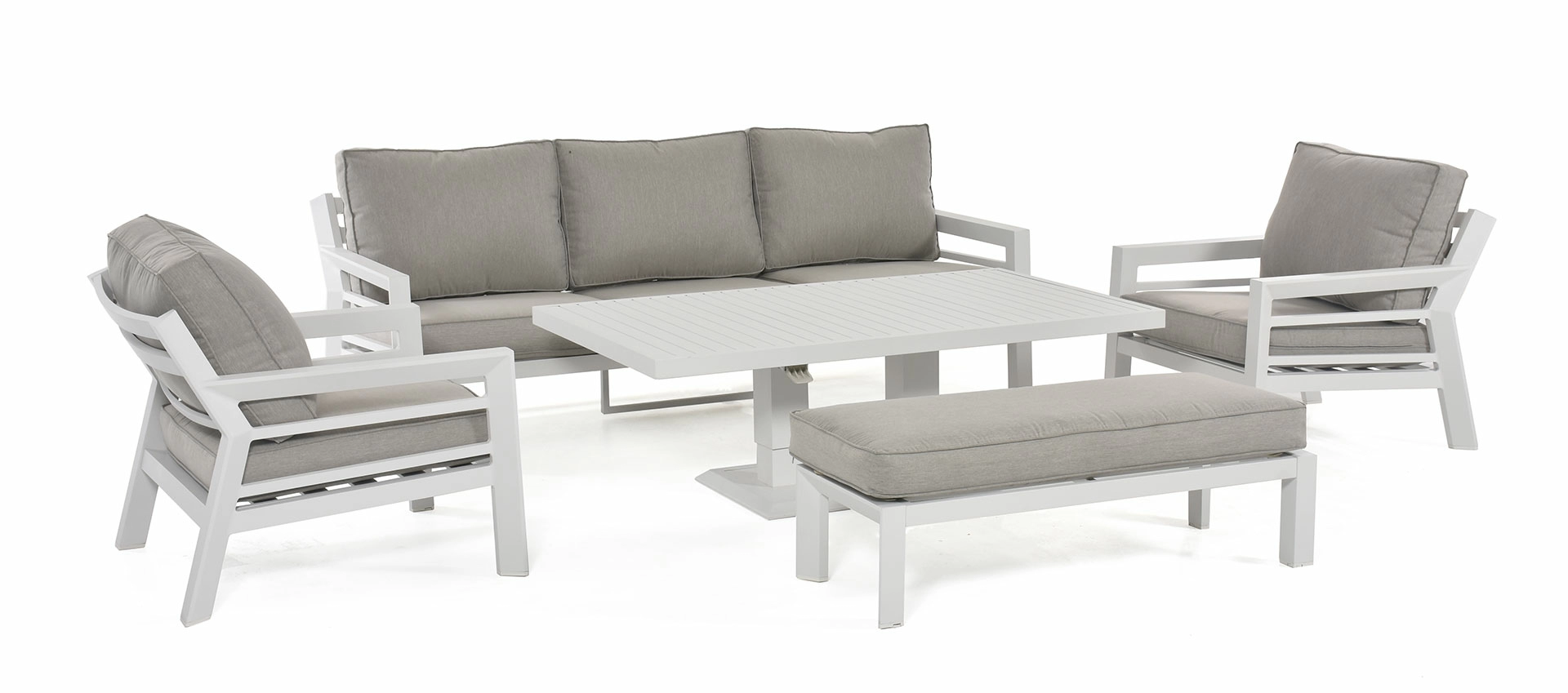
How do I protect my aluminum garden furniture from sun exposure and fading?
To protect your aluminum garden furniture from sun exposure and fading, you can take the following measures:
1. Use Protective Covers:
When your aluminum furniture is not in use, consider covering it with protective covers specifically designed for outdoor furniture. These covers shield the furniture from direct sunlight and help prevent fading. Make sure the covers are properly fitted and secure to withstand wind and other weather conditions.
2. Provide Shade:
If possible, position your furniture in shaded areas of your garden or use umbrellas, awnings, or pergolas to create shade. This will reduce direct exposure to intense sunlight and minimize the risk of fading.
3. Apply Protective Finishes:
Consider applying protective finishes, such as clear coats or sealants, to your aluminum furniture. These finishes can provide an additional layer of protection against UV rays and help maintain the original color of the furniture.
4. Move Furniture to Shaded Areas:
If your furniture is lightweight and portable, you can move it to shaded areas when the sun is at its strongest. This allows you to control the amount of sun exposure your furniture receives and reduce the risk of fading.
5. Clean and Maintain Regularly:
Regular cleaning and maintenance are essential for preserving the appearance of your aluminum furniture. Use a mild detergent and water to clean the furniture, removing any dirt, debris, or stains. Avoid using abrasive cleaners or brushes that may scratch the surface. By keeping your furniture clean, you can prevent dirt buildup that can contribute to fading.
6. Use UV-Protective Fabrics:
If your aluminum furniture has cushions or upholstery, opt for fabrics that offer UV protection. Look for outdoor fabrics specifically designed to resist fading and damage from sunlight. UV-protective fabrics will help prolong the lifespan of your cushions and maintain their vibrant colors.
7. Store Furniture During Long Periods of Non-Use:
If you anticipate long periods of non-use, such as during the winter or when you’re away on vacation, consider storing your aluminum furniture in a covered and dry area to protect it from prolonged sun exposure.
By implementing these protective measures, you can help protect your aluminum garden furniture from sun exposure and fading, ensuring that it remains in good condition and retains its aesthetic appeal for years to come.
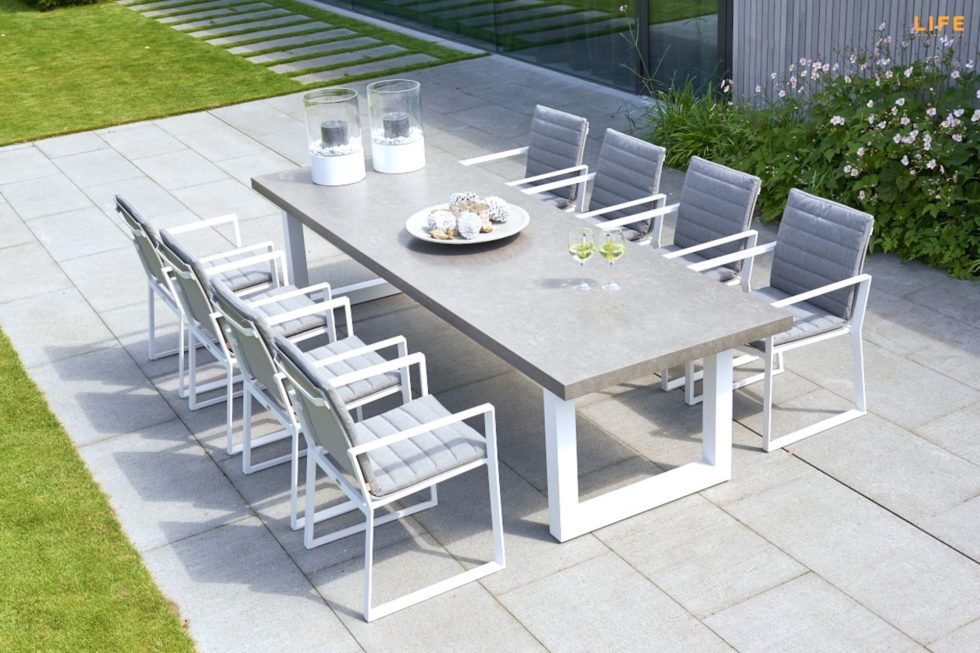
What are the advantages of using powder-coated aluminum for garden furniture frames?
Powder-coated aluminum offers several advantages when used for garden furniture frames. Here are the key benefits:
1. Durability:
Powder coating creates a highly durable finish that can withstand outdoor conditions. The powder coating process involves applying a dry powder to the aluminum surface and then curing it in an oven. This results in a hard and protective layer that resists chipping, scratching, and fading. The durable nature of powder coating ensures that the furniture frames can withstand regular use and exposure to the elements without significant wear or damage.
2. Weather Resistance:
Powder-coated aluminum is highly resistant to weathering. It can withstand exposure to sunlight, rain, humidity, and temperature fluctuations without corroding or deteriorating. The powder coating acts as a barrier that protects the aluminum from moisture, UV rays, and other environmental factors that can cause damage. This makes powder-coated aluminum ideal for outdoor furniture that needs to withstand various weather conditions throughout the year.
3. Color Options:
Powder coating offers a wide range of color options for garden furniture frames. The powder coating process involves using pigmented powders, allowing for customization in terms of color and finish. Whether you prefer vibrant hues or subtle tones, there are numerous color choices available to suit your aesthetic preferences and complement your outdoor decor. Additionally, the color of powder-coated aluminum remains vibrant and fade-resistant over time.
4. Easy Maintenance:
Powder-coated aluminum is relatively low-maintenance compared to other materials. The smooth and non-porous surface of the powder coating makes it easy to clean. Generally, regular cleaning with mild soap and water is sufficient to keep the frames looking their best. The durable finish also helps prevent the accumulation of dirt, stains, and grime, making maintenance tasks easier and less frequent.
5. Eco-Friendly:
Powder coating is an environmentally friendly finishing option. The powder coating process does not involve the use of solvents or emit harmful volatile organic compounds (VOCs) into the air. Additionally, powder coatings are highly efficient, with minimal waste, as any overspray can be collected and reused. This makes powder-coated aluminum a sustainable choice for garden furniture.
Overall, the advantages of using powder-coated aluminum for garden furniture frames include durability, weather resistance, a wide range of color options, easy maintenance, and eco-friendliness. These qualities make powder-coated aluminum an excellent choice for outdoor furniture that can withstand the elements while maintaining its appearance and functionality over time.

Are there eco-friendly or sustainable options for aluminum garden furniture?
Yes, there are eco-friendly and sustainable options available for aluminum garden furniture. When shopping for environmentally conscious choices, consider the following:
1. Recycled Aluminum:
Look for aluminum garden furniture that is made from recycled materials. Using recycled aluminum helps reduce the demand for new raw materials and minimizes the environmental impact of the manufacturing process. Some manufacturers specifically highlight their use of recycled aluminum in their products.
2. Sustainable Manufacturing Practices:
Choose brands or manufacturers that prioritize sustainable manufacturing practices. Look for certifications or labels such as Forest Stewardship Council (FSC), Sustainable Furnishings Council (SFC), or Cradle to Cradle that indicate a commitment to responsible sourcing, energy efficiency, waste reduction, and other sustainable practices.
3. Low-impact Coatings:
Consider aluminum garden furniture that uses low-impact coatings or finishes. Traditional painting and coating processes can involve harmful chemicals and contribute to pollution. Opt for furniture that uses eco-friendly, water-based or powder-coated finishes that have lower environmental impact.
4. Longevity and Durability:
Choose aluminum garden furniture that is built to last. Investing in high-quality, durable furniture reduces the need for frequent replacements, which in turn reduces waste. Look for furniture with solid construction, reinforced joints, and corrosion-resistant features to ensure longevity.
5. End-of-life Considerations:
When selecting aluminum garden furniture, consider how it can be recycled or disposed of responsibly at the end of its life. Look for furniture that is designed for disassembly, making it easier to recycle or repurpose the different components. Some manufacturers may provide recycling programs or guidance on proper disposal.
6. Local and Handcrafted Options:
Support local artisans or craftsmen who create aluminum garden furniture using sustainable practices. Choosing locally made furniture reduces transportation emissions and supports local economies.
7. Second-hand and Vintage:
Consider purchasing second-hand or vintage aluminum garden furniture. This option extends the lifespan of the furniture and reduces the demand for new production. Look for local thrift stores, online marketplaces, or community platforms for pre-owned furniture.
By considering these eco-friendly and sustainable options, you can make more environmentally conscious choices when selecting aluminum garden furniture. Remember to research brands, certifications, and manufacturing processes to ensure that the furniture aligns with your sustainability goals and values.
editor by CX 2023-11-28
China Standard Outdoor Klapptisch Active Folding Table Aluminium Camping Table Garden Furniture for Traveling vacuum pump oil
Product Description
Aluminum Folding Portable Table With Folding Stools For Parties
| Material | Alu.+ MDF table top |
| Tubes |
Dia 22mm/Dia25mm alu. Tubes for table Dia 22mm for stool |
| table size |
120*60*60cm or Customized |
| stool size |
31*31*47cm or Customized |
| stool fabric |
600D polyester with PU coating |
| Packing |
72*25*36cm/3 sets or Customized |
| Weight capacity |
100kgs for stool, 30kgs for table or Customized |
| More related products |
| Our factory |
YangZhou CHINAMFG Outdoor CHINAMFG Equipment Co., Ltd located in YangZhou City, ZheJiang province. One hour speed train from ZheJiang .
We are professional supplier for developing and producing middle-high level outdoor products. Our main products include tents, sleeping bags and garments etc.
Now we are working with some famous brands all over the world.
| Company Certificate |
| Exhibition |
| Packaging & Shipping |
| FAQ |
Q1. What is your terms of packing?
A: Generally, we pack our goods in neutral brown cartons. If you have legally registered patent, we can pack the goods in your branded boxes after getting your authorization letters.
Q2. What is your terms of payment?
A: T/T 30% as deposit, and 70% before Telex Release. We’ll show you the photos of the products and packages before you pay the balance.
Q3. What is your terms of delivery?
A: EXW, FOB
Q4. How about your delivery time?
A: Generally, it will take 10 to 30 days after receiving your advance payment. The specific delivery time depends on the items and the quantity of your order.
Q5. Can you produce according to the samples?
A: Yes, we can produce by your samples or technical drawings. We can build the molds and fixtures.
Q6. What is your sample policy?
A: We can supply the sample if we have ready parts in stock, but the customers have to pay the sample cost and the courier cost.
Q7. Do you test all your goods before delivery?
A: Yes, we have 100% test before delivery
Q8: How do you make our business long-term and good relationship?
1. We keep good quality and competitive price to ensure our customers benefit ;
2. We respect every customer as our friend and we sincerely do business and make friends with them, no matter where they come from.
| Material: | Aluminum Alloy |
|---|---|
| Style: | European |
| Kind: | Camping Table |
| Usage: | Beach, Park, Camping |
| Folded: | Folded |
| Color: | Alu. |
| Samples: |
US$ 80/Piece
1 Piece(Min.Order) | |
|---|
| Customization: |
Available
|
|
|---|
How do I secure my garden furniture to prevent it from tipping over during windy weather?
Securing your garden furniture is important to prevent it from tipping over during windy weather. Here are some methods you can use to secure your furniture:
1. Weighted Bases or Sandbags:
For lightweight furniture such as chairs or small tables, consider using weighted bases or sandbags. These can be placed on the furniture’s legs or base to provide additional stability and prevent tipping. Make sure the weights are securely attached or positioned to avoid any accidents.
2. Anchoring Systems:
For larger furniture pieces or items that are prone to tipping, using anchoring systems can be highly effective. Anchoring kits are available in hardware stores and typically include straps, cables, or brackets that can be attached to the furniture and secured to the ground or a sturdy structure like a wall or deck.
3. Staking or Ground Pegs:
If your garden furniture has legs or supports that can be inserted into the ground, consider using stakes or ground pegs. These can be driven into the soil to provide additional stability and prevent tipping. Ensure that the stakes or pegs are securely anchored and properly inserted into the ground.
4. Windproof Umbrellas and Canopies:
If you have umbrellas or canopies as part of your garden furniture, choose windproof options that are designed to withstand gusty conditions. These typically have sturdy frames, reinforced joints, and vented canopies that allow wind to pass through, reducing the risk of tipping.
5. Storage or Temporary Removal:
During severe or stormy weather, consider storing your garden furniture in a secure, covered area or temporarily removing it from exposed areas. This can prevent damage caused by strong winds and ensure the safety of both the furniture and your surroundings.
6. Regular Inspections:
Regularly inspect your garden furniture for any signs of wear, damage, or loose components. Tighten screws, bolts, or joints as necessary to maintain stability. Replace any damaged parts or repair weak areas promptly to prevent tipping accidents.
7. Positioning and Layout:
When arranging your garden furniture, consider the layout and positioning to minimize the impact of wind. Place taller or heavier furniture pieces against walls or other sturdy structures to provide additional support. Avoid positioning furniture in open, exposed areas where wind gusts are more likely.
8. Weather Alerts and Precautions:
Stay informed about weather conditions in your area and take necessary precautions when severe weather is expected. Bring in or secure your garden furniture well in advance to prevent damage caused by strong winds or storms.
By implementing these measures, you can help secure your garden furniture and minimize the risk of tipping over during windy weather. Remember to assess the specific needs of your furniture and adjust the methods accordingly for optimal stability and safety.
How do I prevent garden furniture from sinking into soft ground or soil?
If you have garden furniture that tends to sink into soft ground or soil, there are several methods you can use to prevent this from happening. Here are some effective ways to keep your garden furniture stable on soft ground:
1. Use Furniture Foot Pads:
One simple solution is to attach foot pads or glides to the bottom of the furniture legs. These pads distribute the weight over a larger surface area, reducing the likelihood of sinking. There are various types of foot pads available, including rubber, plastic, or metal options. Make sure to choose foot pads that are suitable for outdoor use and can withstand moisture and uneven terrain.
2. Install Furniture Leg Bases:
Another option is to install leg bases or platforms underneath the furniture legs. These bases provide a wider surface area for the legs to rest on, reducing the risk of sinking. Leg bases can be made from materials such as plastic, wood, or metal. Ensure that the bases are securely attached to the furniture legs to provide stability.
3. Use Furniture Anchors:
Furniture anchors are devices designed to secure outdoor furniture to the ground. They are particularly useful for larger or heavier furniture pieces. Anchors typically consist of stakes or screws that are driven into the ground and attached to the furniture frame or legs using straps or cables. These anchors help prevent furniture from tipping over or sinking into soft ground.
4. Place a Solid Base:
If you have a specific area in your garden where you frequently place your furniture, consider creating a solid base for it. This can be done by installing a patio or deck made from materials like concrete, stone, or wood. A solid base provides a stable and level surface for your furniture, preventing sinking or tilting. Additionally, it offers a defined seating area and enhances the overall aesthetics of your outdoor space.
5. Use Furniture Pavers or Tiles:
Another option is to place furniture pavers or tiles underneath the furniture legs. These flat and stable surfaces help distribute the weight and prevent sinking. Pavers or tiles made from materials like concrete, stone, or rubber can be placed directly on the ground or on a layer of gravel or sand for added stability.
6. Regularly Inspect and Adjust:
It’s important to regularly inspect your garden furniture and adjust its position as needed. Over time, the ground may shift or become softer due to weather conditions. By monitoring the stability of your furniture and making necessary adjustments, you can prevent sinking and ensure its longevity.
Implementing these preventive measures will help keep your garden furniture stable and secure, even on soft ground or soil. Choose the method that best suits your furniture and the specific conditions of your outdoor space.

How do I choose the right garden furniture set for my outdoor space?
Choosing the right garden furniture set for your outdoor space involves considering several factors such as space availability, functionality, style, and budget. Here are some steps to help you make the right decision:
1. Assess Your Outdoor Space:
Start by evaluating the available space in your outdoor area. Measure the dimensions and consider any specific features or limitations, such as uneven terrain or existing structures. This will help you determine the appropriate size and layout for your furniture set.
2. Define Your Purpose:
Consider how you plan to use your outdoor space. Do you want a dining area for hosting meals, a cozy seating area for relaxation, or a combination of both? Defining your purpose will guide your choices in terms of the type of furniture set you need.
3. Consider Durability and Weather Resistance:
Since garden furniture is exposed to outdoor elements, choose materials that are durable and weather-resistant. Look for options such as teak, aluminum, or synthetic wicker that can withstand various weather conditions without deteriorating.
4. Evaluate Comfort and Ergonomics:
Comfort is key when selecting garden furniture. Test the seating options to ensure they provide adequate support and cushioning. Consider ergonomic features such as adjustable backrests or armrests for added comfort.
5. Match Your Style and Aesthetic:
Choose a furniture set that complements your outdoor space and reflects your personal style. Consider the overall aesthetic, whether it’s modern, rustic, or traditional. Look for furniture sets that align with your chosen theme and color palette.
6. Opt for Low-Maintenance Options:
Consider the level of maintenance required for the furniture set. Some materials, like teak or aluminum, require minimal upkeep, while others may need regular cleaning or refinishing. Assess your willingness and ability to maintain the furniture set over time.
7. Test Quality and Construction:
Inspect the quality and construction of the furniture set before making a purchase. Check for sturdy frames, secure joints, and durable finishes. Sit on the chairs and test the stability. Quality craftsmanship will ensure the longevity of your furniture set.
8. Set a Realistic Budget:
Establish a budget for your garden furniture set and stick to it. Consider the long-term investment and choose a set that offers good value for your money. Balance cost with quality and durability to make an informed decision.
9. Read Reviews and Seek Recommendations:
Before finalizing your choice, read customer reviews and seek recommendations from friends or family who have purchased similar furniture sets. Their experiences can provide valuable insights and help you make an informed decision.
By following these steps and considering your specific needs and preferences, you can choose the right garden furniture set that enhances your outdoor space and provides a comfortable and enjoyable environment for relaxation or entertainment.
editor by CX 2023-11-28
China Professional Engine Air Compressor Assembly 3696936 for CHINAMFG Truck Parts 12v air compressor
Product Description
Engine Air Compressor Assembly 3696936 for CHINAMFG Truck Parts
Product Advantage and Feature
(1) Matching parts of the truck, the product quality is stable and reliable.
(2) The machining center processing.
(3) Self inspection, patrol inspection and completion inspection to ensure 1
| VG157130001 | 202V54100-7131 | 5801541000 |
| Truck Model | Sinotruk, Shacman, CHINAMFG Auman, CHINAMFG Xihu (West Lake) Dis., Xihu (West Lake) Dis.feng, Xihu (West Lake) Dis.feng Liuqi Balong, North BENZ( BEIBEN), C&C, JAC, etc. | |
| Product catalogue | Axle | Wheel Assembly |
| Differential Assembly | ||
| Main Reducer Assembly | ||
| Inner Ring Gear& Bracket | ||
| Basin Angle Gear/ Bevel Gear | ||
| Axle Shaft/ Half Shaft & Through Shaft | ||
| Axle Housing& Axle Assembly | ||
| Steering knuckle & Front Axle | ||
| Gear | ||
| Brake Drum& Wheel Hub | ||
| Flange | ||
| Bearing | ||
| Main Reducer Housing | ||
| Oil Seal Seat | ||
| Nut& Shim Series | ||
| Brake Backing Plate | ||
| Chassis Support Products | Leaf Spring Bracket | |
| Drop Arm Series | ||
| Bracket Series | ||
| Leaf Spring Shackle Series | ||
| Balanced Suspension Series | Balance Shaft Assembly | |
| Balance Shaft Housing | ||
| Axle Spring Seat | ||
| Thrust Rod | ||
| Balance Shaft Parts | ||
| Shock Absorber Series | Shock Absorber | |
| Shock Absorbing Airbag | ||
| Steering System | Power Steering Pump | |
| Power Steering Gear | ||
| Rubber Products | Oil Seal | |
| Rubber Support | ||
| Thrust Rod Rubber Core | ||
| Truck Belt | ||
| Engine support | ||
| Other | ||
| Clutch Series | Clutch Pressure Plate | |
| Clutch Disc | ||
| Flywheel Assembly | ||
| Flywheel Ring Gear | ||
| Adjusting Arm Series | ||
Packing & Shipping
Certifications
FAQ
Q1. What is your major export markets?
At present, our major export markets is Southeast Asia, Middle East, Africa, South America, Russia and Europe.
Q2. What is your terms of packing?
We have branded packaging and neutral packaging, and we can also do what you want with authorization. This is flexible.
Q3. How about your delivery time?
Generally, it will take 3 to 10 days after receiving your advance payment. The specific delivery time depends on the items and the quantity of your order.
Q4. What is your terms of packing?
Generally, we pack you goods use factory packing box or neutral boxes.
Q5. How can I accurately buy the products I need?
We need accurate product number, If you can’t provide product number, you can send us your product picture, or tell us your truck model, engine name plate, and so on. we will
determine exactly what you need products.
| Certification: | SGS |
|---|---|
| Standard Component: | Standard Component |
| Technics: | Casting |
| Samples: |
US$ 66/Piece
1 Piece(Min.Order) | Order Sample |
|---|
| Customization: |
Available
|
|
|---|
.shipping-cost-tm .tm-status-off{background: none;padding:0;color: #1470cc}
| Shipping Cost:
Estimated freight per unit. |
about shipping cost and estimated delivery time. |
|---|
| Payment Method: |
|
|---|---|
|
Initial Payment Full Payment |
| Currency: | US$ |
|---|
| Return&refunds: | You can apply for a refund up to 30 days after receipt of the products. |
|---|
Can air compressors be used for shipbuilding and maritime applications?
Air compressors are widely used in shipbuilding and maritime applications for a variety of tasks and operations. The maritime industry relies on compressed air for numerous essential functions. Here’s an overview of how air compressors are employed in shipbuilding and maritime applications:
1. Pneumatic Tools and Equipment:
Air compressors are extensively used to power pneumatic tools and equipment in shipbuilding and maritime operations. Pneumatic tools such as impact wrenches, drills, grinders, sanders, and chipping hammers require compressed air to function. The versatility and power provided by compressed air make it an ideal energy source for heavy-duty tasks, maintenance, and construction activities in shipyards and onboard vessels.
2. Painting and Surface Preparation:
Air compressors play a crucial role in painting and surface preparation during shipbuilding and maintenance. Compressed air is used to power air spray guns, sandblasting equipment, and other surface preparation tools. Compressed air provides the force necessary for efficient and uniform application of paints, coatings, and protective finishes, ensuring the durability and aesthetics of ship surfaces.
3. Pneumatic Actuation and Controls:
Air compressors are employed in pneumatic actuation and control systems onboard ships. Compressed air is used to operate pneumatic valves, actuators, and control devices that regulate the flow of fluids, control propulsion systems, and manage various shipboard processes. Pneumatic control systems offer reliability and safety advantages in maritime applications.
4. Air Start Systems:
In large marine engines, air compressors are used in air start systems. Compressed air is utilized to initiate the combustion process in the engine cylinders. The compressed air is injected into the cylinders to turn the engine’s crankshaft, enabling the ignition of fuel and starting the engine. Air start systems are commonly found in ship propulsion systems and power generation plants onboard vessels.
5. Pneumatic Conveying and Material Handling:
In shipbuilding and maritime operations, compressed air is used for pneumatic conveying and material handling. Compressed air is utilized to transport bulk materials, such as cement, sand, and grain, through pipelines or hoses. Pneumatic conveying systems enable efficient and controlled transfer of materials, facilitating construction, cargo loading, and unloading processes.
6. Air Conditioning and Ventilation:
Air compressors are involved in air conditioning and ventilation systems onboard ships. Compressed air powers air conditioning units, ventilation fans, and blowers, ensuring proper air circulation, cooling, and temperature control in various ship compartments, cabins, and machinery spaces. Compressed air-driven systems contribute to the comfort, safety, and operational efficiency of maritime environments.
These are just a few examples of how air compressors are utilized in shipbuilding and maritime applications. Compressed air’s versatility, reliability, and convenience make it an indispensable energy source for various tasks and systems in the maritime industry.
.webp)
What is the impact of altitude on air compressor performance?
The altitude at which an air compressor operates can have a significant impact on its performance. Here are the key factors affected by altitude:
1. Decreased Air Density:
As altitude increases, the air density decreases. This means there is less oxygen available per unit volume of air. Since air compressors rely on the intake of atmospheric air for compression, the reduced air density at higher altitudes can lead to a decrease in compressor performance.
2. Reduced Airflow:
The decrease in air density at higher altitudes results in reduced airflow. This can affect the cooling capacity of the compressor, as lower airflow hampers the dissipation of heat generated during compression. Inadequate cooling can lead to increased operating temperatures and potential overheating of the compressor.
3. Decreased Power Output:
Lower air density at higher altitudes also affects the power output of the compressor. The reduced oxygen content in the air can result in incomplete combustion, leading to decreased power generation. As a result, the compressor may deliver lower airflow and pressure than its rated capacity.
4. Extended Compression Cycle:
At higher altitudes, the air compressor needs to work harder to compress the thinner air. This can lead to an extended compression cycle, as the compressor may require more time to reach the desired pressure levels. The longer compression cycle can affect the overall efficiency and productivity of the compressor.
5. Pressure Adjustments:
When operating an air compressor at higher altitudes, it may be necessary to adjust the pressure settings. As the ambient air pressure decreases with altitude, the compressor’s pressure gauge may need to be recalibrated to maintain the desired pressure output. Failing to make these adjustments can result in underinflated tires, improper tool performance, or other issues.
6. Compressor Design:
Some air compressors are specifically designed to handle higher altitudes. These models may incorporate features such as larger intake filters, more robust cooling systems, and adjusted compression ratios to compensate for the reduced air density and maintain optimal performance.
7. Maintenance Considerations:
Operating an air compressor at higher altitudes may require additional maintenance and monitoring. It is important to regularly check and clean the intake filters to ensure proper airflow. Monitoring the compressor’s operating temperature and making any necessary adjustments or repairs is also crucial to prevent overheating and maintain efficient performance.
When using an air compressor at higher altitudes, it is advisable to consult the manufacturer’s guidelines and recommendations specific to altitude operations. Following these guidelines and considering the impact of altitude on air compressor performance will help ensure safe and efficient operation.
.webp)
How do oil-lubricated and oil-free air compressors differ?
Oil-lubricated and oil-free air compressors differ in terms of their lubrication systems and the presence of oil in their operation. Here are the key differences:
Oil-Lubricated Air Compressors:
1. Lubrication: Oil-lubricated air compressors use oil for lubricating the moving parts, such as pistons, cylinders, and bearings. The oil forms a protective film that reduces friction and wear, enhancing the compressor’s efficiency and lifespan.
2. Performance: Oil-lubricated compressors are known for their smooth and quiet operation. The oil lubrication helps reduce noise levels and vibration, resulting in a more comfortable working environment.
3. Maintenance: These compressors require regular oil changes and maintenance to ensure the proper functioning of the lubrication system. The oil filter may need replacement, and the oil level should be regularly checked and topped up.
4. Applications: Oil-lubricated compressors are commonly used in applications that demand high air quality and continuous operation, such as industrial settings, workshops, and manufacturing facilities.
Oil-Free Air Compressors:
1. Lubrication: Oil-free air compressors do not use oil for lubrication. Instead, they utilize alternative materials, such as specialized coatings, self-lubricating materials, or water-based lubricants, to reduce friction and wear.
2. Performance: Oil-free compressors generally have a higher airflow capacity, making them suitable for applications where a large volume of compressed air is required. However, they may produce slightly more noise and vibration compared to oil-lubricated compressors.
3. Maintenance: Oil-free compressors typically require less maintenance compared to oil-lubricated ones. They do not need regular oil changes or oil filter replacements. However, it is still important to perform routine maintenance tasks such as air filter cleaning or replacement.
4. Applications: Oil-free compressors are commonly used in applications where air quality is crucial, such as medical and dental facilities, laboratories, electronics manufacturing, and painting applications. They are also favored for portable and consumer-grade compressors.
When selecting between oil-lubricated and oil-free air compressors, consider the specific requirements of your application, including air quality, noise levels, maintenance needs, and expected usage. It’s important to follow the manufacturer’s recommendations for maintenance and lubrication to ensure the optimal performance and longevity of the air compressor.
editor by CX 2023-11-28
China Standard 4.8cubic Meter High Pressure Air Compressor for Blow Molding Machine lowes air compressor
Product Description
4.8cubic Meter High Pressure Air Compressor for Blow Molding Machine
| Model | 34CSH-1830 2-34CSH-1830 3-34CSH-1830 4- 34CSH-1830 |
| Air discharge | 4.8m³/min |
| Pressure | 3.0Mpa |
| Motor power | 3*18.5KW |
| Tank | No |
| Running speed | 730r.p.m |
| Weight | 2300kg |
| Package | 4200*1200*2000(mm) |
We have a variety of models of air compressors for use with blow molding machines, high-end brands, stable quality, long service life, high market share, and are favored by customers.
Main Future
1.Heavy cast iron body,heavy load,long stroke,low fuel consumption,Low noise
2.Cylinder:Made of high-grade cast iron,strength,good lubiricity,wall by the fine honing,
3.Piston ring:good elasticity,excellent wear resistance,low oild consumption.not easy to make the valve group carbon deposition and loss of oil to burn the crankshaft and connecting rod.
4.The crankshaft,connecting rod,piston,well balanced,wear resistance,high strength,smooth running balance
5.High reliable and durable valve,strong aluminum alloy body,light and heat.
6.The motor provides reliable power,low voltage start up and running performance strong fan cooled motor and body.
7.Double Nozzles,were used to direct the exaust,pressure switch with push button,safe and convienient.
| Type: | Screw |
|---|---|
| Configuration: | Stationary |
| Power Source: | AC Power |
| Lubrication Style: | Lubricated |
| Mute: | Not Mute |
| Application: | Low Back Pressure Type |
| Customization: |
Available
|
|
|---|
How are air compressors employed in the petrochemical industry?
Air compressors play a vital role in the petrochemical industry, where they are employed for various applications that require compressed air. The petrochemical industry encompasses the production of chemicals and products derived from petroleum and natural gas. Here’s an overview of how air compressors are utilized in the petrochemical industry:
1. Instrumentation and Control Systems:
Air compressors are used to power pneumatic instrumentation and control systems in petrochemical plants. These systems rely on compressed air to operate control valves, actuators, and other pneumatic devices that regulate processes such as flow control, pressure control, and temperature control. Compressed air provides a reliable and clean source of energy for these critical control mechanisms.
2. Pneumatic Tools and Equipment:
Petrochemical plants often utilize pneumatic tools and equipment for various tasks such as maintenance, repair, and construction activities. Air compressors supply the necessary compressed air to power these tools, including pneumatic drills, impact wrenches, grinders, sanders, and painting equipment. The versatility and convenience of compressed air make it an ideal energy source for a wide range of pneumatic tools used in the industry.
3. Process Air and Gas Supply:
Petrochemical processes often require a supply of compressed air and gases for specific applications. Air compressors are employed to generate compressed air for processes such as oxidation, combustion, and aeration. They may also be used to compress gases like nitrogen, hydrogen, and oxygen, which are utilized in various petrochemical reactions and treatment processes.
4. Cooling and Ventilation:
Petrochemical plants require adequate cooling and ventilation systems to maintain optimal operating conditions and ensure the safety of personnel. Air compressors are used to power cooling fans, blowers, and air circulation systems that help maintain the desired temperature, remove heat generated by equipment, and provide ventilation in critical areas.
5. Nitrogen Generation:
Nitrogen is widely used in the petrochemical industry for applications such as blanketing, purging, and inerting. Air compressors are utilized in nitrogen generation systems, where they compress atmospheric air, which is then passed through a nitrogen separation process to produce high-purity nitrogen gas. This nitrogen is used for various purposes, including preventing the formation of explosive mixtures, protecting sensitive equipment, and maintaining the integrity of stored products.
6. Instrument Air:
Instrument air is essential for operating pneumatic instruments, analyzers, and control devices throughout the petrochemical plant. Air compressors supply compressed air that is treated and conditioned to meet the stringent requirements of instrument air quality standards. Instrument air is used for tasks such as pneumatic conveying, pneumatic actuators, and calibration of instruments.
By employing air compressors in the petrochemical industry, operators can ensure reliable and efficient operation of pneumatic systems, power various tools and equipment, support critical processes, and maintain safe and controlled environments.
What is the impact of altitude on air compressor performance?
The altitude at which an air compressor operates can have a significant impact on its performance. Here are the key factors affected by altitude:
1. Decreased Air Density:
As altitude increases, the air density decreases. This means there is less oxygen available per unit volume of air. Since air compressors rely on the intake of atmospheric air for compression, the reduced air density at higher altitudes can lead to a decrease in compressor performance.
2. Reduced Airflow:
The decrease in air density at higher altitudes results in reduced airflow. This can affect the cooling capacity of the compressor, as lower airflow hampers the dissipation of heat generated during compression. Inadequate cooling can lead to increased operating temperatures and potential overheating of the compressor.
3. Decreased Power Output:
Lower air density at higher altitudes also affects the power output of the compressor. The reduced oxygen content in the air can result in incomplete combustion, leading to decreased power generation. As a result, the compressor may deliver lower airflow and pressure than its rated capacity.
4. Extended Compression Cycle:
At higher altitudes, the air compressor needs to work harder to compress the thinner air. This can lead to an extended compression cycle, as the compressor may require more time to reach the desired pressure levels. The longer compression cycle can affect the overall efficiency and productivity of the compressor.
5. Pressure Adjustments:
When operating an air compressor at higher altitudes, it may be necessary to adjust the pressure settings. As the ambient air pressure decreases with altitude, the compressor’s pressure gauge may need to be recalibrated to maintain the desired pressure output. Failing to make these adjustments can result in underinflated tires, improper tool performance, or other issues.
6. Compressor Design:
Some air compressors are specifically designed to handle higher altitudes. These models may incorporate features such as larger intake filters, more robust cooling systems, and adjusted compression ratios to compensate for the reduced air density and maintain optimal performance.
7. Maintenance Considerations:
Operating an air compressor at higher altitudes may require additional maintenance and monitoring. It is important to regularly check and clean the intake filters to ensure proper airflow. Monitoring the compressor’s operating temperature and making any necessary adjustments or repairs is also crucial to prevent overheating and maintain efficient performance.
When using an air compressor at higher altitudes, it is advisable to consult the manufacturer’s guidelines and recommendations specific to altitude operations. Following these guidelines and considering the impact of altitude on air compressor performance will help ensure safe and efficient operation.
How do oil-lubricated and oil-free air compressors differ?
Oil-lubricated and oil-free air compressors differ in terms of their lubrication systems and the presence of oil in their operation. Here are the key differences:
Oil-Lubricated Air Compressors:
1. Lubrication: Oil-lubricated air compressors use oil for lubricating the moving parts, such as pistons, cylinders, and bearings. The oil forms a protective film that reduces friction and wear, enhancing the compressor’s efficiency and lifespan.
2. Performance: Oil-lubricated compressors are known for their smooth and quiet operation. The oil lubrication helps reduce noise levels and vibration, resulting in a more comfortable working environment.
3. Maintenance: These compressors require regular oil changes and maintenance to ensure the proper functioning of the lubrication system. The oil filter may need replacement, and the oil level should be regularly checked and topped up.
4. Applications: Oil-lubricated compressors are commonly used in applications that demand high air quality and continuous operation, such as industrial settings, workshops, and manufacturing facilities.
Oil-Free Air Compressors:
1. Lubrication: Oil-free air compressors do not use oil for lubrication. Instead, they utilize alternative materials, such as specialized coatings, self-lubricating materials, or water-based lubricants, to reduce friction and wear.
2. Performance: Oil-free compressors generally have a higher airflow capacity, making them suitable for applications where a large volume of compressed air is required. However, they may produce slightly more noise and vibration compared to oil-lubricated compressors.
3. Maintenance: Oil-free compressors typically require less maintenance compared to oil-lubricated ones. They do not need regular oil changes or oil filter replacements. However, it is still important to perform routine maintenance tasks such as air filter cleaning or replacement.
4. Applications: Oil-free compressors are commonly used in applications where air quality is crucial, such as medical and dental facilities, laboratories, electronics manufacturing, and painting applications. They are also favored for portable and consumer-grade compressors.
When selecting between oil-lubricated and oil-free air compressors, consider the specific requirements of your application, including air quality, noise levels, maintenance needs, and expected usage. It’s important to follow the manufacturer’s recommendations for maintenance and lubrication to ensure the optimal performance and longevity of the air compressor.
editor by CX 2023-11-27
China OEM Small Belt Driven 7.5kw Air Compressor Rotary Screw air compressor CHINAMFG freight
Product Description
Small Belt Driven 7.5Kw Air Compressor Rotary Screw
Product Description
The electric screw air compressor is equiped with 1 7.5kw electric motor with free air delivery of 0.8-1.2m3/min at the pressure of 7-12 bar. It is applicated for industy of Machinery , Chemical , Electric Power, Cement, Furniture, Construction Material…This range of compressor is equiped with name brand airend(screw) ,centrifugal cooling fan and touch screen controller, with direct drive, dust proof, sound proof design. VSD type is also available for this model , it can save energy of 30-35% , it can save more cost for enprise owner.
| Technical Specifications | |||
| Airend | Working pressure | Bar | 7-12 |
| Free air delivery | m3/min | 0.8-1.2 | |
| Compression stage | 1 | ||
| Electric motor | Power | KW | 7.5 |
| Working voltage | V/HZ | 380/50 or Customized | |
| Insulation | F | ||
| Protection grade | IP54 | ||
| Energy Grade | IE2 | ||
| Starter | Direct | ||
| Whole compressor | Driven | Direct | |
| Separator capacity | L | 7 | |
| Lubrication capacity | L | 6 | |
| Cooling method | Air or Water | ||
| Outlet | G3/4 | ||
| Dimension | mm | 890*560*840 | |
| Weight | kg | 400 | |
Product Details
Ceritifications
Company Information
Windbell Co. Ltd. was established in 2006. It is a high-tech company mainly producing Screw Air Compressor.Located in HangZhou National High and New Technology Industries Development Zone, the company has more than 100 employees equipped with 50 advanced testing machines working in the plant area of 20000 square meter. A high profile R&D team with experience in developing products with GHH and Rotor, has more than 20 patents granted. The company can produce more than 4000 Air Compressor every year.
We believe that without an advanced quality management system you cannot make high quality products. With ISO9001 and ISO14001 certifications, the company aims to be a CHINAMFG in offering consumers efficient, energy-saving, and environment-friendly solutions in the application of air compressor. Based on its R&D output, the company has successfully applied its solutions to the field of mining, tunneling, outdoor construction and its technology also facilitates the production of medical oxygen generators and textile equipment. The Screw Air Compressor are widely sold to Southeast Asia, Central Asia, Middle East, Africa, and South America…
FAQ
Q1: Why customer choose us?
A: CHINAMFG MACHINERY CO., LTD., with 13 years old history, we are specialized in Screw Air Compressor. We warmly welcome your small trial order for quality or market test.
Q2: Are you a manufacturer or trading company?
A: We are professional manufacturer with big modern factory in HangZhou,China. Both OEM & ODM service can be accepted.Pls CheckOur Company Profile.
Q3: What’s your delivery time?
A: Generally 15 to 20 days, if urgently order, pls contact our sales in advance.
Q4: How long is your air compressor warranty?
A: One year for the whole machine and 2 years for screw air end, except consumble spare parts.
Q5: How long could your air compressor be used?
A: Generally, more than 10 years.
Q6: What’s payment term?
A: T/T, L/C, Western Union, Credit Card, and etc. Also we could accept USD, RMB, Euro and other currency.
Q7: How about your customer service?
A: 24 hours on-line service available. 48hours problem sovled promise.
Q8: How about your after-sales service?
A: 1. Provide customers with intallation and commissioning online instructions.
2. Well-trained engineers available to overseas service.
| Lubrication Style: | Lubricated |
|---|---|
| Cooling System: | Water Cooling |
| Power Source: | AC Power |
| Structure Type: | Closed Type |
| Installation Type: | Stationary Type |
| Type: | Twin-Screw Compressor |
| Customization: |
Available
|
|
|---|
How are air compressors utilized in the aerospace industry?
Air compressors play a crucial role in various applications within the aerospace industry. They are utilized for a wide range of tasks that require compressed air or gas. Here are some key uses of air compressors in the aerospace industry:
1. Aircraft Systems:
Air compressors are used in aircraft systems to provide compressed air for various functions. They supply compressed air for pneumatic systems, such as landing gear operation, braking systems, wing flap control, and flight control surfaces. Compressed air is also utilized for starting aircraft engines and for cabin pressurization and air conditioning systems.
2. Ground Support Equipment:
Air compressors are employed in ground support equipment used in the aerospace industry. They provide compressed air for tasks such as inflating aircraft tires, operating pneumatic tools for maintenance and repair, and powering air-driven systems for fueling, lubrication, and hydraulic operations.
3. Component Testing:
Air compressors are utilized in component testing within the aerospace industry. They supply compressed air for testing and calibrating various aircraft components, such as valves, actuators, pressure sensors, pneumatic switches, and control systems. Compressed air is used to simulate operating conditions and evaluate the performance and reliability of these components.
4. Airborne Systems:
In certain aircraft, air compressors are employed for specific airborne systems. For example, in military aircraft, air compressors are used for air-to-air refueling systems, where compressed air is utilized to transfer fuel between aircraft in mid-air. Compressed air is also employed in aircraft de-icing systems, where it is used to inflate inflatable de-icing boots on the wing surfaces to remove ice accumulation during flight.
5. Environmental Control Systems:
Air compressors play a critical role in the environmental control systems of aircraft. They supply compressed air for air conditioning, ventilation, and pressurization systems, ensuring a comfortable and controlled environment inside the aircraft cabin. Compressed air is used to cool and circulate air, maintain desired cabin pressure, and control humidity levels.
6. Engine Testing:
In the aerospace industry, air compressors are utilized for engine testing purposes. They provide compressed air for engine test cells, where aircraft engines are tested for performance, efficiency, and durability. Compressed air is used to simulate different operating conditions and loads on the engine, allowing engineers to assess its performance and make necessary adjustments or improvements.
7. Oxygen Systems:
In aircraft, air compressors are involved in the production of medical-grade oxygen for onboard oxygen systems. Compressed air is passed through molecular sieve beds or other oxygen concentrator systems to separate oxygen from other components of air. The generated oxygen is then supplied to the onboard oxygen systems, ensuring a sufficient and continuous supply of breathable oxygen for passengers and crew at high altitudes.
It is important to note that air compressors used in the aerospace industry must meet stringent quality and safety standards. They need to be reliable, efficient, and capable of operating under demanding conditions to ensure the safety and performance of aircraft systems.
.webp)
What is the energy efficiency of modern air compressors?
The energy efficiency of modern air compressors has significantly improved due to advancements in technology and design. Here’s an in-depth look at the energy efficiency features and factors that contribute to the efficiency of modern air compressors:
Variable Speed Drive (VSD) Technology:
Many modern air compressors utilize Variable Speed Drive (VSD) technology, also known as Variable Frequency Drive (VFD). This technology allows the compressor motor to adjust its speed according to the compressed air demand. By matching the motor speed to the required airflow, VSD compressors can avoid excessive energy consumption during periods of low demand, resulting in significant energy savings compared to fixed-speed compressors.
Air Leakage Reduction:
Air leakage is a common issue in compressed air systems and can lead to substantial energy waste. Modern air compressors often feature improved sealing and advanced control systems to minimize air leaks. By reducing air leakage, the compressor can maintain optimal pressure levels more efficiently, resulting in energy savings.
Efficient Motor Design:
The motor of an air compressor plays a crucial role in its energy efficiency. Modern compressors incorporate high-efficiency electric motors that meet or exceed established energy efficiency standards. These motors are designed to minimize energy losses and operate more efficiently, reducing overall power consumption.
Optimized Control Systems:
Advanced control systems are integrated into modern air compressors to optimize their performance and energy consumption. These control systems monitor various parameters, such as air pressure, temperature, and airflow, and adjust compressor operation accordingly. By precisely controlling the compressor’s output to match the demand, these systems ensure efficient and energy-saving operation.
Air Storage and Distribution:
Efficient air storage and distribution systems are essential for minimizing energy losses in compressed air systems. Modern air compressors often include properly sized and insulated air storage tanks and well-designed piping systems that reduce pressure drops and minimize heat transfer. These measures help to maintain a consistent and efficient supply of compressed air throughout the system, reducing energy waste.
Energy Management and Monitoring:
Some modern air compressors feature energy management and monitoring systems that provide real-time data on energy consumption and performance. These systems allow operators to identify energy inefficiencies, optimize compressor settings, and implement energy-saving practices.
It’s important to note that the energy efficiency of an air compressor also depends on factors such as the specific model, size, and application. Manufacturers often provide energy efficiency ratings or specifications for their compressors, which can help in comparing different models and selecting the most efficient option for a particular application.
Overall, modern air compressors incorporate various energy-saving technologies and design elements to enhance their efficiency. Investing in an energy-efficient air compressor not only reduces operational costs but also contributes to sustainability efforts by minimizing energy consumption and reducing carbon emissions.
How is air pressure measured in air compressors?
Air pressure in air compressors is typically measured using one of two common units: pounds per square inch (PSI) or bar. Here’s a brief explanation of how air pressure is measured in air compressors:
1. Pounds per Square Inch (PSI): PSI is the most widely used unit of pressure measurement in air compressors, especially in North America. It represents the force exerted by one pound of force over an area of one square inch. Air pressure gauges on air compressors often display pressure readings in PSI, allowing users to monitor and adjust the pressure accordingly.
2. Bar: Bar is another unit of pressure commonly used in air compressors, particularly in Europe and many other parts of the world. It is a metric unit of pressure equal to 100,000 pascals (Pa). Air compressors may have pressure gauges that display readings in bar, providing an alternative measurement option for users in those regions.
To measure air pressure in an air compressor, a pressure gauge is typically installed on the compressor’s outlet or receiver tank. The gauge is designed to measure the force exerted by the compressed air and display the reading in the specified unit, such as PSI or bar.
It’s important to note that the air pressure indicated on the gauge represents the pressure at a specific point in the air compressor system, typically at the outlet or tank. The actual pressure experienced at the point of use may vary due to factors such as pressure drop in the air lines or restrictions caused by fittings and tools.
When using an air compressor, it is essential to set the pressure to the appropriate level required for the specific application. Different tools and equipment have different pressure requirements, and exceeding the recommended pressure can lead to damage or unsafe operation. Most air compressors allow users to adjust the pressure output using a pressure regulator or similar control mechanism.
Regular monitoring of the air pressure in an air compressor is crucial to ensure optimal performance, efficiency, and safe operation. By understanding the units of measurement and using pressure gauges appropriately, users can maintain the desired air pressure levels in their air compressor systems.
editor by CX 2023-11-27