Product Description
Mining diesel piston air compressor W3.2/7 25HP reciprocating compressor
Mainly used in mining, construction sites, supporting DTH drilling rig, rock drill, spraying machine. Portable W3.2/7 mining used air compressor with jack hammer price Double Air Tank Diesel Portable Best-Selling Engine Oil Piston Air Compressor are mainly used to supply stable and clean compressed air to the pneumatic tools and keep them working smoothly and efficiently.
Product Description
|
Rated Speed:970rpm
|
|||||||||||||||||||||||||||||||||||||||||||||||||||||||
Feature:
1. Value plate and spring strip: made of special steel from Sweden and after special treatment.
2. Piston ring: special design; integral casting; excellent flexibility; lowest lubricating oil consumption.
3.Cylinder: made of boron cast iron; wear resistant; special suitable for dust condition.
4. Cylinder cover:extrusion process adopted; streamlined external appearance; good heat emission performance.
5.Crankshaft: made from ductile cast iron; rare magnesium alloy after heat treatment and surface quenching.
6.Simple structure,light weight, easy to move.
7. Easy operating and maintenance.
Company Profile
Certifications
Packaging & Shipping
FAQ
1.What can you buy from us?
Tunneling Jumbo drilling rig ,DTH drilling rig,Automatic drilling rig with rod changing system,rotary drilling rig,pile driver machine, core drilling rig ,screw air compressor,piston air compressor,pneumatic rock drill ,drill bit,Tricone bit ,eccentric casing system,DTH hammer,drill rod,spare parts etc.
2.How can I make payment?
A: You can pay directly online on Alibaba with credit card, or TT, Western Union, LC etc.
3. How is the shipment? How long dose it take?
A: For large quantity or heavy products, we ship by sea shipping or land shipping. Shipping efficiency depends on country and city you want to ship to. For small and delicate products, we ship by DHL, UPS, Fedex or TNT.You can also appoint shipping method you like before we ship.
4.How is your quality control? A: We have our own experienced QC.There will be strict inspection and testing for every order before shipping out.
5.Do you have any certificate of authorization?
A: Our machinery is CE certified.
| After-sales Service: | 24 Hours Online Service |
|---|---|
| Warranty: | Online Technical Services |
| Lubrication Style: | Lubricated |
| Cooling System: | Air Cooling |
| Cylinder Position: | Horizontal |
| Structure Type: | Open Type |
.webp)
How are air compressors employed in the petrochemical industry?
Air compressors play a vital role in the petrochemical industry, where they are employed for various applications that require compressed air. The petrochemical industry encompasses the production of chemicals and products derived from petroleum and natural gas. Here’s an overview of how air compressors are utilized in the petrochemical industry:
1. Instrumentation and Control Systems:
Air compressors are used to power pneumatic instrumentation and control systems in petrochemical plants. These systems rely on compressed air to operate control valves, actuators, and other pneumatic devices that regulate processes such as flow control, pressure control, and temperature control. Compressed air provides a reliable and clean source of energy for these critical control mechanisms.
2. Pneumatic Tools and Equipment:
Petrochemical plants often utilize pneumatic tools and equipment for various tasks such as maintenance, repair, and construction activities. Air compressors supply the necessary compressed air to power these tools, including pneumatic drills, impact wrenches, grinders, sanders, and painting equipment. The versatility and convenience of compressed air make it an ideal energy source for a wide range of pneumatic tools used in the industry.
3. Process Air and Gas Supply:
Petrochemical processes often require a supply of compressed air and gases for specific applications. Air compressors are employed to generate compressed air for processes such as oxidation, combustion, and aeration. They may also be used to compress gases like nitrogen, hydrogen, and oxygen, which are utilized in various petrochemical reactions and treatment processes.
4. Cooling and Ventilation:
Petrochemical plants require adequate cooling and ventilation systems to maintain optimal operating conditions and ensure the safety of personnel. Air compressors are used to power cooling fans, blowers, and air circulation systems that help maintain the desired temperature, remove heat generated by equipment, and provide ventilation in critical areas.
5. Nitrogen Generation:
Nitrogen is widely used in the petrochemical industry for applications such as blanketing, purging, and inerting. Air compressors are utilized in nitrogen generation systems, where they compress atmospheric air, which is then passed through a nitrogen separation process to produce high-purity nitrogen gas. This nitrogen is used for various purposes, including preventing the formation of explosive mixtures, protecting sensitive equipment, and maintaining the integrity of stored products.
6. Instrument Air:
Instrument air is essential for operating pneumatic instruments, analyzers, and control devices throughout the petrochemical plant. Air compressors supply compressed air that is treated and conditioned to meet the stringent requirements of instrument air quality standards. Instrument air is used for tasks such as pneumatic conveying, pneumatic actuators, and calibration of instruments.
By employing air compressors in the petrochemical industry, operators can ensure reliable and efficient operation of pneumatic systems, power various tools and equipment, support critical processes, and maintain safe and controlled environments.
.webp)
How does the horsepower of an air compressor affect its capabilities?
The horsepower of an air compressor is a crucial factor that directly impacts its capabilities and performance. Here’s a closer look at how the horsepower rating affects an air compressor:
Power Output:
The horsepower rating of an air compressor indicates its power output or the rate at which it can perform work. Generally, a higher horsepower rating translates to a greater power output, allowing the air compressor to deliver more compressed air per unit of time. This increased power output enables the compressor to operate pneumatic tools and equipment that require higher air pressure or greater airflow.
Air Pressure:
The horsepower of an air compressor is directly related to the air pressure it can generate. Air compressors with higher horsepower ratings have the capacity to produce higher air pressures. This is particularly important when operating tools or machinery that require specific air pressure levels to function optimally. For example, heavy-duty pneumatic tools like jackhammers or impact wrenches may require higher air pressure to deliver the necessary force.
Air Volume:
In addition to air pressure, the horsepower of an air compressor also affects the air volume or airflow it can provide. Higher horsepower compressors can deliver greater volumes of compressed air, measured in cubic feet per minute (CFM). This increased airflow is beneficial when using pneumatic tools that require a continuous supply of compressed air, such as paint sprayers or sandblasters.
Duty Cycle:
The horsepower rating of an air compressor can also influence its duty cycle. The duty cycle refers to the amount of time an air compressor can operate continuously before it needs to rest and cool down. Higher horsepower compressors often have larger and more robust components, allowing them to handle heavier workloads and operate for longer periods without overheating. This is particularly important in demanding applications where continuous and uninterrupted operation is required.
Size and Portability:
It’s worth noting that the horsepower rating can also affect the physical size and portability of an air compressor. Higher horsepower compressors tend to be larger and heavier due to the need for more substantial motors and components to generate the increased power output. This can impact the ease of transportation and maneuverability, especially in portable or mobile applications.
When selecting an air compressor, it is essential to consider the specific requirements of your intended applications. Factors such as desired air pressure, airflow, duty cycle, and portability should be taken into account. It’s important to choose an air compressor with a horsepower rating that aligns with the demands of the tools and equipment you plan to operate, ensuring optimal performance and efficiency.
Consulting the manufacturer’s specifications and guidelines can provide valuable information on how the horsepower rating of an air compressor corresponds to its capabilities and suitability for different tasks.
.webp)
Can you explain the basics of air compressor terminology?
Understanding the basic terminology related to air compressors can help in better comprehension of their operation and discussions related to them. Here are some essential terms related to air compressors:
1. CFM (Cubic Feet per Minute): CFM is a unit of measurement that denotes the volumetric flow rate of compressed air. It indicates the amount of air a compressor can deliver within a minute and is a crucial factor in determining the compressor’s capacity.
2. PSI (Pounds per Square Inch): PSI is a unit of measurement used to quantify pressure. It represents the force exerted by the compressed air on a specific area. PSI is a vital specification for understanding the pressure capabilities of an air compressor and determining its suitability for various applications.
3. Duty Cycle: Duty cycle refers to the percentage of time an air compressor can operate in a given time period. It indicates the compressor’s ability to handle continuous operation without overheating or experiencing performance issues. For instance, a compressor with a 50% duty cycle can run for half the time in a given hour or cycle.
4. Horsepower (HP): Horsepower is a unit used to measure the power output of a compressor motor. It indicates the motor’s capacity to drive the compressor pump and is often used as a reference for comparing different compressor models.
5. Receiver Tank: The receiver tank, also known as an air tank, is a storage vessel that holds the compressed air delivered by the compressor. It helps in stabilizing pressure fluctuations, allowing for a more consistent supply of compressed air during peak demand periods.
6. Single-Stage vs. Two-Stage: These terms refer to the number of compression stages in a reciprocating air compressor. In a single-stage compressor, air is compressed in a single stroke of the piston, while in a two-stage compressor, it undergoes initial compression in one stage and further compression in a second stage, resulting in higher pressures.
7. Oil-Free vs. Oil-Lubricated: These terms describe the lubrication method used in air compressors. Oil-free compressors have internal components that do not require oil lubrication, making them suitable for applications where oil contamination is a concern. Oil-lubricated compressors use oil for lubrication, enhancing durability and performance but requiring regular oil changes and maintenance.
8. Pressure Switch: A pressure switch is an electrical component that automatically starts and stops the compressor motor based on the pre-set pressure levels. It helps maintain the desired pressure range in the receiver tank and protects the compressor from over-pressurization.
9. Regulator: A regulator is a device used to control and adjust the output pressure of the compressed air. It allows users to set the desired pressure level for specific applications and ensures a consistent and safe supply of compressed air.
These are some of the fundamental terms associated with air compressors. Familiarizing yourself with these terms will aid in understanding and effectively communicating about air compressors and their functionality.


editor by CX 2023-11-03
China Custom 700cfm and 18bar Diesel Screw Air Compressor for Mining /Water Well air compressor oil
Product Description
HG700-18C Wholesale High Pressure Portable Diesel Compressor
Portable Screw Diesel Air Compressor widely applied to hydropower, railway, ship repairing, mining, highway, spray, oil and gas field, water well drilling rig, municipal construction, etc.
Details Feature for HG700-18C Diesel Trailer Mounted Screw Air Compressor
1. Most advanced air end:Handbell from ZheJiang technology.
2. Authorative of the engine.
3. Wide open gull-wing door:
4. MANN Brand Air filter,oil filter,air-oil separator,three stage air filter ensure the air clean.
5. Electricity and pannel instrument system:
6. CHINAMFG undercarriage
7. High efficient & economic adjustment system.
8. Compact structure design,anti-corrosion,and light-weight.
Specification for Wholesale High Pressure Portable Diesel Compressor
|
Model |
HG700-18C |
|
Air delivery (m3/min) |
18 |
|
Working pressure (MPa) |
18 |
|
Compression stage |
Single stage |
|
Air tank volume(L) |
130 |
|
Screw oil volume(L) |
80 |
|
Engine brand |
|
|
Engine model |
6CTA8.3-C260 |
|
Number of cylinders |
6 |
|
Power (KW) |
194 |
|
Rotation speed (r/min) |
1900 |
|
Idling speed(r/min) |
1400 |
|
Engine (lubricating) oil(L) |
24 |
|
Coolant volume(L) |
60 |
|
Fuel tank volume(L) |
350 |
|
Battery model |
6-QW-165MF*2 |
|
Air outlets |
1-G2″,1-G1″ |
|
Engine-Compressor |
Coaxial direct coupled |
|
Dimension(L*W*H)mm |
4600*1980*2210 |
|
Weight(kg) |
3280 |
| Lubrication Style: | Lubricated |
|---|---|
| Cooling System: | Air Cooling |
| Power Source: | Diesel Engine |
.shipping-cost-tm .tm-status-off{background: none;padding:0;color: #1470cc}
| Shipping Cost:
Estimated freight per unit. |
about shipping cost and estimated delivery time. |
|---|
| Payment Method: |
|
|---|---|
|
Initial Payment Full Payment |
| Currency: | US$ |
|---|
| Return&refunds: | You can apply for a refund up to 30 days after receipt of the products. |
|---|
.webp)
What are the energy-saving technologies available for air compressors?
There are several energy-saving technologies available for air compressors that help improve their efficiency and reduce energy consumption. These technologies aim to optimize the operation of air compressors and minimize energy losses. Here are some common energy-saving technologies used:
1. Variable Speed Drive (VSD) Compressors:
VSD compressors are designed to adjust the motor speed according to the compressed air demand. By varying the motor speed, these compressors can match the output to the actual air requirement, resulting in energy savings. VSD compressors are particularly effective in applications with varying air demands, as they can operate at lower speeds during periods of lower demand, reducing energy consumption.
2. Energy-Efficient Motors:
The use of energy-efficient motors in air compressors can contribute to energy savings. High-efficiency motors, such as those with premium efficiency ratings, are designed to minimize energy losses and operate more efficiently than standard motors. By using energy-efficient motors, air compressors can reduce energy consumption and achieve higher overall system efficiency.
3. Heat Recovery Systems:
Air compressors generate a significant amount of heat during operation. Heat recovery systems capture and utilize this wasted heat for other purposes, such as space heating, water heating, or preheating process air or water. By recovering and utilizing the heat, air compressors can provide additional energy savings and improve overall system efficiency.
4. Air Receiver Tanks:
Air receiver tanks are used to store compressed air and provide a buffer during periods of fluctuating demand. By using appropriately sized air receiver tanks, the compressed air system can operate more efficiently. The tanks help reduce the number of starts and stops of the air compressor, allowing it to run at full load for longer periods, which is more energy-efficient than frequent cycling.
5. System Control and Automation:
Implementing advanced control and automation systems can optimize the operation of air compressors. These systems monitor and adjust the compressed air system based on demand, ensuring that only the required amount of air is produced. By maintaining optimal system pressure, minimizing leaks, and reducing unnecessary air production, control and automation systems help achieve energy savings.
6. Leak Detection and Repair:
Air leaks in compressed air systems can lead to significant energy losses. Regular leak detection and repair programs help identify and fix air leaks promptly. By minimizing air leakage, the demand on the air compressor is reduced, resulting in energy savings. Utilizing ultrasonic leak detection devices can help locate and repair leaks more efficiently.
7. System Optimization and Maintenance:
Proper system optimization and routine maintenance are essential for energy savings in air compressors. This includes regular cleaning and replacement of air filters, optimizing air pressure settings, ensuring proper lubrication, and conducting preventive maintenance to keep the system running at peak efficiency.
By implementing these energy-saving technologies and practices, air compressor systems can achieve significant energy efficiency improvements, reduce operational costs, and minimize environmental impact.
.webp)
What is the impact of altitude on air compressor performance?
The altitude at which an air compressor operates can have a significant impact on its performance. Here are the key factors affected by altitude:
1. Decreased Air Density:
As altitude increases, the air density decreases. This means there is less oxygen available per unit volume of air. Since air compressors rely on the intake of atmospheric air for compression, the reduced air density at higher altitudes can lead to a decrease in compressor performance.
2. Reduced Airflow:
The decrease in air density at higher altitudes results in reduced airflow. This can affect the cooling capacity of the compressor, as lower airflow hampers the dissipation of heat generated during compression. Inadequate cooling can lead to increased operating temperatures and potential overheating of the compressor.
3. Decreased Power Output:
Lower air density at higher altitudes also affects the power output of the compressor. The reduced oxygen content in the air can result in incomplete combustion, leading to decreased power generation. As a result, the compressor may deliver lower airflow and pressure than its rated capacity.
4. Extended Compression Cycle:
At higher altitudes, the air compressor needs to work harder to compress the thinner air. This can lead to an extended compression cycle, as the compressor may require more time to reach the desired pressure levels. The longer compression cycle can affect the overall efficiency and productivity of the compressor.
5. Pressure Adjustments:
When operating an air compressor at higher altitudes, it may be necessary to adjust the pressure settings. As the ambient air pressure decreases with altitude, the compressor’s pressure gauge may need to be recalibrated to maintain the desired pressure output. Failing to make these adjustments can result in underinflated tires, improper tool performance, or other issues.
6. Compressor Design:
Some air compressors are specifically designed to handle higher altitudes. These models may incorporate features such as larger intake filters, more robust cooling systems, and adjusted compression ratios to compensate for the reduced air density and maintain optimal performance.
7. Maintenance Considerations:
Operating an air compressor at higher altitudes may require additional maintenance and monitoring. It is important to regularly check and clean the intake filters to ensure proper airflow. Monitoring the compressor’s operating temperature and making any necessary adjustments or repairs is also crucial to prevent overheating and maintain efficient performance.
When using an air compressor at higher altitudes, it is advisable to consult the manufacturer’s guidelines and recommendations specific to altitude operations. Following these guidelines and considering the impact of altitude on air compressor performance will help ensure safe and efficient operation.
.webp)
What maintenance is required for air compressors?
Maintaining air compressors is essential to ensure their optimal performance, longevity, and safe operation. Regular maintenance helps prevent breakdowns, improves efficiency, and reduces the risk of accidents. Here are some key maintenance tasks for air compressors:
1. Regular Inspection: Perform visual inspections of the air compressor to identify any signs of wear, damage, or leaks. Inspect the compressor, hoses, fittings, and connections for any abnormalities. Pay attention to oil leaks, loose bolts, and worn-out components.
2. Oil Changes: If your air compressor has an oil lubrication system, regular oil changes are crucial. Follow the manufacturer’s recommendations for the frequency of oil changes and use the recommended oil type. Dirty or degraded oil can impact compressor performance and lead to premature wear.
3. Air Filter Cleaning or Replacement: Clean or replace the air filter regularly to ensure proper air intake and prevent contaminants from entering the compressor. Clogged or dirty filters can restrict airflow and reduce efficiency.
4. Drain Moisture: Air compressors produce moisture as a byproduct of the compression process. Accumulated moisture in the tank can lead to rust and corrosion. Drain the moisture regularly from the tank to prevent damage. Some compressors have automatic drains, while others require manual draining.
5. Belt Inspection and Adjustment: If your compressor has a belt-driven system, inspect the belts for signs of wear, cracks, or tension issues. Adjust or replace the belts as necessary to maintain proper tension and power transmission.
6. Tank Inspection: Inspect the compressor tank for any signs of corrosion, dents, or structural issues. A damaged tank can be hazardous and should be repaired or replaced promptly.
7. Valve Maintenance: Check the safety valves, pressure relief valves, and other valves regularly to ensure they are functioning correctly. Test the valves periodically to verify their proper operation.
8. Motor and Electrical Components: Inspect the motor and electrical components for any signs of damage or overheating. Check electrical connections for tightness and ensure proper grounding.
9. Keep the Area Clean: Maintain a clean and debris-free area around the compressor. Remove any dirt, dust, or obstructions that can hinder the compressor’s performance or cause overheating.
10. Follow Manufacturer’s Guidelines: Always refer to the manufacturer’s manual for specific maintenance instructions and recommended service intervals for your air compressor model. They provide valuable information on maintenance tasks, lubrication requirements, and safety precautions.
Regular maintenance is vital to keep your air compressor in optimal condition and extend its lifespan. It’s also important to note that maintenance requirements may vary depending on the type, size, and usage of the compressor. By following a comprehensive maintenance routine, you can ensure the reliable operation of your air compressor and maximize its efficiency and longevity.
editor by CX 2023-11-03
China supplier Custom Molds Design Outdoor Garden Plastic Furniture Injection Adult Big Small Chair Stool Table Mould vacuum pump oil
Product Description
Chair mould manufacturers
Ruijie Mould is the leading chair mould manufacturer in the world, we has developed more than 100 sets various chair moulds during these years, such like rattan design outdoor chair mould, beach chair mould, stool mould, bus seat mould, office chair, child chair, table mould etc.
Customized Chair Mould Service
We are very capable to provide customized chair design and molding service to customers.
Our factory has a strong moulding technical team, have 3 senior designers and 15 engineers who have more than 10 years experiences in plastic mould making. Our designers are good at designing new plastic mold products and mould structure.
In the very beginning, customers share ideas with our product designer. The team will follow it to check and redesign the chair in order to improve the structure. After that, we will make chair CAD model for customers’ checking, sometimes we also provide 3D printing sample for confirmation.
Then, we will check and redesign it in order to improve the chair structure.
Key Points of High Quality Chair Mould
- Mould Running Cycle Time: Usually the cycle time should be 35s to 55s.
- Chair Mould Life Guarantee: The key factors of good quality mold is mold steel and mold structure. We will adopt the best suitable steel material accordingly the mold design and customers’ needs. Usually uses HRC33 steel to make plastic chair moulds.
- Make the chair with less weight but strong enough: Normally, we will study the chair design and structure carefully to find the lowest workable wall thickness. In the meantime, we will analyze the force of each area and add ribes on the bottom area and other bearing parts in order to make the chair stronger.
Product Description
Detailed Photos
Plastic chair mould, prefect for garden, outdoor, lounge etc.
Features: Rattan Design, comes along with armrest and legs.
1. The plastic chair size is 810*600*500mm
2. Plastic chair weight is 2.5 kg.
3. Mould size is 1800*1000*1100mm.
Other Rattan Design Chair Moulds
Our Mould Production Process
Certifications
Packaging & Shipping
Company Profile
FAQ
1Q: Are you trading company or manufacturer ?
A: We are factory and located in HangZhou City, ZHangZhoug Provice, China.
2Q: What kind of service do you offer?
A: We can make all kinds of plastic injection moulds. Customized mould project are also welcomed in RJ Mould.
Besides, we have our own injection machine and can do mass production for customers too.
3Q: What information is required for a quote?
A. Please provide us with product 2D or 3D drawing.
If you don’t have drawings on hand, samples are also available for checking cost.
4Q: Can I have my own design?
A: Yes, we are very capable to do customized design and make for you. Please share with your ideas, we will discuss your needs, purpose and objective thoroughly and work together with you for the whole project.
5Q: How long is your delivery time?
A: The lead time of T0 sample CHINAMFG on the mould structure, and generally it takes 20-70 days from receipt/approval of final drawings, deposit and mold design approval.
Mass production delivery time CHINAMFG on the order quantity.
6Q: What’s your payment condition?
A: For Mould: T/T, 40% Deposit with P.O., balance before shipment. Or 100% irrevocable LC at sight.
Part molding: 50% after PO confirmed, 50% after production finished.
7Q: What Hot Runner Brand will you use?
A: As per customers’ demands, we can offer YUDO or Chinese local brand hot runner system.
8Q: What’s your injection mould life?
A: 0.5 to 3 million shots guarantee, CHINAMFG on your needs.
9Q: What’s the shipping cost? And how long it takes for shipment?
A: Please let us know,
1. Shipment method, do you prefer by sea or air?
2. Destination port or door to door address with ZIP code.
We will check and find the best price for you.
| Warranty: | 1 Year |
|---|---|
| Shaping Mode: | Injection Mould |
| Surface Finish Process: | Polishing |
| Customization: |
Available
|
|
|---|
.shipping-cost-tm .tm-status-off{background: none;padding:0;color: #1470cc}
|
Shipping Cost:
Estimated freight per unit. |
about shipping cost and estimated delivery time. |
|---|
| Payment Method: |
|
|---|---|
|
Initial Payment Full Payment |
| Currency: | US$ |
|---|
| Return&refunds: | You can apply for a refund up to 30 days after receipt of the products. |
|---|
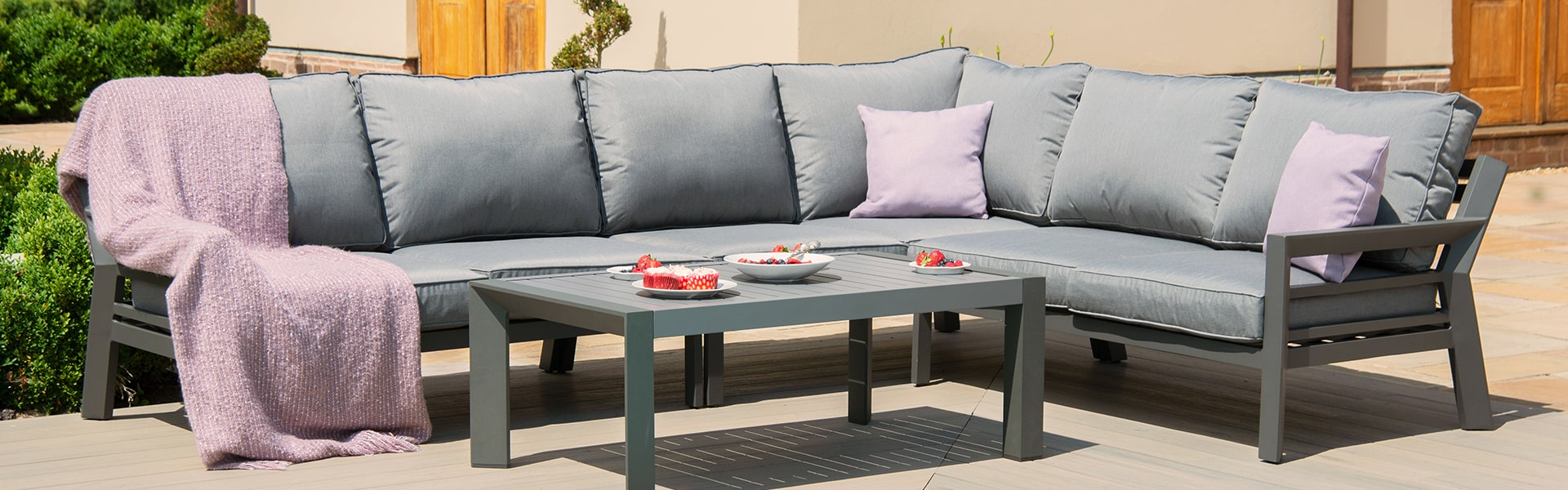
Can I leave outdoor furniture out in the rain, or should I store it indoors?
Whether you can leave outdoor furniture out in the rain or store it indoors depends on the type of furniture and the materials it’s made of. Here are some considerations:
1. Weather-Resistant Materials:
Outdoor furniture made from weather-resistant materials such as aluminum, teak, or synthetic wicker is designed to withstand exposure to rain and other elements. These materials are less prone to rust, rot, or damage caused by moisture. It’s generally safe to leave furniture made from these materials outdoors during light to moderate rain.
2. Protective Covers:
Using protective covers can help shield outdoor furniture from rain and moisture. Waterproof covers specifically designed for outdoor furniture can provide an extra layer of protection, helping to prevent water damage. If your furniture doesn’t have built-in weather resistance, using covers when rain is expected is recommended.
3. Quick-Drying Fabrics:
Outdoor furniture with quick-drying fabrics is designed to resist moisture absorption and promote faster drying. This helps prevent mold and mildew growth. If your furniture has cushions or upholstery made from quick-drying fabrics, it can be left outside during light rain, but it’s advisable to bring them indoors during heavy rain or extended periods of wet weather.
4. Non-Weather-Resistant Materials:
Some outdoor furniture materials, such as certain types of wood or untreated metals, are more susceptible to damage from moisture. These materials may warp, rot, or develop mold if exposed to rain. It’s generally best to store furniture made from non-weather-resistant materials indoors or in a covered area when not in use to prevent water damage.
5. Extreme Weather Conditions:
In cases of severe weather conditions, such as heavy rainstorms, hurricanes, or prolonged periods of wet weather, it’s advisable to store outdoor furniture indoors or in a covered area. Extreme weather can cause significant damage to furniture, even if it’s made from weather-resistant materials.
6. Seasonal Storage:
During seasons when outdoor furniture is not in use or when the weather is consistently wet, it’s generally recommended to store the furniture indoors or in a dry, covered area. This helps protect the furniture from prolonged exposure to rain and extends its lifespan.
7. Regular Maintenance:
Regardless of whether you leave outdoor furniture out in the rain or store it indoors, regular maintenance is essential. Clean the furniture regularly and follow any specific care instructions provided by the manufacturer to ensure its longevity and performance.
Ultimately, the decision to leave outdoor furniture out in the rain or store it indoors depends on the specific furniture materials, weather conditions, and personal preferences. Consider the factors mentioned above and use your judgment to determine the best course of action for your outdoor furniture.
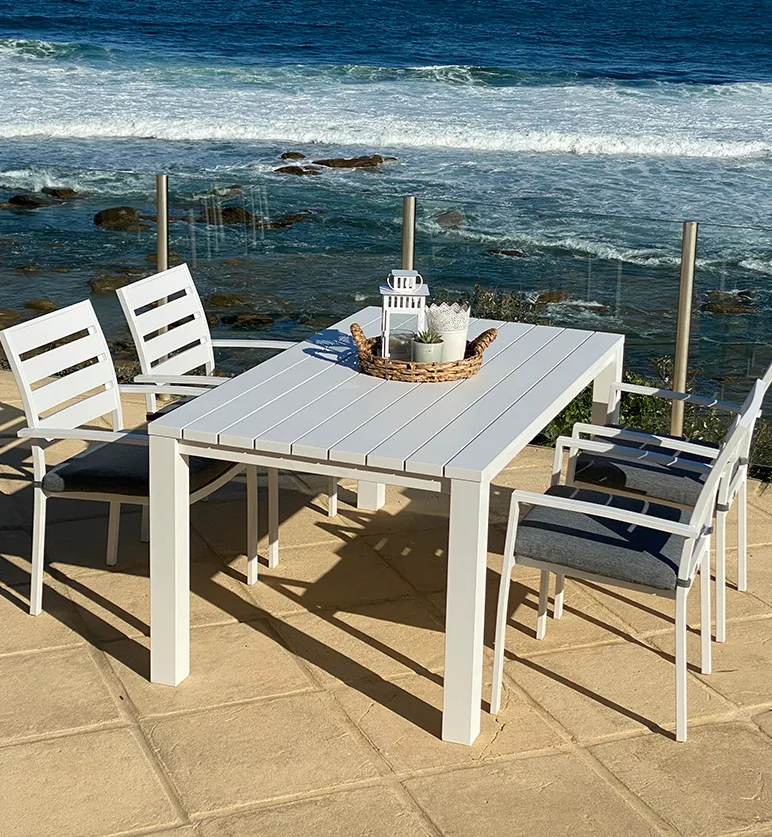
Are there any space-saving outdoor furniture options for small patios or balconies?
Yes, there are several space-saving outdoor furniture options available specifically designed for small patios or balconies. These furniture pieces are designed to maximize functionality while taking up minimal space. Here are some popular options:
1. Folding Furniture:
Folding furniture is a versatile choice for small outdoor spaces. Folding chairs, tables, and benches can be easily folded and stored when not in use, allowing you to create more space when needed.
2. Stackable Furniture:
Stackable chairs or stools are practical for compact spaces. These chairs can be stacked and stored vertically, minimizing the footprint. Look for lightweight and durable materials such as aluminum or plastic.
3. Wall-Mounted Furniture:
Consider wall-mounted tables or benches that can be folded down when needed and folded up against the wall when not in use. This option is ideal for balconies where floor space is limited.
4. Hanging Chairs or Hammocks:
If you have a sturdy overhead structure, hanging chairs or hammocks can provide comfortable seating options without taking up floor space. They can be easily installed and removed as needed.
5. Compact Bistro Sets:
Bistro sets are designed for small outdoor spaces. They typically consist of a small table and two chairs, providing a cozy and functional seating area without overwhelming the space.
6. Built-In Seating:
Consider built-in benches or seating options that can be integrated into your patio or balcony design. These can be customized to fit the available space and provide storage compartments underneath for additional functionality.
7. Multifunctional Furniture:
Look for furniture pieces that serve multiple purposes. For example, ottomans or coffee tables with hidden storage can double as seating or provide a place to keep cushions or other outdoor accessories.
8. Vertical Gardens:
If floor space is limited, vertical gardens or hanging planters can add greenery and enhance the ambiance of your small outdoor space without taking up valuable floor space.
When shopping for space-saving outdoor furniture, consider the dimensions, materials, and functionality of each piece. Take accurate measurements of your patio or balcony to ensure the furniture will fit comfortably. Additionally, consider the weather resistance and durability of the materials used, especially if your outdoor space is exposed to the elements.
By selecting the right space-saving furniture options, you can create a functional and enjoyable outdoor space, even with limited square footage.
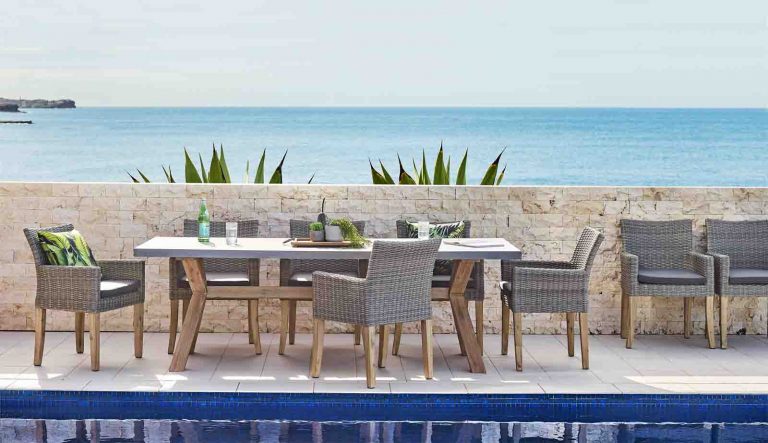
What are the key features to consider when shopping for outdoor furniture?
When shopping for outdoor furniture, there are several key features to consider to ensure you choose the right pieces for your needs and preferences. Here are the key features to keep in mind:
1. Material: The material of the outdoor furniture is crucial as it determines its durability, resistance to the elements, and maintenance requirements. Common materials include teak, aluminum, wrought iron, HDPE wicker, steel, and recycled plastic. Consider the weather conditions, level of maintenance you’re willing to invest, and the desired aesthetic when selecting the material.
2. Comfort: Outdoor furniture should be comfortable for you and your guests to enjoy. Look for features such as ergonomic design, supportive cushions, and adjustable elements like reclining chairs or ottomans. Test the furniture in person, if possible, to ensure it provides the desired level of comfort.
3. Style and Design: Outdoor furniture comes in a variety of styles and designs to suit different tastes and outdoor aesthetics. Consider the overall style of your outdoor space and choose furniture that complements it. Whether you prefer modern, traditional, rustic, or eclectic designs, select furniture that enhances the visual appeal of your patio, deck, or garden.
4. Size and Scale: Before purchasing outdoor furniture, measure the available space and consider the scale of the furniture in relation to the area. Oversized furniture can make a small space feel cramped, while furniture that is too small may look out of place. Ensure the furniture fits well and allows for comfortable movement around it.
5. Functionality: Think about how you plan to use your outdoor space and choose furniture that caters to those needs. Whether you want a dining set for outdoor meals, a lounge area for relaxation, or versatile pieces that can serve multiple purposes, prioritize functionality when selecting outdoor furniture.
6. Maintenance Requirements: Different types of outdoor furniture have varying maintenance requirements. Consider the level of maintenance you’re willing to undertake. Some materials may require regular cleaning, staining, or protective treatments, while others are low-maintenance and only need occasional cleaning. Choose furniture that aligns with your maintenance preferences and capabilities.
7. Budget: Set a budget for your outdoor furniture purchase and consider the quality and longevity of the furniture within that budget. While affordability is important, prioritize quality and durability to ensure your outdoor furniture lasts for years to come.
By considering these key features when shopping for outdoor furniture, you can make informed decisions and select pieces that meet your needs, style, and budget.
editor by CX 2023-11-03
China Hot selling Luxury Rainproof Patio Outdoor Sun Shade Roof Louver Motorized SPA Garden Furniture CHINAMFG Gazebo Pergola with Side Screen vacuum pump for ac
Product Description
Our Products List:
+ Aluminium Profiles for Window and Door
+ Aluminium Profiles for Kitchen Cabinet
+ Aluminium Profiles for Industrial
+ Aluminium Profiles for Curtain Wall
+ Aluminium Profiles for Roller Shutter
+ Aluminium Fence & Aluminium Pergola
+ Aluminium Casting
Product Description
Luxury Rainproof Patio Outdoor Sun Shade Roof Louver Motorized SPA Garden Furniture CHINAMFG Gazebo Pergola with Side Screen
Product Advantages:
1. Waterproof, moisture-proof, corrosion-resistant, anti-aging
2. Moth-proof and termite-proof
3. No cracking, no expansion, no deformation, no maintenance and maintenance, easy to clean
4. Low-carbon environmental protection, no pollution, recyclable
5. Fire retardant
6. Good machinability, can be nailed, planed, sawed, drilled, bent or straight, round or square
7. Easy to install
8. High safety, can resist various external impacts
Product Parameters
| Product Name | Luxury Rainproof Patio Outdoor Sun Shade Roof Louver Motorized SPA Garden Furniture CHINAMFG Gazebo Pergola with Side Screen |
| Material | 6063, 6061, 6005, 6082, 6060 aluminum, ect. |
| Temper | T5 / T6 / T66, etc. |
| Surface Treatment Method | Anodizing, electrophoretic coating, powder coating, painting, polishing |
| Length | Customized |
| Size | Customized |
| Thickness | Customized (0.8-2.5mm) |
| Application | Residence, Patio, Garden, Supermarket, Balcony, Swimming Pool, Restaurant, Cottage, Courtyard |
| Feature | Easily assembled, Eco Friendly, Rot Proof, Rodent Roof, Waterproof |
| Package | 5% composite paper packaging, or as required |
| Delivery Time | 7-25 days after deposit |
| Certificate | CE, ISO9001, IATF16949 |
Detailed Photos
Packaging & Shipping
All of our product will be packed with 5% composite paper first, and then loaded into the container to ensure that they are in good condition when they reach you.
Company Profile
Shan Lv CHINAMFG Co. LTD has been established for more than 20 years. It is a large-scale comprehensive aluminum profiles and aluminum products enterprise specializing in development, design and manufacture. We have 46 aluminum extrusion production lines, 2 anodize and electrophoresis production lines, 4 for powder coating and 1 for paint coating. We mainly produce 6000 series, more than 3,000 cross-section models, including anodic oxidation coloring, electrophoretic coating, powder spraying, heat insulation, fluorocarbon spraying, and wood grain transfer profiles, with an annual production capacity of 100,000 tons.
Our Reference Products
Our Workshop
Our Mold Library
Our Warehouse
Certifications
FAQ
1. Q: Are you a factory or a trader?
A : We are a factory specializing in the production of aluminum profiles and aluminum products.
2. Q: What is your annual production capacity?
A : Our annual production capacity exceeds 100,000 tons.
3. Q: What is your MOQ?
A : Our MOQ is 1 container.
4. Q: What is your price terms?
A : We accept 30% prepayment after CHINAMFG the contract, 70% payment against BL copy within 7 days.
5. Q: How long is your delivery time?
A : Usually, we can ship within 7 – 25 days after you place an order.
6. Q: What other services do you provide?
A : We accept customized service. Just tell us your requirements, we will do our best.
| Shape: | Quad |
|---|---|
| Frame Material: | Aluminum |
| Sail Material: | Aluminum Alloy 6063-T5 |
| Sail Finishing: | Powder Coated |
| Condition: | New |
| Customized: | Customized |
| Samples: |
US$ 0/Piece
1 Piece(Min.Order) | |
|---|
| Customization: |
Available
|
|
|---|
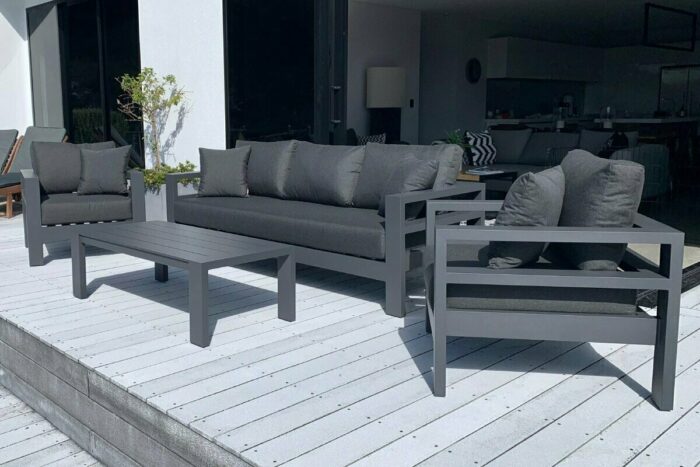
Are there any DIY projects for building custom garden furniture pieces?
Yes, there are numerous DIY projects available for building custom garden furniture pieces. Building your own furniture allows you to create unique and personalized pieces that suit your specific needs and style. Here are a few DIY project ideas for building custom garden furniture:
1. Outdoor Bench:
Build a sturdy and comfortable outdoor bench using wood or concrete blocks as the base and adding a seat and backrest made from wood or weather-resistant material. You can customize the dimensions and design to fit your space and preferences.
2. Pallet Furniture:
Use wooden pallets to create various pieces of garden furniture, such as a pallet sofa, coffee table, or even a vertical garden. Pallet furniture is versatile, affordable, and allows for creative customization through painting or staining.
3. Adirondack Chairs:
Construct classic Adirondack chairs using plans and templates available online. These iconic chairs are comfortable and have a distinct, rustic look. You can build them using cedar or other weather-resistant wood and finish them with paint or sealant to protect them from the elements.
4. Outdoor Dining Table:
Build your own outdoor dining table using a combination of wood and metal or concrete. Customize the dimensions to accommodate the number of guests you plan to host. Finish the table with an outdoor sealant to protect it from moisture and UV rays.
5. Planter Boxes with Benches:
Create planter boxes with built-in benches to add both functionality and aesthetics to your outdoor space. Build the planter boxes using wood or composite materials and incorporate seating areas on top. This project allows you to combine seating and greenery in one piece.
6. Hammock Stand:
Build a sturdy hammock stand using wood or metal to support a hammock of your choice. Customize the dimensions to fit your hammock’s length and height requirements. Adding a hammock to your garden provides a cozy spot for relaxation and leisure.
7. Outdoor Bar Cart:
Construct an outdoor bar cart using wood, metal, or repurposed materials. Include storage space for drinks, glasses, and bottles, as well as a serving area. Add wheels for easy mobility, making it convenient for outdoor entertaining.
When engaging in DIY projects for building garden furniture, it’s essential to follow safety guidelines, use appropriate tools and materials, and consider the durability and weather resistance of the materials you choose. Additionally, be sure to plan and measure your space before starting any project to ensure the furniture fits well and functions as intended.
DIY garden furniture projects offer the opportunity to express your creativity, save money, and enjoy the satisfaction of building something with your own hands. Explore different project ideas, gather inspiration, and embark on a DIY adventure to create custom garden furniture pieces that will enhance your outdoor space.
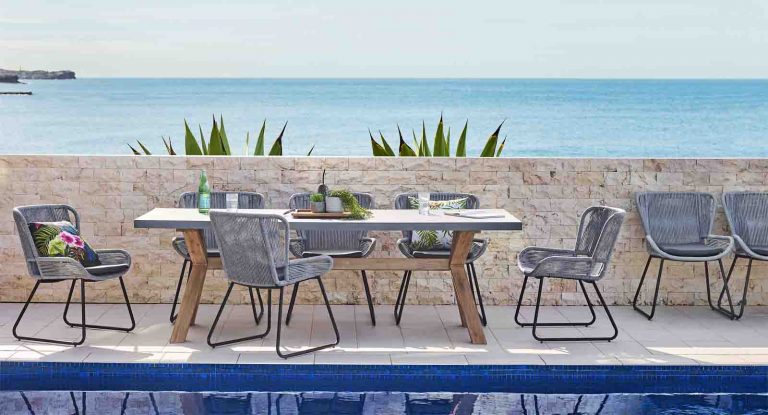
What are the top considerations for selecting garden furniture near a pool?
When selecting garden furniture to be placed near a pool, there are several important considerations to keep in mind. These considerations help ensure that the furniture is suitable for the poolside environment and enhances your outdoor experience. Here are the top factors to consider:
1. Material Durability:
Choose garden furniture made from materials that are durable and can withstand exposure to water, sunlight, and pool chemicals. Common materials for poolside furniture include aluminum, teak, wrought iron, resin wicker, and certain types of plastic. These materials are known for their resistance to rust, fading, and deterioration in outdoor settings.
2. Water and Moisture Resistance:
Opt for furniture that is water and moisture resistant, as it will be exposed to splashes from the pool and occasional wet conditions. Look for cushions and upholstery made from quick-drying and water-resistant fabrics. Additionally, consider furniture with slatted designs or mesh materials that allow for better water drainage and airflow.
3. UV Resistance:
Ensure that the garden furniture you choose is UV resistant to protect it from sun damage. Prolonged exposure to sunlight can cause fading, discoloration, and deterioration of materials. Look for furniture with UV-resistant finishes or materials that are specially designed to withstand the sun’s rays.
4. Easy Maintenance:
Select furniture that is easy to clean and maintain, as poolside areas can be prone to dirt, splashes, and other debris. Consider furniture with smooth surfaces, stain-resistant fabrics, or removable and washable cushion covers. Furniture that requires minimal upkeep will save you time and effort in the long run.
5. Comfort and Ergonomics:
Choose poolside furniture that offers comfort and ergonomic support. Look for chairs and loungers with adjustable features, such as reclining backrests and removable cushions. Additionally, consider furniture with armrests and supportive seating that allows for comfortable relaxation by the pool.
6. Safety Features:
Prioritize safety when selecting garden furniture near a pool. Avoid furniture with sharp edges or protruding parts that could pose a hazard, especially if you have children or pets. Opt for furniture with stable and sturdy construction that can withstand accidental bumps or knocks.
7. Style and Aesthetics:
Consider the style and aesthetics of the garden furniture to ensure it complements the overall poolside area. Choose furniture that aligns with your preferred design theme and enhances the visual appeal of the space. Whether you prefer modern, contemporary, or more traditional styles, select furniture that harmonizes with your outdoor environment.
8. Portability and Storage:
If you prefer flexibility or need to store the furniture during certain seasons, consider the portability and storage options. Look for lightweight furniture that is easy to move around, especially if you plan to rearrange the seating arrangement. Additionally, consider folding or stackable furniture that can be conveniently stored when not in use.
By considering these factors, you can choose garden furniture that is well-suited for the poolside environment, enhances your outdoor space, and provides comfort and durability for years to come.
How do I clean and maintain my garden furniture to keep it looking new?
To keep your garden furniture looking new and well-maintained, regular cleaning and proper maintenance are essential. Here are some steps you can follow to clean and maintain your garden furniture:
1. Read the Manufacturer’s Instructions:
Before cleaning your garden furniture, refer to the manufacturer’s instructions and guidelines. Different materials and finishes may require specific cleaning methods or products. Adhering to the manufacturer’s recommendations ensures that you don’t accidentally damage the furniture.
2. Remove Debris:
Start by removing any loose dirt, leaves, or debris from your furniture. Use a soft brush or a cloth to gently sweep away the debris. Pay attention to crevices and corners where dirt may accumulate.
3. Clean with Mild Soap and Water:
For most types of garden furniture, a solution of mild soap and water is sufficient for cleaning. Mix a small amount of mild dish soap or a gentle outdoor furniture cleaner with water. Use a sponge or a soft cloth to clean the surfaces of the furniture, including the frames, tabletops, and seating areas. Rinse thoroughly with clean water afterward.
4. Address Stains Promptly:
If you notice any stains on your furniture, address them promptly. Blot liquid stains with a clean cloth and mild soap solution. For tougher stains, you may need to use a specialized cleaner recommended for the specific material of your furniture. Follow the instructions on the cleaner and test it on a small, inconspicuous area before applying it to the entire surface.
5. Treat Wooden Furniture:
If you have wooden garden furniture, additional care is required. Regularly inspect the wood for signs of cracking, peeling, or discoloration. If necessary, sand the surface lightly and apply a protective finish or outdoor furniture oil to maintain its appearance and protect it from moisture.
6. Maintain Metal Furniture:
Metal garden furniture may require occasional maintenance to prevent rust or corrosion. Check for any signs of rust and remove it using a wire brush or sandpaper. Apply a rust-resistant paint or a protective spray to any exposed metal surfaces.
7. Store or Cover:
When not in use, consider storing your garden furniture indoors or covering it with weatherproof furniture covers. This protects the furniture from the elements and extends its lifespan. Ensure that the furniture is clean and dry before covering or storing it to prevent the growth of mold or mildew.
8. Regularly Inspect and Repair:
Periodically inspect your garden furniture for any signs of wear, loose screws, or damaged parts. Tighten any loose screws or bolts and make necessary repairs promptly to prevent further damage.
By following these cleaning and maintenance practices, you can keep your garden furniture looking new and prolong its lifespan. Regular care and attention will help preserve its appearance and functionality for years to come.
editor by CX 2023-11-03
China manufacturer Factory Wholesale New Arrival Rope Aluminium Furniture Garden Restaurant Indoor and Outdoor Sofa Set Furniture a/c vacuum pump
Product Description
Factory Wholesale New Arrival Rope Aluminium Furniture Garden Restaurant Indoor and Outdoor Sofa Set Furniture
Product Description
This stylish collection contains a variety of dining sets that will instantly transform your backyard into a
picturesque setting for al fresco meals. The sleek, modern frames are forged out of heavy-duty steel
and treated with a multi-step finish for ultimate outdoor protection. High-performance powder coating
provides extended protection against rust, scratches, and UV harm.
| Product Parameters: | |
| Item No. | MYRS23 |
| Sofa material | Aluminum frame with rattan and cushion |
| Table material | CHINAMFG frame |
| Feature | Water-proof and UV resistance |
| Cushion | 12cm thickness |
| Color | Optional |
| Sofa weight | 35KG/set |
| CBM | 1.48CBM/set |
| Loading ability | 46 sets/40HQ, 38 sets/40GP, 19 sets/20GP |
About this item:
- [THOUGHTFUL] Each foot with height-adjustable and anti-slip rubber base to fit uneven ground. The backrest is curved to add more comfort for your body
- [EASY INSTRUCTION WORK & WARRANTY] With detailed assembly manual and complete accessories, it is easy to be assembled well. And if you have any questions, 24-hour customer service for you
- [WHAT YOU GET]Stylish and elegant bistro table set, including 24 inch round outdoor table and 2 armchairs
- [WEATHER RESISTANT]These patio table and chairs with an anti-rust coating surface for all weather, no fading, no aging
Our Advantages
Detailed Photos
Aluminum Frame Color:
Rattan Color Optional:
(1). Environmental PE rattan. Water proof and UV resistance.
(2). Suitable for outdoor all day long.
(3). We have different quality rattan such as 1.5 years and 5 years warranty quality.
Cushion Fabric Color Optional:
(1). 100% polyester fabric.
(2). We have different quality of fabric like sunbrella fabric and Olefin.
Packaging & Shipping
(1). KD package in 3 carton boxes with screw and nstallation drawings.
(2). First, we packed the sofa with PP bag.
(3). Then packed with carton box again.
(4). Each corner part of carton box will be protected well when shipping.
Company Profile
| Material: | Rppe |
|---|---|
| Frame Material: | Aluminum |
| Style: | Modern |
| Samples: |
US$ 1688/Set
1 Set(Min.Order) | Order Sample |
|---|
| Customization: |
Available
|
|
|---|
.shipping-cost-tm .tm-status-off{background: none;padding:0;color: #1470cc}
|
Shipping Cost:
Estimated freight per unit. |
about shipping cost and estimated delivery time. |
|---|
| Payment Method: |
|
|---|---|
|
Initial Payment Full Payment |
| Currency: | US$ |
|---|
| Return&refunds: | You can apply for a refund up to 30 days after receipt of the products. |
|---|
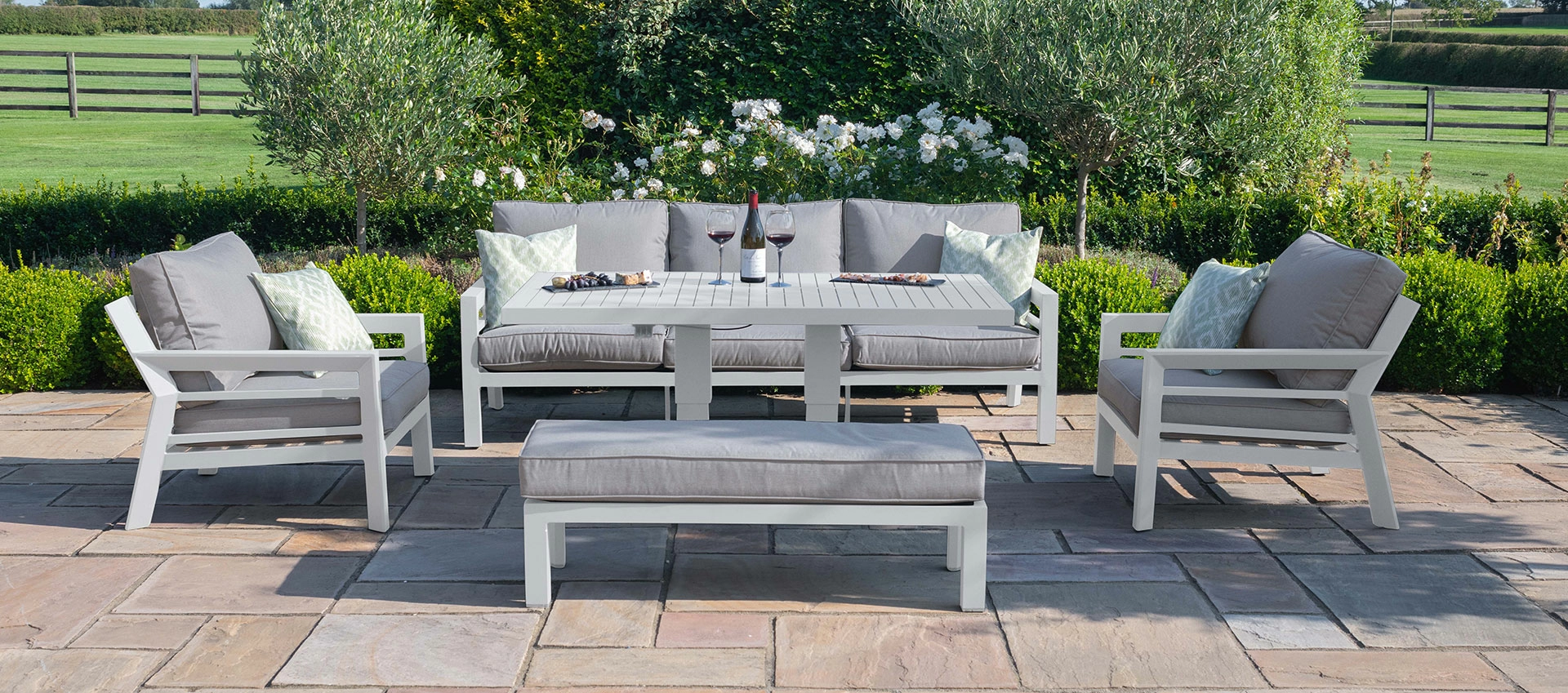
What are the latest trends in aluminum garden furniture designs and styles?
The world of aluminum garden furniture is constantly evolving, and there are several exciting trends in designs and styles. Here are some of the latest trends:
1. Minimalist and Contemporary:
Minimalist designs with clean lines and sleek profiles are gaining popularity. Contemporary aluminum furniture often features minimalist aesthetics, emphasizing simplicity and functionality. These designs create a modern and uncluttered look in outdoor spaces.
2. Mixed Materials:
Combining aluminum with other materials, such as wood, rope, or fabric, is a popular trend. This fusion of materials adds visual interest and texture to the furniture. For example, aluminum frames paired with wooden accents can create a warm and natural feel.
3. Outdoor Lounge Sets:
Lounge sets are in high demand, offering comfortable seating arrangements for relaxation and socializing outdoors. These sets often include sofas, club chairs, ottomans, and coffee tables. Aluminum lounge sets with plush cushions provide a luxurious and inviting outdoor seating experience.
4. Modular and Sectional Designs:
Modular and sectional furniture allows for versatility and customization. Aluminum garden furniture with modular designs enables users to rearrange seating configurations based on their needs and preferences. This flexibility is especially appealing for those who like to change their outdoor layout frequently.
5. Curved and Organic Shapes:
Furniture with curved or organic shapes adds a touch of elegance and softness to outdoor spaces. Aluminum garden furniture featuring rounded edges, curved backs, or flowing contours creates a more inviting and comfortable atmosphere.
6. Bold Colors:
While classic neutral tones remain popular, bold colors are making a statement in aluminum furniture designs. Vibrant shades like deep blues, rich greens, and warm oranges are being used to add personality and create focal points in outdoor settings.
7. Sustainable and Eco-Friendly Designs:
In line with the growing emphasis on sustainability, there is an increasing demand for eco-friendly aluminum furniture designs. Manufacturers are incorporating sustainable materials, such as recycled aluminum and responsibly sourced wood, and adopting environmentally conscious production practices.
8. Outdoor Dining Sets:
Outdoor dining sets continue to be a staple in aluminum furniture designs. These sets typically include a dining table and matching chairs, providing comfortable and stylish seating for outdoor meals and gatherings. Designs range from traditional to modern, catering to various aesthetic preferences.
These are just a few of the latest trends in aluminum garden furniture designs and styles. Whether you prefer minimalist, mixed materials, lounge sets, modular designs, curved shapes, bold colors, sustainable options, or outdoor dining sets, there is a wide range of options available to suit your personal taste and create a stylish outdoor living space.
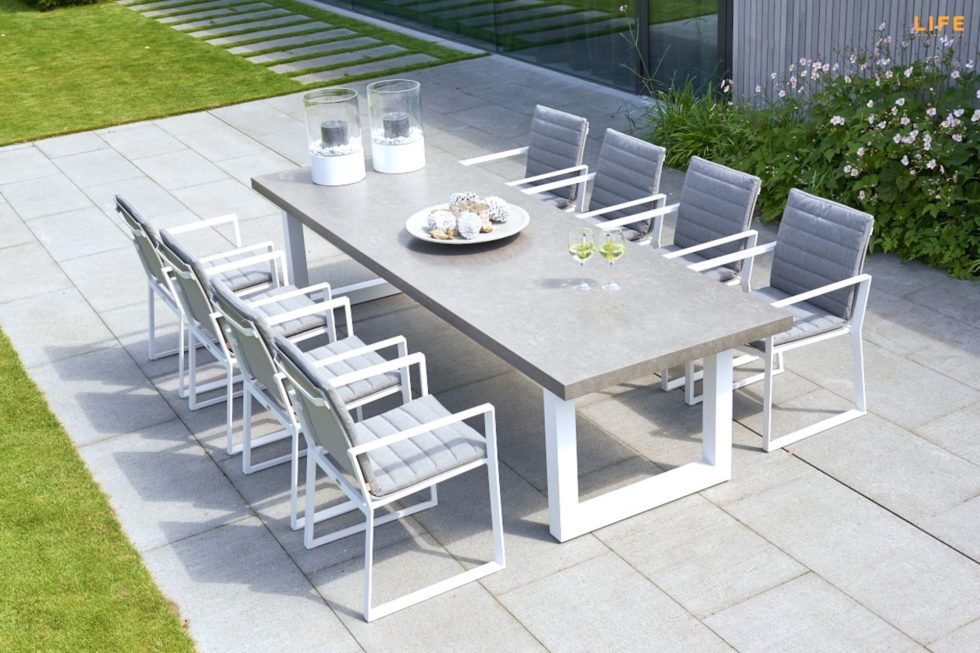
What are the advantages of using powder-coated aluminum for garden furniture frames?
Powder-coated aluminum offers several advantages when used for garden furniture frames. Here are the key benefits:
1. Durability:
Powder coating creates a highly durable finish that can withstand outdoor conditions. The powder coating process involves applying a dry powder to the aluminum surface and then curing it in an oven. This results in a hard and protective layer that resists chipping, scratching, and fading. The durable nature of powder coating ensures that the furniture frames can withstand regular use and exposure to the elements without significant wear or damage.
2. Weather Resistance:
Powder-coated aluminum is highly resistant to weathering. It can withstand exposure to sunlight, rain, humidity, and temperature fluctuations without corroding or deteriorating. The powder coating acts as a barrier that protects the aluminum from moisture, UV rays, and other environmental factors that can cause damage. This makes powder-coated aluminum ideal for outdoor furniture that needs to withstand various weather conditions throughout the year.
3. Color Options:
Powder coating offers a wide range of color options for garden furniture frames. The powder coating process involves using pigmented powders, allowing for customization in terms of color and finish. Whether you prefer vibrant hues or subtle tones, there are numerous color choices available to suit your aesthetic preferences and complement your outdoor decor. Additionally, the color of powder-coated aluminum remains vibrant and fade-resistant over time.
4. Easy Maintenance:
Powder-coated aluminum is relatively low-maintenance compared to other materials. The smooth and non-porous surface of the powder coating makes it easy to clean. Generally, regular cleaning with mild soap and water is sufficient to keep the frames looking their best. The durable finish also helps prevent the accumulation of dirt, stains, and grime, making maintenance tasks easier and less frequent.
5. Eco-Friendly:
Powder coating is an environmentally friendly finishing option. The powder coating process does not involve the use of solvents or emit harmful volatile organic compounds (VOCs) into the air. Additionally, powder coatings are highly efficient, with minimal waste, as any overspray can be collected and reused. This makes powder-coated aluminum a sustainable choice for garden furniture.
Overall, the advantages of using powder-coated aluminum for garden furniture frames include durability, weather resistance, a wide range of color options, easy maintenance, and eco-friendliness. These qualities make powder-coated aluminum an excellent choice for outdoor furniture that can withstand the elements while maintaining its appearance and functionality over time.
How can I maintain and care for my aluminum garden furniture to keep it looking new?
To keep your aluminum garden furniture looking new and well-maintained, here are some tips for maintenance and care:
1. Regular Cleaning:
Regular cleaning is essential to prevent dirt, debris, and stains from accumulating on your aluminum furniture. Use mild soap or a gentle household cleaner mixed with water to clean the surfaces. Avoid abrasive cleaners or tools that can scratch the aluminum. After cleaning, rinse thoroughly with water and dry the furniture completely.
2. Protective Covers:
Consider using protective covers when your aluminum furniture is not in use, especially during long periods of storage or inclement weather. Covers can help shield the furniture from dust, dirt, and UV rays, prolonging its lifespan and maintaining its appearance.
3. Avoid Harsh Elements:
While aluminum is durable and weather-resistant, it’s still a good practice to avoid exposing your furniture to extreme weather conditions whenever possible. Direct exposure to prolonged sunlight, heavy rain, or snow can gradually affect the appearance and finish of the furniture. If you live in an area with harsh weather, consider moving your furniture to a protected area or using umbrellas or shade sails to provide additional protection.
4. Rust Prevention:
Although aluminum is naturally resistant to rust, certain factors can still cause corrosion. To further protect your furniture, apply a thin layer of automotive wax or a specialized metal protector to the surfaces. This protective layer can help guard against oxidation and maintain the shine of the aluminum.
5. Cushion Care:
If your aluminum furniture has cushions, follow the manufacturer’s instructions for cleaning and maintenance. Remove the cushions when not in use or during storage to prevent moisture accumulation. Spot clean any spills or stains promptly to avoid permanent damage.
6. Inspect and Repair:
Regularly inspect your aluminum furniture for any signs of damage or loose parts. Tighten screws or bolts if necessary and address any minor issues promptly to prevent further damage.
7. Seasonal Storage:
If you live in an area with harsh winters or extended periods of non-use, consider storing your aluminum furniture indoors or in a dry and well-ventilated storage area. Clean and dry the furniture thoroughly before storage, and consider using furniture covers or protective wraps to prevent scratches or dings.
By following these maintenance and care tips, you can keep your aluminum garden furniture looking new and extend its lifespan. Regular cleaning, protective covers, avoiding harsh elements, rust prevention, cushion care, inspecting and repairing, and proper seasonal storage will help you maintain the appearance and functionality of your aluminum furniture for years to come.
editor by CX 2023-11-03
China Good quality Customized Resort Hotel Garden Patio Outdoor Furniture CHINAMFG Beach Chair Pool Chaise Lounge vacuum pump adapter
Product Description
Customized Resort Hotel Garden Patio Outdoor Furniture CHINAMFG Beach Chair Pool Chaise Lounge
We are a professional manufacturer of outdoor furniture with more than 20 years of experience. Extensive OEM experience gives us the ability to complete your design with simple drawings or pictures.
In every department of our factory have professional quality inspection personnel, they will check every small parts, only CHINAMFG the standard parts can flow into the next department, so as to maximize the reduction of defective. Even so, we
have a professional full inspection careful check of the product before packing, in the case of ensure that the product qualified finished CHINAMFG and waiting for the shipment.
Professional powder coating line strictly controls the CHINAMFG temperature, ensure the stability of product color and powder adhesion. The diversified wood grain color of manual brush is the feature of our factory. The workers brush out the ideal wood grain by hands. The finished product is absolutely thought to be natural wood if you do not touch and knock, to
achieve the effect of wood imitation with aluminum.
We have professional weaving workers those whom with decades of experience, and the woven products are close and smooth. Our factory requires that the products must be woven with long rattan material, to reduce nailing as much as possible. Although the production schedule will be slowed down a lot, it increases the firmness and durability of the
products.
A perfect product is also inseparable from the quality of the packaging. We have various ways of packing, just like normal carton box, dolly pack, shaped box CHINAMFG etc. We will help customers to save the transportation space base on the perfect protect productions and do our best to save our customers transportation costs.
Our sales team has more than 15 years of experience of outdoor furniture, and understands every production process; we
can solve all kinds of professional problems for you and answer your questions in time. We will give professional suggestion and information to help you choose the right styles. We also provide high resolution photos service and detail photos for
your close checking your orders from beginning producing to loading container.
We have established long term business with more than 30 raw material suppliers. We have an efficient supply chain management system to make sure the delivery on time. We focus on producing outdoor furniture, but also supply Sun-umbrella, bean bags, hammock etc. to support with one-stop shopping service to save your time and cost.
| Material: | Aluminum |
|---|---|
| Style: | Modern |
| Type: | Single |
| Folded: | Unfolded |
| Armrest: | With Armrest |
| Customized: | Customized |
| Samples: |
US$ 180/Piece
1 Piece(Min.Order) | |
|---|
| Customization: |
Available
|
|
|---|
Are there any specific outdoor furniture recommendations for hot and sunny climates?
When choosing outdoor furniture for hot and sunny climates, it’s important to consider materials and features that can withstand the intense heat and sun exposure. Here are some specific recommendations:
1. Heat-Resistant Materials:
Opt for outdoor furniture made from heat-resistant materials such as aluminum, wrought iron, or teak. These materials have the ability to withstand high temperatures without warping or deteriorating.
2. UV-Resistant Fabrics:
Choose outdoor furniture with UV-resistant fabrics for cushions and upholstery. These fabrics are designed to resist fading and damage from prolonged sun exposure.
3. Breathable Fabrics:
In hot climates, it’s essential to choose outdoor furniture with breathable fabrics that allow for air circulation. Look for materials like mesh, quick-drying fabrics, or open-weave designs that promote airflow and help keep you cool.
4. Light Colors:
Light-colored outdoor furniture tends to reflect sunlight rather than absorb it, helping to keep the furniture and seating surfaces cooler. Opt for furniture in neutral or light shades to minimize heat absorption.
5. Shade Options:
Consider outdoor furniture that incorporates built-in shade options. Look for features like umbrellas, canopies, or pergolas that provide shade and protection from direct sunlight.
6. Ventilation and Airflow:
Choose outdoor furniture designs that facilitate ventilation and airflow. Look for slatted designs or furniture with open weaves that allow air to circulate freely, reducing heat buildup.
7. Portable and Versatile:
In hot climates, it can be beneficial to have furniture that is portable and versatile. Look for lightweight pieces that are easy to move and rearrange to take advantage of shade or breeze as the day progresses.
8. Storage Options:
Consider outdoor furniture that offers storage options. This can include built-in storage compartments or furniture that can be easily disassembled and stored during extreme weather conditions or extended periods of non-use.
9. Regular Maintenance:
Proper maintenance is crucial for outdoor furniture in hot and sunny climates. Regularly clean and protect the furniture according to the manufacturer’s instructions to prolong its lifespan and preserve its appearance.
By considering these recommendations, you can select outdoor furniture that is well-suited to hot and sunny climates, providing both comfort and durability in the face of intense heat and sun exposure.
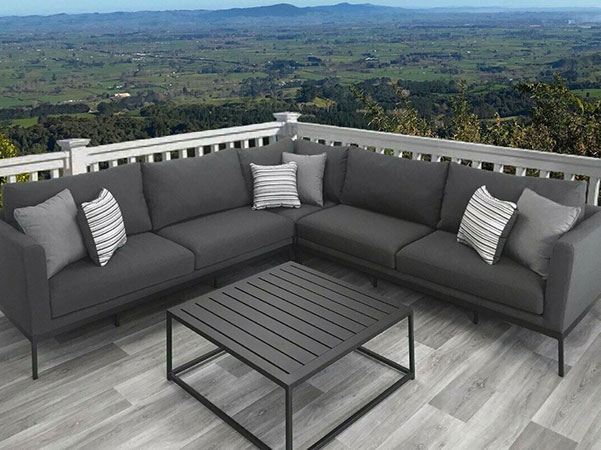
Are there any DIY projects for building custom outdoor furniture pieces?
Yes, there are plenty of DIY projects available for building custom outdoor furniture pieces. If you enjoy woodworking and crafting, creating your own outdoor furniture can be a rewarding and cost-effective option. Here are a few DIY project ideas for building custom outdoor furniture:
1. Adirondack Chairs: Adirondack chairs are classic and comfortable outdoor seating options. There are numerous plans and tutorials available online that provide step-by-step instructions for building Adirondack chairs from scratch. You can customize the design, size, and finish to match your outdoor aesthetic.
2. Pallet Furniture: Repurposing wooden pallets is a popular DIY trend for creating outdoor furniture. With pallets, you can build various pieces like benches, sofas, coffee tables, and even vertical gardens. Look for pallet furniture plans and tutorials that provide guidance on dismantling and assembling pallets into functional and stylish furniture pieces.
3. Outdoor Dining Table: Building your own outdoor dining table allows you to create a custom piece that fits your space and style preferences. You can choose from various materials such as reclaimed wood, cedar, or treated lumber. Look for plans that provide detailed instructions on construction techniques, sizing, and finishing options.
4. Hammock Stand: If you enjoy lounging in a hammock, consider building a hammock stand. This DIY project typically involves working with wood or metal to create a sturdy and stable structure to hang your hammock. Plans and tutorials are available to guide you through the construction process.
5. Outdoor Bar Cart: Building an outdoor bar cart can be a fun and practical DIY project. You can construct a mobile cart with storage for drinks, glasses, and other bar essentials. Look for plans that include details on materials, measurements, and assembly instructions.
6. Outdoor Bench: Building a bench for your outdoor space provides additional seating and can be a versatile piece of furniture. You can create a simple or intricate design based on your skill level and preferences. Look for bench plans that provide guidance on dimensions, joinery techniques, and finishing.
7. Planters and Trellises: DIY planters and trellises can add both functionality and beauty to your outdoor space. You can build custom-sized planters to fit specific areas or construct trellises to support climbing plants. Plans and tutorials are available for different styles and materials.
When undertaking any DIY project, it’s important to prioritize safety. Ensure you have the necessary tools, materials, and skills for the project. Follow the instructions carefully and take proper safety precautions, such as wearing protective gear and working in a well-ventilated area.
Are there any eco-friendly options available for outdoor furniture?
Yes, there are several eco-friendly options available for outdoor furniture that prioritize sustainability and minimize environmental impact. Here are some eco-friendly options to consider:
1. Recycled Plastic: Outdoor furniture made from recycled plastic, such as high-density polyethylene (HDPE), is a popular eco-friendly choice. This material is derived from post-consumer plastic waste, including plastic bottles and containers, and can be recycled again at the end of its life. Recycled plastic furniture is durable, weather-resistant, and requires minimal maintenance.
2. Sustainably Sourced Wood: If you prefer the natural look of wood, opt for outdoor furniture made from sustainably sourced wood, such as teak or eucalyptus. Look for certification labels like FSC (Forest Stewardship Council) to ensure the wood is harvested responsibly from well-managed forests. These types of wood are known for their durability and resistance to weathering.
3. Bamboo: Bamboo is a fast-growing and renewable resource that can be used to create outdoor furniture. It is a durable and lightweight material that offers a natural and tropical aesthetic. Bamboo furniture is often treated to enhance its weather resistance and longevity.
4. Aluminum: Aluminum is a highly recyclable material that is commonly used in outdoor furniture. Look for furniture made from recycled or responsibly sourced aluminum. It is lightweight, rust-resistant, and requires minimal maintenance.
5. Natural Fiber Wicker: Wicker furniture made from natural fibers, such as rattan or seagrass, is another eco-friendly option. These materials are renewable and biodegradable. Look for furniture that uses natural fiber wicker and avoids synthetic or PVC-based wicker.
6. Upcycled or Reclaimed Materials: Consider outdoor furniture made from upcycled or reclaimed materials, such as reclaimed wood or repurposed metal. These options give a new life to materials that would otherwise go to waste and contribute to landfill waste reduction.
7. Minimalist Designs and Longevity: Opting for minimalist designs and furniture with long lifespans can also be eco-friendly. Choosing timeless pieces that are built to last reduces the need for frequent replacements and helps minimize waste.
When looking for eco-friendly outdoor furniture, it’s important to research the materials, production processes, and certifications associated with the products. Look for eco-labels or certifications that indicate the furniture meets specific environmental standards.
By choosing eco-friendly outdoor furniture, you can create a sustainable and environmentally conscious outdoor space.
editor by CX 2023-11-03
China Good quality Modern Customized Outdoor Garden Home Hotel Resort Villa Restaurant Patio CHINAMFG Leisure Corner Sofa Set Furniture vacuum pump and compressor
Product Description
Modern Customized Outdoor Garden Home Hotel Resort Villa Restaurant Patio CHINAMFG Leisure Corner Sofa Set Furniture
Similar Collection Product Details
HangZhou XIHU (WEST LAKE) DIS. AOBEI FURNITURE CO., LIMITED provides professional and comprehensive production to outdoor furniture with different designs and materials. We accept OEM and CUSTOMIZED orders, aiming to provide good service and good quality outdoor furniture for different commercial projects and wholesale business.
Our Advantages:
1) Professional OEM & CUSTOMIZED production.
2) Rich manufacturing experience since 2006.
3) Provide comprehensive production with different designs and materials.
4) Accept flexible order quantity.
5) Commercial standard quality with 3-5 years guarantee.
6) Provide high resolution photo & video.
7) Provide order production follow-up status in the whole process.
8) All complains will be handled within 1-3 days.
9) Sample time 7-15days.
Our aim is to make you feel like you are an owned-manager and close partner with us.
We hope you have a minute to have a look at our e-catalog and website, where you can see a wide range of our products.
Also, we welcome a personal visit to our factory and showroom, which would allow us to show our products and answer your queries directly.
Please feel free to contact us anytime, thank you!
| Material: | Aluminum+Fabric |
|---|---|
| Frame Material: | Aluminum |
| Style: | Modern |
| Type: | Combination |
| Usage: | Bar, Cafe, Restaurant, Poolside, Backyard, Hotel, Garden, Balcony, Patio, |
| Folded: | Unfolded |
| Customization: |
Available
|
|
|---|
Can I leave aluminum garden furniture outside year-round, or should I store it?
While aluminum garden furniture is generally designed to withstand outdoor conditions, it is recommended to take certain precautions to ensure its longevity. Here are some factors to consider when deciding whether to leave your aluminum furniture outside year-round or store it:
1. Climate:
The climate in your area plays a significant role in determining whether you should leave your aluminum furniture outside year-round. In regions with mild climates and minimal extreme weather conditions, such as moderate temperatures and low humidity, it is usually safe to leave the furniture outdoors.
2. Harsh Weather:
If you live in an area with harsh weather conditions, such as extreme heat, heavy rain, snow, or high winds, it is advisable to store your aluminum furniture during these periods. Prolonged exposure to such elements can gradually affect the appearance and durability of the furniture.
3. UV Exposure:
Direct and prolonged exposure to sunlight can cause fading or discoloration of the furniture’s finish over time. If your aluminum furniture is consistently exposed to intense sunlight, it may be beneficial to provide shade or use protective covers to minimize UV damage.
4. Maintenance Effort:
Leaving your aluminum furniture outside year-round may require more maintenance to keep it in good condition. Regular cleaning, applying protective coatings, and addressing any signs of damage or wear become even more important when the furniture is exposed to outdoor elements continuously.
5. Storage Space:
If you have sufficient storage space available, storing your aluminum furniture during periods of non-use or harsh weather can help prolong its lifespan. Storing the furniture in a dry and well-ventilated area, such as a garage, shed, or covered patio, can provide additional protection.
6. Furniture Covers:
If leaving your aluminum furniture outside year-round, consider using furniture covers designed for outdoor use. Quality covers can help protect the furniture from dust, dirt, UV rays, and moisture. Ensure that the covers are properly fitted and secure to prevent wind damage.
7. Manufacturer’s Recommendations:
Refer to the manufacturer’s recommendations or care instructions for your specific aluminum furniture. They may provide guidance on whether the furniture is suitable for year-round outdoor use or if it is advisable to store it during certain conditions.
In conclusion, while aluminum garden furniture is generally durable and weather-resistant, storing it during harsh weather conditions and providing regular maintenance can help prolong its lifespan and keep it in optimal condition. Consider the climate, weather patterns, UV exposure, maintenance effort, storage space availability, and manufacturer’s recommendations to make an informed decision on whether to leave your aluminum furniture outside year-round or store it.
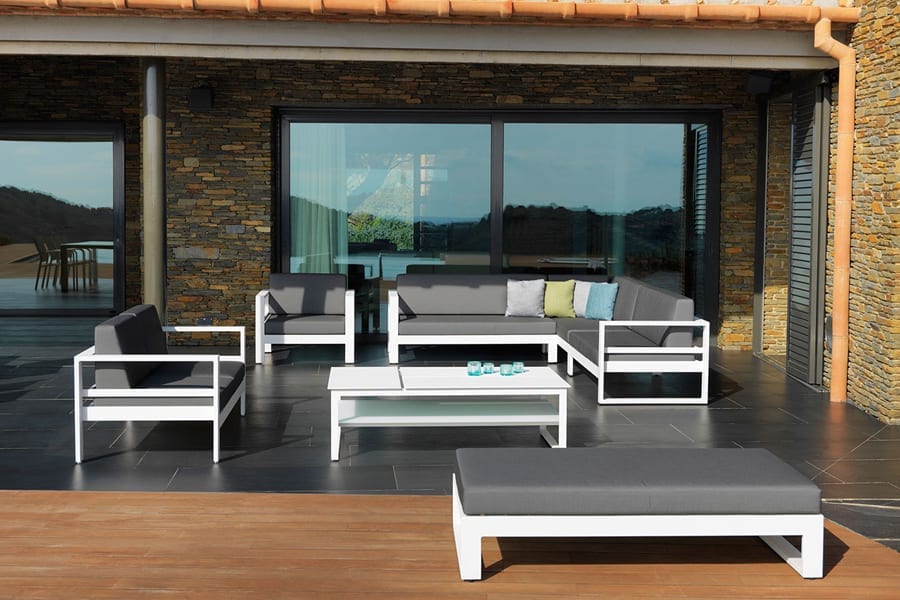
What are the ideal cushions and fabrics for aluminum garden furniture that won’t absorb moisture?
When it comes to cushions and fabrics for aluminum garden furniture that won’t absorb moisture, there are a few options that are well-suited for outdoor use. Here are some ideal choices:
1. Solution-Dyed Acrylic:
Solution-dyed acrylic fabrics are a popular choice for outdoor cushions and upholstery. They are highly resistant to moisture and won’t absorb water easily. Additionally, they are fade-resistant, durable, and resistant to mildew. Solution-dyed acrylic fabrics come in a wide range of colors and patterns, allowing you to find the perfect style for your aluminum garden furniture.
2. Polyester:
Polyester fabrics are another good option for outdoor cushions. They are naturally water-resistant and dry quickly, making them suitable for environments with moisture. Polyester fabrics are also known for their durability and resistance to fading, making them a practical choice for outdoor furniture.
3. Vinyl:
Vinyl fabrics are highly water-resistant and easy to clean, making them ideal for outdoor use. They are often used for cushions and upholstery in areas where moisture is a concern. Vinyl fabrics are available in a variety of colors and textures, providing versatility in design options for your aluminum garden furniture.
4. Olefin:
Olefin fabrics are known for their resistance to moisture and mildew. They have low water absorbency, which makes them suitable for outdoor cushions. Olefin fabrics are also resistant to fading and staining, making them a durable choice for outdoor furniture that will retain its appearance over time.
5. Sunbrella:
Sunbrella is a well-known brand of outdoor fabrics that are highly resistant to moisture. They are made from acrylic fibers that are solution-dyed, offering excellent water repellency. Sunbrella fabrics are also fade-resistant, easy to clean, and come in a wide range of colors and patterns to suit various design preferences.
When choosing cushions and fabrics for your aluminum garden furniture, look for materials that are specifically labeled as suitable for outdoor use. These fabrics are designed to withstand the elements and resist moisture absorption. It’s also a good idea to consider cushions with quick-drying foam or inserts to further prevent moisture retention.
By selecting cushions and fabrics made from these moisture-resistant materials, you can ensure that your aluminum garden furniture remains comfortable and free from moisture-related issues, even in outdoor environments.
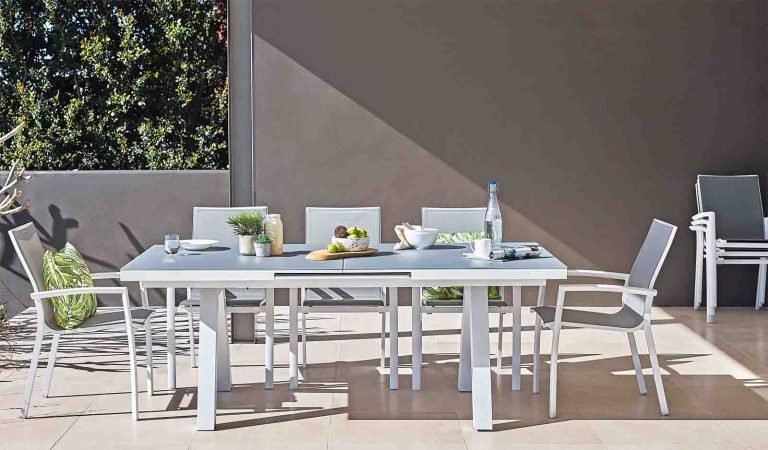
What are the benefits of choosing aluminum garden furniture for outdoor spaces?
Choosing aluminum garden furniture for outdoor spaces offers several benefits. Aluminum is a popular material for outdoor furniture due to its unique characteristics and advantages. Here are some of the benefits of choosing aluminum garden furniture:
1. Lightweight and Easy to Move:
One of the significant advantages of aluminum garden furniture is its lightweight nature. Aluminum is much lighter than materials like iron or steel, making it easy to move and rearrange the furniture as needed. This lightweight property is especially beneficial if you frequently rearrange your outdoor space or need to store the furniture during certain seasons.
2. Rust-Resistant:
Aluminum is naturally rust-resistant, which makes it an excellent choice for outdoor furniture. Unlike iron or steel, which may require regular maintenance to prevent rust, aluminum does not rust. This resistance to rust ensures that your aluminum furniture can withstand exposure to various weather conditions, including rain and humidity, without corroding.
3. Durable and Long-Lasting:
Aluminum garden furniture is known for its durability and longevity. It is a sturdy material that can withstand the rigors of outdoor use. Aluminum furniture is resistant to cracking, warping, and bending, ensuring that it maintains its structural integrity over time. With proper care and maintenance, aluminum furniture can last for many years, providing you with long-lasting enjoyment.
4. Low Maintenance:
Another advantage of aluminum garden furniture is its low maintenance requirements. Unlike wooden furniture that may require staining or sealing, or iron furniture that may need regular painting or coating, aluminum furniture is relatively easy to maintain. It can be cleaned with mild soap and water or a gentle household cleaner. Additionally, aluminum furniture does not require any specific treatments or coatings to maintain its appearance and durability.
5. Versatile Design Options:
Aluminum garden furniture is available in a wide range of design options to suit various tastes and styles. Whether you prefer a modern, contemporary look or a more traditional aesthetic, you can find aluminum furniture that fits your outdoor space. Aluminum can be shaped and formed into different styles and designs, allowing for versatility in the appearance of the furniture.
6. Environmentally Friendly:
Aluminum is a highly recyclable material, making it an environmentally friendly choice for garden furniture. Choosing aluminum furniture supports sustainable practices by reducing the demand for new materials and minimizing waste. Additionally, aluminum furniture can be recycled at the end of its life cycle, further reducing its environmental impact.
Overall, aluminum garden furniture offers numerous benefits, including lightweight portability, rust resistance, durability, low maintenance, versatile design options, and environmental friendliness. These advantages make aluminum an attractive option for outdoor spaces, allowing you to create a stylish and long-lasting outdoor seating area.
editor by CX 2023-11-03
China Best Sales Customized Garden Chaise Lounge Patio Villa Resort Project Morden Pool Sun Bed Furniture Outdoor Leisure CHINAMFG Beach Lounge Chair vacuum pump connector
Product Description
Customized Garden Chaise Lounge Patio Villa Resort Project Morden Pool Sun Bed Furniture Outdoor Leisure CHINAMFG Beach Lounge Chair
We are a professional manufacturer of outdoor furniture with more than 20 years of experience. Extensive OEM experience gives us the ability to complete your design with simple drawings or pictures.
In every department of our factory have professional quality inspection personnel, they will check every small parts, only achieve the standard parts can flow into the next department, so as to maximize the reduction of defective. Even so, we
have a professional full inspection careful check of the product before packing, in the case of ensure that the product qualified finished packing and waiting for the shipment.
Professional powder coating line strictly controls the CHINAMFG temperature, ensure the stability of product color and powder adhesion. The diversified wood grain color of manual brush is the feature of our factory. The workers brush out the ideal wood grain by hands. The finished product is absolutely thought to be natural wood if you do not touch and knock, to
achieve the effect of wood imitation with aluminum.
We have professional weaving workers those whom with decades of experience, and the woven products are close and smooth. Our factory requires that the products must be woven with long rattan material, to reduce nailing as much as possible. Although the production schedule will be slowed down a lot, it increases the firmness and durability of the
products.
A perfect product is also inseparable from the quality of the packaging. We have various ways of packing, just like normal carton box, dolly pack, shaped box packing etc. We will help customers to save the transportation space base on the perfect protect productions and do our best to save our customers transportation costs.
Our sales team has more than 15 years of experience of outdoor furniture, and understands every production process; we
can solve all kinds of professional problems for you and answer your questions in time. We will give professional suggestion and information to help you choose the right styles. We also provide high resolution photos service and detail photos for
your close checking your orders from beginning producing to loading container.
We have established long term business with more than 30 raw material suppliers. We have an efficient supply chain management system to make sure the delivery on time. We focus on producing outdoor furniture, but also supply Sun-umbrella, bean bags, hammock etc. to support with one-stop shopping service to save your time and cost.
| Material: | Aluminum |
|---|---|
| Style: | Modern |
| Type: | Single |
| Folded: | Unfolded |
| Armrest: | Without Armrest |
| Customized: | Customized |
| Samples: |
US$ 180/Piece
1 Piece(Min.Order) | |
|---|
| Customization: |
Available
|
|
|---|
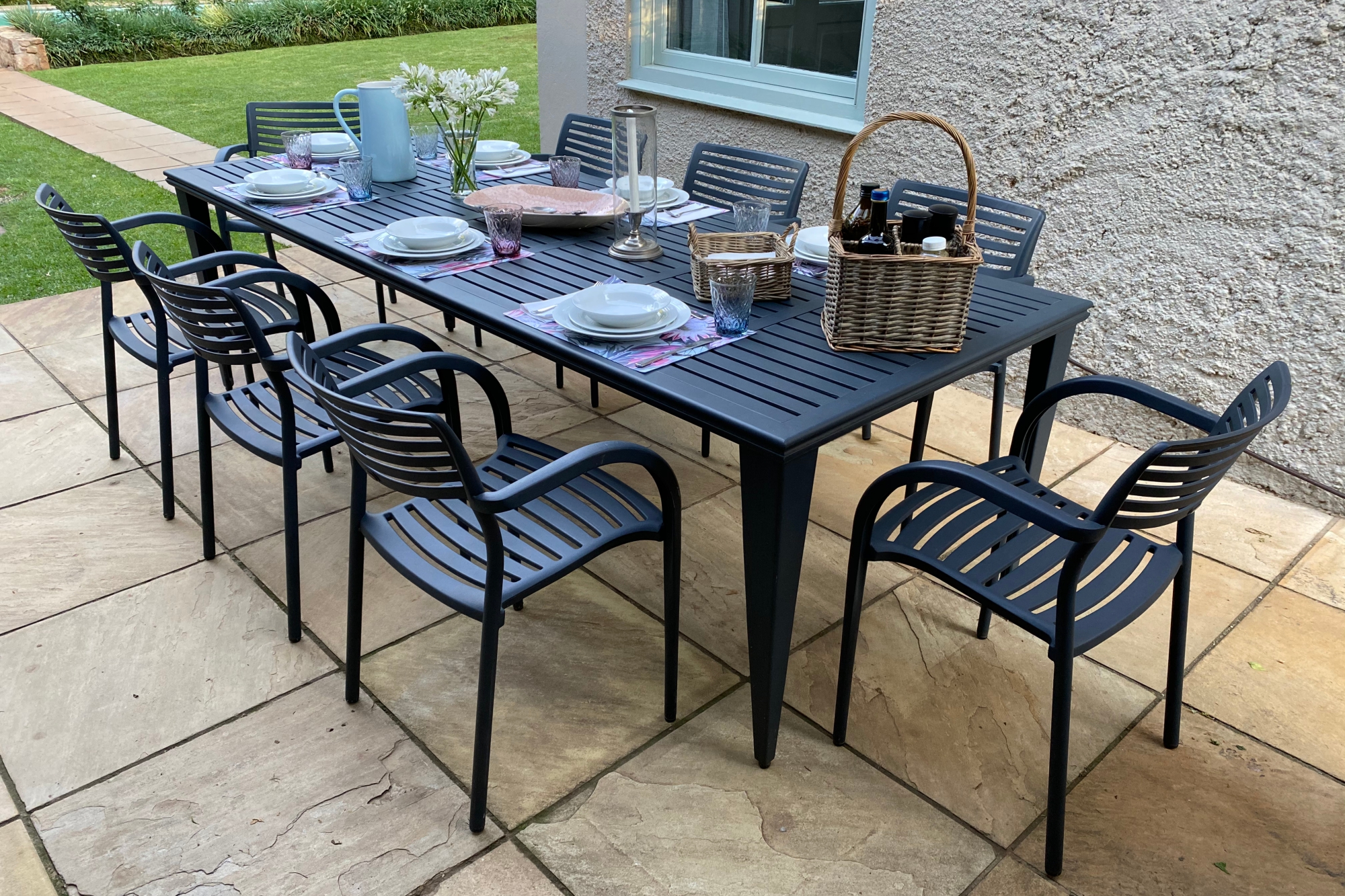
Can I repurpose indoor furniture for outdoor use with the right treatment?
Repurposing indoor furniture for outdoor use is possible with the right treatment and considerations. Here are some important points to keep in mind:
1. Furniture Material:
Consider the material of the indoor furniture before repurposing it for outdoor use. Certain materials are better suited for outdoor conditions, such as teak, aluminum, wrought iron, and certain types of synthetic materials. These materials are more resistant to moisture, UV rays, and other outdoor elements.
2. Moisture and Waterproofing:
Outdoor environments expose furniture to moisture, rain, and humidity. To repurpose indoor furniture for outdoor use, it’s essential to ensure it is adequately protected against moisture. Use waterproofing treatments, sealants, or outdoor-grade paints to create a protective barrier that prevents water absorption and helps prevent warping, rotting, or mold growth.
3. UV Protection:
Indoor furniture is not designed to withstand prolonged exposure to direct sunlight. UV rays can cause fading, discoloration, and deterioration of materials. Apply UV-resistant finishes or use protective covers to shield the repurposed furniture from excessive sunlight. Additionally, consider placing the furniture in shaded areas to minimize direct UV exposure.
4. Maintenance Requirements:
Outdoor furniture typically requires more maintenance compared to indoor furniture. Before repurposing indoor furniture, be prepared to invest time and effort into regular cleaning, inspections, and maintenance. Follow the manufacturer’s instructions for care and maintenance, including cleaning techniques, recommended cleaning products, and frequency of maintenance tasks.
5. Consider Climate and Weather:
Take into account the climate and weather conditions of your area. If you live in an area with extreme temperatures, high humidity, or frequent rain, the repurposed indoor furniture may be more susceptible to damage. Assess whether the furniture can withstand the local climate and weather patterns before repurposing it for outdoor use.
6. Safety Considerations:
Ensure that repurposed indoor furniture is safe for outdoor use. Check for stability, structural integrity, and any potential hazards. Outdoor furniture needs to withstand environmental factors such as wind, rain, and uneven surfaces. Reinforce or repair any weak or damaged areas to ensure the safety of users.
7. Longevity and Lifespan:
Repurposed indoor furniture may have a shorter lifespan when used outdoors due to the harsher conditions. Consider the expected longevity of the repurposed furniture and determine if it aligns with your needs and expectations. Keep in mind that even with proper treatment, the furniture may still wear out faster than purpose-built outdoor furniture.
8. Personal Style and Aesthetics:
Repurposing indoor furniture for outdoor use allows you to bring your personal style and aesthetics into your outdoor space. Consider the design, colors, and overall look of the furniture to ensure it complements your outdoor environment and desired aesthetic.
While it is possible to repurpose indoor furniture for outdoor use with the right treatment, it’s important to carefully evaluate the suitability of the furniture and consider the factors mentioned above. Adhering to proper treatment methods and maintenance routines can help extend the lifespan of repurposed furniture and enhance your outdoor living experience.
What are the best materials for garden furniture frames that are rust-resistant?
When it comes to selecting garden furniture frames that are rust-resistant, several materials are known for their durability and ability to withstand outdoor conditions. Choosing the right material for your garden furniture can help ensure its longevity and minimize maintenance. Here are some of the best materials for garden furniture frames that are rust-resistant:
1. Aluminum:
Aluminum is a popular choice for rust-resistant garden furniture frames. It is lightweight, durable, and does not rust. Aluminum frames are typically powder-coated or anodized to provide additional protection against corrosion. Powder coating involves applying a protective layer of colored powder that bonds to the metal surface, while anodizing creates a protective oxide layer. Aluminum frames are low maintenance and can withstand various weather conditions.
2. Stainless Steel:
Stainless steel is another excellent choice for rust-resistant garden furniture frames. It is highly resistant to corrosion and can withstand exposure to moisture and harsh outdoor environments. Stainless steel frames are strong and durable, making them suitable for heavy use. However, it’s important to note that low-quality stainless steel or stainless steel with a low chromium content may still be prone to rust, so it’s essential to choose high-quality stainless steel furniture.
3. Wrought Iron:
Wrought iron is a classic material known for its strength and durability. It is typically coated with a protective finish, such as powder coating or paint, to prevent rust. Proper maintenance, including periodic touch-ups and sealing any chips or scratches in the finish, can help maintain the rust resistance of wrought iron frames. Wrought iron furniture adds a timeless and elegant look to garden spaces.
4. Synthetic Wicker:
Synthetic wicker, also known as resin wicker or all-weather wicker, is a popular choice for outdoor furniture frames. It is made from synthetic materials, such as high-density polyethylene (HDPE), that are resistant to rust and other forms of corrosion. Synthetic wicker furniture is lightweight, easy to maintain, and can withstand exposure to various weather conditions. It is often paired with aluminum frames for added durability.
5. Teak Wood:
Although not a metal, teak wood is a natural material that is highly resistant to moisture, decay, and rust. Teak furniture frames are an excellent choice for outdoor use due to their inherent durability. Teak wood contains natural oils that protect it from rot and corrosion. However, teak furniture requires regular maintenance, such as cleaning and periodic application of teak oil, to maintain its appearance and prevent graying.
6. Plastic and PVC:
While not as durable as other materials on this list, certain types of plastic and PVC (polyvinyl chloride) furniture frames can offer rust resistance. Plastic and PVC frames are lightweight, affordable, and require minimal maintenance. Look for high-quality plastic or PVC furniture that is specifically designed for outdoor use and resistant to UV radiation and fading.
When choosing rust-resistant garden furniture frames, consider factors such as durability, maintenance requirements, and overall aesthetic appeal. It’s also important to note that while these materials are rust-resistant, proper care and maintenance still play a crucial role in prolonging the lifespan of your garden furniture.
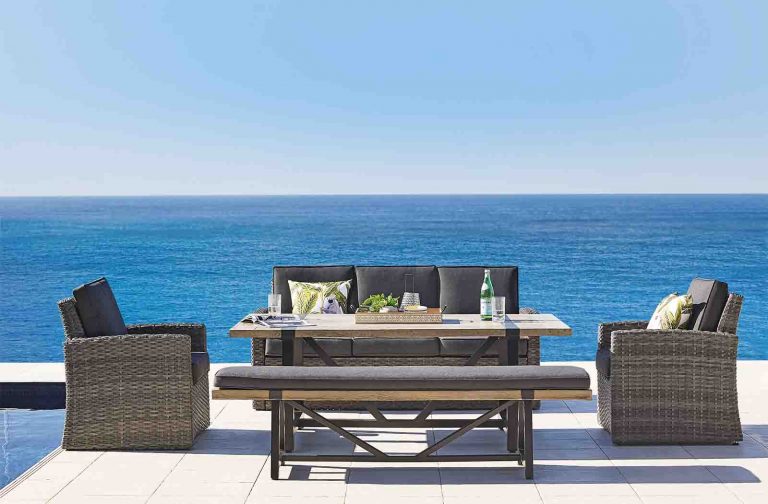
Are there any eco-friendly or sustainable options for garden furniture?
Yes, there are several eco-friendly and sustainable options available for garden furniture. These options prioritize environmentally conscious materials, manufacturing processes, and durability. Here are some examples of eco-friendly and sustainable garden furniture:
1. Reclaimed Wood Furniture:
Furniture made from reclaimed wood is a sustainable choice. Reclaimed wood is salvaged from old buildings, barns, or other sources and repurposed into furniture. This helps reduce the demand for new timber and minimizes waste. Reclaimed wood furniture can have a unique, rustic appearance and is often treated for outdoor use.
2. FSC Certified Wood Furniture:
FSC (Forest Stewardship Council) certification ensures that the wood used in furniture comes from responsibly managed forests. FSC-certified wood is sourced in an environmentally and socially responsible manner, promoting sustainable forestry practices. Look for garden furniture with FSC certification to support sustainable timber production.
3. Recycled Plastic Furniture:
Furniture made from recycled plastic is an eco-friendly alternative to traditional plastic or wood furniture. This type of furniture is made from post-consumer plastic waste, such as plastic bottles or packaging. Recycled plastic furniture is durable, resistant to weather conditions, and requires minimal maintenance.
4. Metal Furniture with Recycled Content:
Some metal garden furniture options incorporate recycled content. For example, aluminum furniture made from recycled aluminum reduces the need for mining new raw materials. Look for manufacturers that use recycled metal in their furniture designs to support recycling initiatives.
5. Bamboo Furniture:
Bamboo is a fast-growing and renewable resource, making it an eco-friendly material for garden furniture. It is known for its strength, durability, and natural resistance to pests and weather conditions. Bamboo furniture is lightweight, aesthetically pleasing, and can be a sustainable choice for outdoor settings.
6. Natural Fiber Furniture:
Natural fibers such as rattan, seagrass, or wicker can be sustainable options for garden furniture. These materials are derived from plants and can be harvested without causing significant harm to the environment. Look for furniture made from sustainably sourced natural fibers and treated for outdoor use.
7. Upcycled or Vintage Furniture:
Consider upcycling or repurposing old furniture to create unique and sustainable garden pieces. By giving new life to pre-existing furniture, you can reduce waste and create personalized and environmentally friendly designs. Additionally, vintage or secondhand garden furniture can be a sustainable choice, as it extends the lifespan of existing pieces.
When selecting eco-friendly or sustainable garden furniture, look for certifications, labels, or information provided by the manufacturer that indicates their commitment to sustainability. Consider the durability, maintenance requirements, and end-of-life disposal options to make an informed choice for your outdoor space.
editor by CX 2023-11-03
China Hot selling CHINAMFG 45kw 60HP 7bar/8bar/10bar Energy Saving VSD Engine Air Compressor with Hot selling
Product Description
Product Description
HS series compressors are designed in accordance with the subtropical high temperature and high humidity working environment, and the optimized cooling design ensures that the unit can operate normally in a high temperature environment of 46°C.
Product Feature
1. Adhering to the concept of pursuing high-quality products, HS series compressors are designed in accordance with the subtropical high temperature and high humidity working environment, and the optimized cooling design ensures that the unit can operate continuously and normally in a high temperature environment of 46 °C.
2. Adopt the world-renowned CHINAMFG main motor. The protection grade is IP55. The insulation grade is F grade 100.
3. The gas circuit adopts the stainless steel pipe design of the American SAE standard, with low resistance and strong corrosion resistance, which completely eliminates the common problems of oil leakage, air leakage and air leakage under high pressure.
4. The patented synchronous two-stage compression technology is adopted, so that the compression ratio of each stage of the screw host is less than 6, which is lower than that of the ordinary screw air compressor, which ensures the service life of the screw host.
5. Each stage of the screw host has an independent oil cooling system and an automatic water removal system to ensure that the screw host can run stably around the clock.
6. The powerful third-generation e-Control controller has 6 operation monitoring points to comprehensively monitor the working conditions of the main engine, air filter, oil filter, oil separator, cooler and other important components, so that the compressor can run stably.
Specification
| Mode | HSV75A (W)-40 | HSV90A (W)-40 | HSV110A (W)-40 | HSV132A (W)-40 |
| Operating Pressure Bar (g) | 40 | 40 | 40 | 40 |
| Motor speed (kw) | 75 | 90 | 110 | 132 |
| Exhaust volume (m³/min) | 5.5 | 7.2 | 9.0 | 10.0 |
| Cooling method | water cooling | water cooling | water cooling | water cooling |
| Noise dB(A) | 72(75) | 74(78) | 74(78) | 74(78) |
| Length | 2550 | 3150 | 3150 | 3150 |
| Width | 1480 | 1880 | 1880 | 1880 |
| Height | 1850 | 1850 | 1850 | 1850 |
| Mode | HSV75A (W)-35 | HSV110A (W)-30 | HSV55A-25 | HSV90A-25 |
| Operating Pressure Bar(g) | 35 | 30 | 25 | 25 |
| Motor speed (kw) | 75 | 110 | 55 | 90 |
| Exhaust volume (m³/min) | 7.6 | 11.0 | 5.4 | 9.5 |
| Cooling method | air cooling (water cooling ) | air cooling(water cooling ) | 74(78) | air cooling |
| Noise dB(A) | 72(75) | 74(78) | 72(75) | 74(78) |
| Length | 2550 | 3150 | 2550 | 3150 |
| Width | 1480 | 1880 | 1480 | 1880 |
| Height | 1850 | 1850 | 1850 | 1850 |
| Mode | HSV180A-25 | HSV110A (W)-20 | ||
| Operating Pressure Ba(g) | 25 | 20 | ||
| Motor speed (kw) | 180 | 110 | ||
| Exhaust volume (m³/min) | 19.0 | 12.5 | ||
| Cooling method | air cooling(water cooling ) | air cooling(water cooling ) | ||
| Noise dB(A) | 78(82) | 74(78) | ||
| Length | 3980 | 3150 | ||
| Width | 1980 | 1880 | ||
| Height | 1980 | 1850 |
| After-sales Service: | Online |
|---|---|
| Warranty: | 3000hours |
| Lubrication Style: | Lubricated |
| Customization: |
Available
|
|
|---|
.shipping-cost-tm .tm-status-off{background: none;padding:0;color: #1470cc}
|
Shipping Cost:
Estimated freight per unit. |
about shipping cost and estimated delivery time. |
|---|
| Payment Method: |
|
|---|---|
|
Initial Payment Full Payment |
| Currency: | US$ |
|---|
| Return&refunds: | You can apply for a refund up to 30 days after receipt of the products. |
|---|
What are the advantages of using rotary vane compressors?
Rotary vane compressors offer several advantages that make them a popular choice for various applications. These compressors are widely used in industries where a reliable and efficient source of compressed air is required. Here are the advantages of using rotary vane compressors:
1. Compact and Lightweight:
Rotary vane compressors are typically compact and lightweight compared to other types of compressors. Their compact design makes them suitable for installations where space is limited, such as in small workshops or mobile applications. The lightweight nature of these compressors allows for easy transportation and maneuverability.
2. High Efficiency:
Rotary vane compressors are known for their high efficiency. The design of the vanes and the compression chamber allows for smooth and continuous compression, resulting in minimal energy losses. This efficiency translates into lower energy consumption and reduced operating costs over time.
3. Quiet Operation:
Rotary vane compressors operate with relatively low noise levels. The design of the compressor, including the use of vibration damping materials and sound insulation, helps to minimize noise and vibrations during operation. This makes rotary vane compressors suitable for applications where noise reduction is important, such as in indoor environments or noise-sensitive areas.
4. Oil Lubrication:
Many rotary vane compressors utilize oil lubrication, which provides several benefits. The oil lubrication helps to reduce wear and friction between the moving parts, resulting in extended compressor life and improved reliability. It also contributes to better sealing and improved efficiency by minimizing internal leakage.
5. Versatile Applications:
Rotary vane compressors are versatile and can be used in a wide range of applications. They are suitable for both industrial and commercial applications, including automotive workshops, small manufacturing facilities, dental offices, laboratories, and more. They can handle various compressed air requirements, from light-duty tasks to more demanding applications.
6. Easy Maintenance:
Maintenance of rotary vane compressors is relatively straightforward. Routine maintenance tasks typically include oil changes, filter replacements, and periodic inspection of vanes and seals. The simplicity of the design and the availability of replacement parts make maintenance and repairs easier and more cost-effective.
These advantages make rotary vane compressors an attractive choice for many applications, providing reliable and efficient compressed air solutions.
.webp)
Can air compressors be integrated into automated systems?
Yes, air compressors can be integrated into automated systems, providing a reliable and versatile source of compressed air for various applications. Here’s a detailed explanation of how air compressors can be integrated into automated systems:
Pneumatic Automation:
Air compressors are commonly used in pneumatic automation systems, where compressed air is utilized to power and control automated machinery and equipment. Pneumatic systems rely on the controlled release of compressed air to generate linear or rotational motion, actuating valves, cylinders, and other pneumatic components. By integrating an air compressor into the system, a continuous supply of compressed air is available to power the automation process.
Control and Regulation:
In automated systems, air compressors are often connected to a control and regulation system to manage the compressed air supply. This system includes components such as pressure regulators, valves, and sensors to monitor and adjust the air pressure, flow, and distribution. The control system ensures that the air compressor operates within the desired parameters and provides the appropriate amount of compressed air to different parts of the automated system as needed.
Sequential Operations:
Integration of air compressors into automated systems enables sequential operations to be carried out efficiently. Compressed air can be used to control the timing and sequencing of different pneumatic components, ensuring that the automated system performs tasks in the desired order and with precise timing. This is particularly useful in manufacturing and assembly processes where precise coordination of pneumatic actuators is required.
Energy Efficiency:
Air compressors can contribute to energy-efficient automation systems. By incorporating energy-saving features such as Variable Speed Drive (VSD) technology, air compressors can adjust their power output according to the demand, reducing energy consumption during periods of low activity. Additionally, efficient control and regulation systems help optimize the use of compressed air, minimizing waste and improving overall energy efficiency.
Monitoring and Diagnostics:
Integration of air compressors into automated systems often includes monitoring and diagnostic capabilities. Sensors and monitoring devices can be installed to collect data on parameters such as air pressure, temperature, and system performance. This information can be used for real-time monitoring, preventive maintenance, and troubleshooting, ensuring the reliable operation of the automated system.
When integrating air compressors into automated systems, it is crucial to consider factors such as the specific requirements of the automation process, the desired air pressure and volume, and the compatibility of the compressor with the control and regulation system. Consulting with experts in automation and compressed air systems can help in designing an efficient and reliable integration.
In summary, air compressors can be seamlessly integrated into automated systems, providing the necessary compressed air to power and control pneumatic components, enabling sequential operations, and contributing to energy-efficient automation processes.
In which industries are air compressors widely used?
Air compressors find extensive usage across various industries due to their versatility and ability to generate compressed air. Here are some industries where air compressors are widely employed:
1. Manufacturing: Air compressors are essential in manufacturing processes for powering pneumatic tools and equipment. They are used for tasks such as operating assembly lines, powering robotic machinery, running paint sprayers, and driving pneumatic actuators.
2. Construction: Air compressors play a crucial role in the construction industry. They power pneumatic tools like jackhammers, nail guns, impact wrenches, and concrete breakers. Compressed air is also used for concrete spraying, sandblasting, and operating air-powered lifts and hoists.
3. Automotive: Air compressors are widely used in automotive manufacturing and repair. They power air tools used in auto body shops, tire inflation equipment, pneumatic lifts, and air-operated brake systems. Compressed air is also utilized in vehicle painting and drying processes.
4. Oil and Gas: The oil and gas industry extensively relies on air compressors for various applications. They are used for pneumatic drilling, powering pneumatic tools in refineries and petrochemical plants, operating pneumatic valves and actuators, and providing instrument air for control systems.
5. Food and Beverage: Air compressors are employed in the food and beverage industry for tasks such as packaging, bottling, and sealing. They power pneumatic conveying systems, control air pressure in food processing equipment, and provide clean compressed air for food handling and storage.
6. Pharmaceutical and Healthcare: Air compressors find application in pharmaceutical manufacturing and healthcare facilities. They are used for operating medical equipment, such as ventilators and dental tools. Compressed air is also utilized in pharmaceutical processes, including tablet coating, fluid bed drying, and aseptic packaging.
7. Aerospace: The aerospace industry relies on air compressors for various applications, including aircraft maintenance and assembly. They power pneumatic tools for aircraft repair, provide compressed air for cleaning and pressurizing systems, and support ground operations, such as tire inflation and aircraft de-icing.
8. Mining: Air compressors are extensively used in the mining industry. They power pneumatic tools for drilling, rock blasting, and excavation. Compressed air is also utilized for ventilation, conveying materials, and operating underground equipment.
9. Energy and Utilities: Air compressors play a vital role in the energy and utilities sector. They are used in power generation plants for pneumatic control systems, instrument air, and operating pneumatic valves. Compressed air is also employed for cleaning and maintenance purposes.
These are just a few examples of the industries where air compressors are widely utilized. The versatility and reliability of air compressors make them indispensable in numerous applications across diverse sectors.
editor by CX 2023-11-03
China Custom Oil-Less Air Cooled Reciprocating Piston Type Hydrogen Gas Compressors for Fuel Filling Stations with Good quality
Product Description
Advantages of CHINAMFG Process Gas Compressor:
1. High quality material, Stable & Reliable operation
2. Low Maintenance cost & Low noise
3. Easy to install on site and connect with the user’s pipeline system to operate
4. Alarm automatic shutdown to protection machine function
5. Corrosion Resistance
Lubrication includes : Oil lubrication, low-oil lubrication and oil free lubrication;
Cooling method includes: Water cooling, and air cooling.
Installation type includes: Stationary and Skid Mounting.
Compressor parameters are detailed in “Reciprocating Compressor Data Table”.
| Model &Name: | DW-10.3/15-57 New Hydrogen Gas Booster Compressor |
| Structure: | D type, Two-column Two-stage, water cooled, Oil Free Reciprocating Piston Compressor |
| Comrpess medium: | H2: 88.1% C1: 6.0% C2: 3.5% C3: 0.3% iC4: 0.5% nC4: 0.9% iC5: 0.4% nC5: 0.3% |
| Flow rate at suction condition | 620m3/ h |
| Flow rate at standard condition | 8460Nm3/h |
| Atmospheric pressur | 945-964 milli bar |
| Suction pressure: | 15bar (G) |
| Discharge pressure: | 57bar (G) |
| Suction temperature: | -9~+42ºC |
| Discharge temperature: | ≤110 ºC(before cooling) |
| Shaft power: | ≤461kW |
| Shaft speed: | 420 r/min |
| Dimension: | 6770×3450×3250 mm |
| weight: | ~16t |
| Altitude | 487m |
| Relative humidity | 64-83% |
| Compressor design refer standard | API 618 |
| Painting color | can according to client’s requirement to paint |
Main Technical Parameters of Main Motor
| Motor model: | |
| Motor type: | Y Series, Three Phases, squirrel cage motor totally enclosed, Asynchronism, fan cooled suitable for direct on line starting at ambient temperature of 40˚C |
| Motor Altitude | 1000m |
| Exproof protection level | EXD dIICT4 |
| Motor power: | 560KW |
| Rated Output power | not less than 110% of the compressor power |
| Motor speed: | 420r/min |
| Motor voltage: | 6kV (ACC.IEC34.1) |
| Frequency: | 50 Hz (ACC.IEC34.1) |
| Startup mode | Direct Start |
| Protection level: | IP 55 (junction box IP55); Cos Ø>0.85. Insulation class: F; Temperature rise: Grade B; |
| Terminal box location | Above |
| Direction of rotating | Both direction |
| Motor Cooling system | IC411 |
Inquiry to us!
Note:for the other customizing process gas compressor, please kindly send below information to our factory to calculate the producing cost for your item.
Clients’ inquiries should contain related parameters
A. The gas compression medium
B. Gas composition? or the gas purity?
C. The flow rate: _____Nm3/hr
D. Inlet pressure: _____ Bar (gauge pressure or absolute pressure)
E. Discharge pressure: _____ Bar (gauge pressure or absolute pressure)
F. Inlet temperature
G.Discharge temperature
H. Cooling water temperature as well as other technical requirement.
D-type Reciprocating Compressor
D-type Compressor Specification CHINAMFG has developed models for 2D3.5,2D5.5,2D8,2D12,2D20,2D25,2D32,2D50 and 2D80 series reciprocating piston compressors. which are stable,reliable and have already been in series and modularized.CHINAMFG can aslo rapidly provide products of other specifications through modular combination design CHINAMFG users’ requirements.
Besides general gas such as air, the compressed medium may also include flammable and explosive gas, such Natural Gas and Coal Gas as well as special gas which are toxic and corrosive. CHINAMFG has taken a series of technical measures in aspects such as structure material, explosion prevention, anto-control and protection to guarantee safety and reliability. Products are widely used in variety of industries such as Petrochemicals, Fine Chemicals, Pharmaceutical Chemicals, Energy Chemicals, Machinery Industry, Electronics Industry, Agriculture, Animal Husbandry and Defense Industry, Astronomy, Aerospace, Medical and other fields.
| D type Diaphragm Compressor Technical Parameters | ||||||||||
| No. | Model | Compressed medium | F.A.D (Nm3/min) | Inlet Pressure ( Mpa) |
Exhuast Pressure (Mpa g) |
Power (KW) |
Speed r/min |
Dimension (L×W×H)mm |
N.W Weight (t) |
Voltage V |
| 1 | 2D3.5W-14/0.3~6 | Regenerated hydrogen gas | 14N | 0.03 | 0.6 | 90 | 485 | 5200*1800*2500 | 8 | 380 |
| 2 | 2D3.5W-5.7/6.5 | Regenerated gas | 5.7N | 0.02 | 0.65 | 45 | 485 | 5200*1800*2500 | 5.5 | 380 |
| 3 | 2D3.5W-17/0.4~12.5 | Synthetic tail gas | 17N | 0.04 | 1.25 | 132 | 485 | 5200*1800*2500 | 5.5 | 380 |
| 4 | 2D3.5W-20/5 | Feed gas | 20N | 0.002 | 0.5 | 132 | 485 | 5030*2000*2550 | 4.5 | 380 |
| 5 | 2D3.5W-25/9~49 | Replenish hydrogen | 25N | 0.9 | 4.9 | 132 | 485 | 5400*3500*2200 | 8 | 380 |
| 6 | 2D3.5W-79/26~49 | Recycle hydrogen | 79N | 2.6 | 4.9 | 160 | 485 | 5400*3500*2030 | 8 | 380 |
| 7 | 2D3.5W-20/0.1~6 | Feed hydrogen | 20N | 0.01 | 0.6 | 132 | 485 | 4750*2200*2550 | 4.5 | 380 |
| 8 | 2D3.5W-54/0.02~0.5 | coal gas | 54 | 0.002 | 0.05 | 110 | 585 | 4560*1800*2550 | 5.5 | 380 |
| 9 | 2D3.5W-16.7/0.2~8 | Synthetic tail gas | 16.7N | 0.01~0.04 | 0.8 | 132 | 485 | 4600*1950*2200 | 4.5 | 380 |
| 10 | 2D3.5W-36.7/0.3~2.8 | Analytical gas | 36.7N | 0.03 | 0.28 | 160 | 485 | 4190*1800*2490 | 5 | 380 |
| 11 | 2D3.5W-82/12~22 | Recycle hydrogen | 82N | 1.2 | 2.2 | 160 | 485 | 4300*1300*1740 | 5.5 | 380 |
| 12 | 2D5.5W-30/8 | coal gas | 30N | Micro positive pressure | 0.8 | 220 | 585 | 3857*1528*2505 | 6.5 | 380 |
| 13 | 2D5.5W-40/8 | Coke oven gas | 40 | Atmospheric pressure | 0.8 | 250 | 585 | 3935*2571*2585 | 6.5 | 380 |
| 14 | 2D5.5W-40/8~111 | Coke oven gas | 40N | 0.002~0.015 | 0.8 | 280 | 585 | 3935*2571*2585 | 6.5 | 380 |
| 15 | 2D5.5W-80/3.5~12.5 | Rich gas | 80N | 0.35 | 1.25 | 280 | 485 | 4502*1750*1965 | 7 | 380 |
| 16 | 2D5.5W-72/2.5~8.5 | Regenerated gas | 72N | 0.25 | 0.85 | 250 | 485 | 4040*1750*2380 | 6.5 | 10000 |
| 17 | 2D5.5W-30/0.1~7 | Hydrogen | 30N | 0.01 | 0.7 | 200 | 485 | 4420*1750*2770 | 6.5 | 10000 |
| 18 | 2D8W-44/10.2 | Reaction gas | 44 | Micro positive pressure | 1.02 | 315 | 496 | 4828*1924*2750 | 8.7 | 6000 |
| 19 | 2D8W-65/8~25 | Nitrogen gas | 65N | 0.8 | 2.5 | 250 | 490 | 4900*3645*2270 | 11 | 415 |
Test and inspection
1. Part Material Inspection: Before shipment inspecting the mechanical properties and chemical composition of the following parts and provide inspection reports: cylinder, cylinder head, crankshaft, crankcase, main bearing, connecting rod, piston rod, piston rod, cross head, connecting rod bush connecting bolt, cross head pin, etc.
2. Nondestructive inspection: the supplier shall perform non-destructive inspection of the following parts.
Hydrostatic test and pressure test
The test pressure of cylinder block, cylinder head, piston and other compressed parts is at least 1.5 times of the maximum allowable working pressure, and lasts more than 30 minutes. The test pressure of the above parts of the water chamber is at least 1.5 times the maximum allowable working pressure, not less than 0.6MPa.
Our services:
Keepwin Provides Top-Rated, Efficient Reciprocating Compressors And Parts. Energy Efficient. Industry Leading Warranty. Low Maintenance. Gas Solution Engineer and Easy Install, promises to give a definite reply within 6 hours for the after-sales product service, can provide overseas Installation service. We can customize all kinds of standard air compressor, flammable gas compressor, toxin gas compressor of reciprocating compressor & diaphragm compressor.
What is advantages of our company?
Right Compressor Right Solution Gas Engineer Company
Whether centrifugal, screw or reciprocating, CHINAMFG is the sole multi-compressor provider for you.
The Best Quality, The Most Reliability
What is need to consider when purchase a correct compressor Upgrade Your Gas Compressor to Save Money & Energy Consumption Gas compressors are a vital part of many industry applications.
Save money and energy in your industrial workplace by upgrading your gas compressor today!
FAQ
Q1: What’s your delivery time?
A: Generally for standard air compressor is 15 days if there are stocks with regular 380V/50Hz/3ph.
Special customizing compressors with 30days production date for Screw Compressor, 90days for diaphragm compressor & reciprocating process gas compressor.
Q2: How long is your air compressor warranty?
A: Usually 1 year /12 Months for whole compressor machine, 2years/24months for air end (except maintenance spare parts.). And we can provide further warranty if necessary.
Q3: How long could your air compressor be used?
A: Generally, more than 10 years.
Q4: Can you do OEM for us?
A: Yes, of course. We have around 2 decades OEM experience.And also we can do ODM for you.
Q5: What’s payment term?
A: T/T, L/C, D/P, Western Union, Paypal, Credit Card, Trade Assurance and etc. Also we could accept USD, RMB, GBP, Euro and other currency.
Q6: How about your customer service?
A: 24 hours on-line service available. 48hours problem sovled promise.
Q7: How about your after-sales service?
A: 1. Provide customers with intallation and commissioning online instructions.
2. Well-trained engineers available to overseas after-sales service.
Q8. Are you factory?
A4: Absolutely! You have touched the primary sources of Air /Gas Compressor. We are factory.
How to contact with us?
Send your Inquiry Details in the Below, or Click “Send inquiry to supplier” to check more other Gas Compressor machine equipment!
| Lubrication Style: | Lubricated |
|---|---|
| Cooling System: | Water Cooling |
| Cylinder Arrangement: | Balanced Opposed Arrangement |
| Cylinder Position: | Vertical |
| Structure Type: | Closed Type |
| Compress Level: | Single-Stage |
| Samples: |
US$ 18888/Piece
1 Piece(Min.Order) | |
|---|
| Customization: |
Available
|
|
|---|
.webp)
What is the impact of humidity on compressed air quality?
Humidity can have a significant impact on the quality of compressed air. Compressed air systems often draw in ambient air, which contains moisture in the form of water vapor. When this air is compressed, the moisture becomes concentrated, leading to potential issues in the compressed air. Here’s an overview of the impact of humidity on compressed air quality:
1. Corrosion:
High humidity in compressed air can contribute to corrosion within the compressed air system. The moisture in the air can react with metal surfaces, leading to rust and corrosion in pipes, tanks, valves, and other components. Corrosion not only weakens the structural integrity of the system but also introduces contaminants into the compressed air, compromising its quality and potentially damaging downstream equipment.
2. Contaminant Carryover:
Humidity in compressed air can cause carryover of contaminants. Water droplets formed due to condensation can carry particulates, oil, and other impurities present in the air. These contaminants can then be transported along with the compressed air, leading to fouling of filters, clogging of pipelines, and potential damage to pneumatic tools, machinery, and processes.
3. Decreased Efficiency of Pneumatic Systems:
Excessive moisture in compressed air can reduce the efficiency of pneumatic systems. Water droplets can obstruct or block the flow of air, leading to decreased performance of pneumatic tools and equipment. Moisture can also cause problems in control valves, actuators, and other pneumatic devices, affecting their responsiveness and accuracy.
4. Product Contamination:
In industries where compressed air comes into direct contact with products or processes, high humidity can result in product contamination. Moisture in compressed air can mix with sensitive products, leading to quality issues, spoilage, or even health hazards in industries such as food and beverage, pharmaceuticals, and electronics manufacturing.
5. Increased Maintenance Requirements:
Humidity in compressed air can increase the maintenance requirements of a compressed air system. Moisture can accumulate in filters, separators, and other air treatment components, necessitating frequent replacement or cleaning. Excessive moisture can also lead to the growth of bacteria, fungus, and mold within the system, requiring additional cleaning and maintenance efforts.
6. Adverse Effects on Instrumentation:
Humidity can adversely affect instrumentation and control systems that rely on compressed air. Moisture can disrupt the accuracy and reliability of pressure sensors, flow meters, and other pneumatic instruments, leading to incorrect measurements and control signals.
To mitigate the impact of humidity on compressed air quality, various air treatment equipment is employed, including air dryers, moisture separators, and filters. These devices help remove moisture from the compressed air, ensuring that the air supplied is dry and of high quality for the intended applications.
.webp)
How do you maintain proper air quality in compressed air systems?
Maintaining proper air quality in compressed air systems is essential to ensure the reliability and performance of pneumatic equipment and the safety of downstream processes. Here are some key steps to maintain air quality:
1. Air Filtration:
Install appropriate air filters in the compressed air system to remove contaminants such as dust, dirt, oil, and water. Filters are typically placed at various points in the system, including the compressor intake, aftercoolers, and before point-of-use applications. Regularly inspect and replace filters to ensure their effectiveness.
2. Moisture Control:
Excessive moisture in compressed air can cause corrosion, equipment malfunction, and compromised product quality. Use moisture separators or dryers to remove moisture from the compressed air. Refrigerated dryers, desiccant dryers, or membrane dryers are commonly employed to achieve the desired level of dryness.
3. Oil Removal:
If the compressed air system utilizes oil-lubricated compressors, it is essential to incorporate proper oil removal mechanisms. This can include coalescing filters or adsorption filters to remove oil aerosols and vapors from the air. Oil-free compressors eliminate the need for oil removal.
4. Regular Maintenance:
Perform routine maintenance on the compressed air system, including inspections, cleaning, and servicing of equipment. This helps identify and address any potential issues that may affect air quality, such as leaks, clogged filters, or malfunctioning dryers.
5. Air Receiver Tank Maintenance:
Regularly drain and clean the air receiver tank to remove accumulated contaminants, including water and debris. Proper maintenance of the tank helps prevent contamination from being introduced into the compressed air system.
6. Air Quality Testing:
Periodically test the quality of the compressed air using appropriate instruments and methods. This can include measuring particle concentration, oil content, dew point, and microbial contamination. Air quality testing provides valuable information about the effectiveness of the filtration and drying processes and helps ensure compliance with industry standards.
7. Education and Training:
Educate personnel working with compressed air systems about the importance of air quality and the proper procedures for maintaining it. Provide training on the use and maintenance of filtration and drying equipment, as well as awareness of potential contaminants and their impact on downstream processes.
8. Documentation and Record-Keeping:
Maintain accurate records of maintenance activities, including filter replacements, drying system performance, and air quality test results. Documentation helps track the system’s performance over time and provides a reference for troubleshooting or compliance purposes.
By implementing these practices, compressed air systems can maintain proper air quality, minimize equipment damage, and ensure the integrity of processes that rely on compressed air.
What is the purpose of an air compressor?
An air compressor serves the purpose of converting power, typically from an electric motor or an engine, into potential energy stored in compressed air. It achieves this by compressing and pressurizing air, which can then be used for various applications. Here’s a detailed explanation of the purpose of an air compressor:
1. Powering Pneumatic Tools: One of the primary uses of an air compressor is to power pneumatic tools. Compressed air can be used to operate a wide range of tools, such as impact wrenches, nail guns, paint sprayers, sanders, and drills. The compressed air provides the necessary force and energy to drive these tools, making them efficient and versatile.
2. Supplying Clean and Dry Air: Air compressors are often used to supply clean and dry compressed air for various industrial processes. Many manufacturing and production operations require a reliable source of compressed air that is free from moisture, oil, and other contaminants. Air compressors equipped with appropriate filters and dryers can deliver high-quality compressed air for applications such as instrumentation, control systems, and pneumatic machinery.
3. Inflating Tires and Sports Equipment: Air compressors are commonly used for inflating tires, whether it’s for vehicles, bicycles, or sports equipment. They provide a convenient and efficient method for quickly filling tires with the required pressure. Air compressors are also used for inflating sports balls, inflatable toys, and other similar items.
4. Operating HVAC Systems: Air compressors play a crucial role in the operation of heating, ventilation, and air conditioning (HVAC) systems. They provide compressed air for controlling and actuating dampers, valves, and actuators in HVAC systems, enabling precise regulation of air flow and temperature.
5. Assisting in Industrial Processes: Compressed air is utilized in various industrial processes. It can be used for air blow-off applications, cleaning and drying parts, powering air-operated machinery, and controlling pneumatic systems. Air compressors provide a reliable and efficient source of compressed air that can be tailored to meet the specific requirements of different industrial applications.
6. Supporting Scuba Diving and Breathing Systems: In scuba diving and other breathing systems, air compressors are responsible for filling diving tanks and supplying breathable air to divers. These compressors are designed to meet strict safety standards and deliver compressed air that is free from contaminants.
Overall, the purpose of an air compressor is to provide a versatile source of compressed air for powering tools, supplying clean air for various applications, inflating tires and sports equipment, supporting industrial processes, and facilitating breathing systems in specific contexts.
editor by CX 2023-11-02