Product Description
Automotive outdoor car painting room Powder Coating Machine Spray Booth for Auto/Furniture
Product Introduction
JZJ is 1 spray booth manufacturer with 20 years designing and producing equipment of car spray booth, industria spray booth, prep-staion, paint mixing room, coating line. with the high quality standard, we guarantee our customers 24 months free service.
Specification
| Outside Dimension (mm) | 7006*5360*3480(L*W*H) | Inside Dimension(mm) | 6900*4000*2650(L*W*H) | |
| Front Door(mm) | 3000*2600(W*H) | Service Door (mm) | 800*2000(W*H) | |
| Total Power | 19KW | |||
| Cabin System | Wall panel | 50mm rock-wool sandwich panel, steel sheet thickness: 0.6mm | ||
| Ceiling panel | Galvanized steel sheet. | |||
| Basement | 300mm depth, full galvanized grids | |||
| Ramp | Three pieces 2000*900mm ramps | |||
| Glass | 5mm safety tempered glass | |||
| Windows | Square glass windows. | |||
| Air Make-up System | Air inlet fan system | 1*7.5kw turbo fan, ABB motor | ||
| Exhausted fan system | 1*7.5kw turbo fan, ABB motor | |||
| Air capacity | 25000m3/h | |||
| Air flowing speed | 0.3m/s in empty booth | |||
| Air control method | Air inlet system and exhausted system, each with 1 manual damper | |||
| Air ducting | 8 meters air duct, 1 flop damper and 1 weather hood | |||
| Purification System | Pre-filter | G3 grade, Pocket filter | ||
| Ceiling filter | EU5 / F5 | |||
| Floor filter | Green fiber glass filter / G3 grade | |||
| Exhausted fan filters | Pocket filter and active carbon | |||
| Heating System | Heat exchanger | SUS304 material, argon arc welding. | ||
| Heating burner: | Riello G20 diesel burner | |||
| Heating productivity | 180000Kcal/h | |||
| Spray to baking switch | 20N BELLIMO brand Electrical Damper | |||
| Chimney ducting | 3 CHINAMFG stainless ducting and 1 chimney cap | |||
| Max heating temperature | 80ºC | |||
| Heating time | 5-6min(20-60ºC) | |||
| fuel consumption | 6-8L/vehicle | |||
| Lighting System | Ceiling lights | 8 Units, each 4 * 18W LED lamps. Total 576 W | ||
| Side lights | 8 Units, each 2 * 18W LED lamps, Total 288W | |||
| Illumination | 900LUX | |||
| Controlling System | Switched control panel | Spraying & baking switch, before baking flash-off, after baking flash off, lighting switch, emergency stop, breakdown alarm, failure alarm | ||
Detailed Images
♦ Using High Quality Materials
♦ Stuidy and Durable Basement
♦ Safe and Simple Operation
ZheJiang CHINAMFG Industrial Paint Equipment Co., Ltd, is located in the Yangtze River CHINAMFG Economic Zone, China Industrial Painting Base, HangZhou city, ZheJiang Province. We have the plant area of 99000m2, garden-style industrial zone. We have the staff of 260, including 20 engineers with 15years designing experience. Our annual production capacity can CHINAMFG 2, 500 sets paint booth.
We adhere to the “heritage of big business style, classic gaming counterparts, – creating the world brand” core values. Pursuit high goals, has won wide recognition and praise from the government and the market.
Our products are JZJ Brand spray booth, sandblasting booth, shot blasting machines etc. Our products have passed the ISO9001, EU CE, the products have been shipped in the domestic 34 provinces and more than 50 countries like Germany, Japan, Russia etc.
Our products are CHINAMFG in the industrial of the automobile, aviation, wind power, nuclear power, engineering machinery, machine tool manufacturing, and other industries.
Welcome the customers from China and all over the world to join us!
Q: What standards are you carrying out for your products?
A: We produce according to the ISO 9001 and ISO 14001 rules.
Q: How to install the machine?
A: We will arrange 1-2 engineers to your factory to guide installation and assembly.
Q: What is your international market?
A: We have exported our products to about 50 countries and regions worldwide, such as the US, France, Singapore, Australia, the Middle East, Germany, Japan, Russia, Sweden, Finland and more
Q: What is your productivity?
A: We have 2 production basement – ZheJiang CHINAMFG Industry Coating Equipment Co. Ltd and HangZhou CHINAMFG Industrial Painting Equipment Co. Ltd. We are specialized in automobile spray booth, automobile metal collision painting line, prep-station, shower test booth, sand blasting booth, shot blasting machine and more.
Our yearly productivity is 2,500 sets spray booth, so we can send you products quickly.
Q: Do you have the right to export?
A: Yes, we are registered in the customs and gained the right to export by ourselves.
/* March 10, 2571 17:59:20 */!function(){function s(e,r){var a,o={};try{e&&e.split(“,”).forEach(function(e,t){e&&(a=e.match(/(.*?):(.*)$/))&&1
| Warranty: | 12 Months |
|---|---|
| Type: | Spray Booth |
| Certification: | CCC, CE, ISO9001 |
| Substrate: | Steel |
| Brand: | Jzj |
| Coating: | Powder Coating |
| Customization: |
Available
|
|
|---|

How do I clean mold and mildew from outdoor furniture cushions?
Mold and mildew can develop on outdoor furniture cushions due to exposure to moisture and lack of proper ventilation. Here’s a step-by-step guide to cleaning mold and mildew from your outdoor furniture cushions:
1. Safety Precautions:
Before starting the cleaning process, make sure to wear protective gloves and a mask to avoid direct contact with mold spores.
2. Brushing:
Begin by using a soft-bristle brush or a toothbrush to gently scrub the affected areas of the cushions. This will help loosen the mold or mildew and remove any surface debris.
3. Vacuuming:
Use a vacuum cleaner with a brush attachment to thoroughly vacuum the cushions. This will help remove any loose mold spores or debris.
4. Cleaning Solution:
Prepare a cleaning solution by mixing one part mild dish soap or laundry detergent with four parts warm water. Avoid using bleach or harsh chemicals, as they can damage the fabric.
5. Spot Testing:
Before applying the cleaning solution to the entire cushion, perform a spot test on a small, inconspicuous area to ensure that it does not cause any discoloration or damage.
6. Cleaning:
Dip a sponge or soft cloth into the cleaning solution and gently scrub the affected areas of the cushions. Work in small sections and avoid oversaturating the fabric.
7. Rinsing:
After cleaning, rinse the cushions thoroughly with clean water to remove any soap residue. This can be done using a garden hose or by wiping the cushions with a damp cloth.
8. Drying:
Allow the cushions to air dry completely in a well-ventilated area. Avoid placing them in direct sunlight, as this can cause fading or damage to the fabric.
9. Prevention:
To prevent future mold and mildew growth, ensure proper ventilation for your outdoor furniture. Avoid leaving cushions exposed to prolonged moisture or rain. If possible, store the cushions in a dry place during periods of non-use.
If the mold or mildew stains persist after cleaning, you may need to repeat the process or consider using a specialized mold and mildew cleaner. Follow the instructions provided by the manufacturer for best results.
Regular maintenance and cleaning of outdoor furniture cushions can help prevent mold and mildew growth. It’s recommended to clean the cushions at least once a season or more frequently if needed.
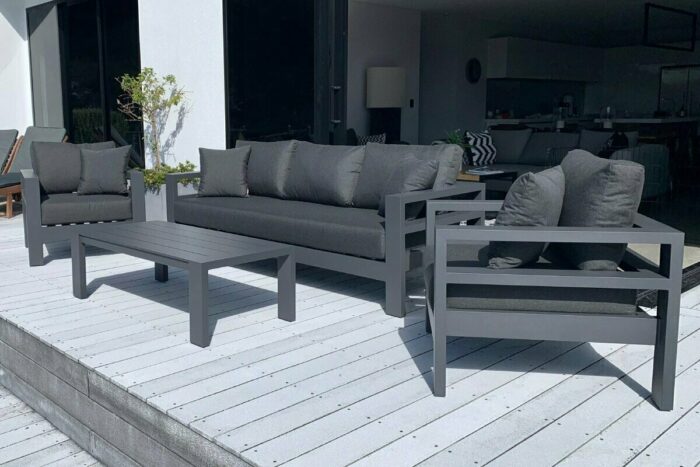
What are the advantages of using teak wood for outdoor furniture?
Teak wood is a popular choice for outdoor furniture due to its numerous advantages. Here are some of the key advantages of using teak wood:
1. Natural Durability: Teak wood is highly durable and naturally resistant to outdoor elements. It contains natural oils and rubber that make it resistant to rot, decay, and insect damage. Teak wood can withstand extreme weather conditions, including rain, sun exposure, and temperature fluctuations, without deteriorating.
2. Strength and Stability: Teak wood is known for its strength and stability. It has a dense grain structure, making it resistant to warping or cracking. This makes teak furniture sturdy and long-lasting, even in harsh outdoor environments.
3. Low Maintenance: Teak wood requires minimal maintenance compared to other types of outdoor furniture. Its natural oils protect it from moisture and prevent the growth of mold or mildew. Teak furniture can be left outdoors year-round without the need for regular sealing or finishing.
4. Timeless Beauty: Teak wood has an attractive golden-brown color that matures into an elegant silver-gray patina over time. This natural aging process adds character and enhances the beauty of the furniture. Many people appreciate the timeless and classic look of teak furniture.
5. Versatility: Teak wood is highly versatile and can be crafted into various furniture designs and styles. It can be intricately carved or shaped into sleek and modern designs. Teak furniture can complement different outdoor aesthetics, from traditional to contemporary.
6. Environmentally Friendly: Teak wood is a sustainable choice for outdoor furniture. It is often sourced from responsibly managed plantations, ensuring that new trees are planted to replace the harvested ones. Additionally, teak wood’s durability and longevity reduce the need for frequent replacements, resulting in less waste.
7. Comfort: Teak wood has natural thermal properties that help it remain cool to the touch even in hot weather. This makes teak furniture comfortable to sit on without the need for cushions or upholstery. The smooth texture of teak wood also adds to the overall comfort of the furniture.
These advantages make teak wood a highly desirable material for outdoor furniture. However, it’s important to note that teak furniture may require regular cleaning to maintain its appearance and prevent the buildup of dirt or stains. Applying teak oil can also help preserve its natural color if desired.
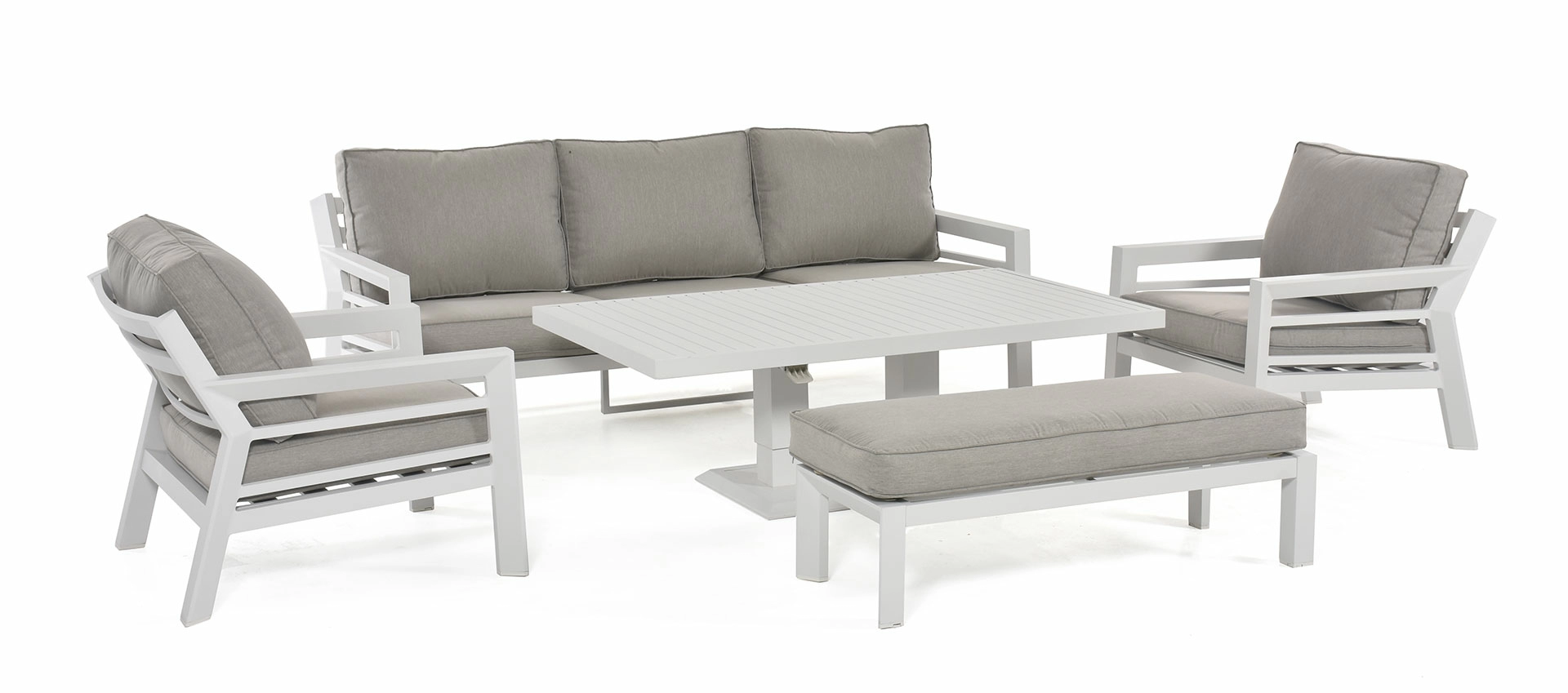
How can I protect my outdoor furniture during the winter months?
Protecting your outdoor furniture during the winter months is crucial to ensure its longevity and keep it in good condition. Here are some tips to help you protect your outdoor furniture:
1. Clean and Prepare: Before winter arrives, thoroughly clean your outdoor furniture to remove any dirt, debris, or stains. Use a mild soap, water, and a soft brush or sponge. Rinse the furniture thoroughly and allow it to dry completely. Once clean, apply an appropriate protective finish or sealant if recommended by the manufacturer.
2. Store Indoors: If possible, consider storing your outdoor furniture indoors during the winter months. A garage, basement, or storage shed can provide protection from harsh winter weather. If space is limited, prioritize storing more delicate or valuable pieces, such as cushions or lightweight furniture, while heavier or more durable items may be left outside with proper coverings.
3. Use Furniture Covers: If storing your furniture indoors is not an option, use weather-resistant covers designed specifically for outdoor furniture. Look for covers made from durable materials that are waterproof, UV-resistant, and breathable. Properly cover each piece of furniture, including tables, chairs, and cushions, to keep them protected from snow, rain, and wind.
4. Elevate and Protect: When leaving furniture outside, elevate it from the ground to prevent moisture damage. Use furniture glides, blocks, or a raised platform to keep the furniture off the wet or frozen ground. Additionally, use furniture protectors or caps on the legs to prevent scratching or damage to delicate surfaces.
5. Remove Cushions and Fabric: If your outdoor furniture has removable cushions or fabric, it’s best to store them indoors during the winter. Clean the cushions thoroughly, allow them to dry completely, and store them in a dry and protected area. If storing indoors is not possible, use weather-resistant cushion storage bags or containers to keep them protected from moisture and pests.
6. Inspect and Maintain: Periodically check on your outdoor furniture during the winter months. Remove any accumulated snow or debris from the covers and ensure they are securely in place. Inspect the furniture for any signs of damage or wear and make any necessary repairs as soon as possible.
7. Avoid Excessive Weight: While it may be tempting to use your outdoor furniture as storage surfaces during the winter, it’s best to avoid placing heavy objects on them. Excessive weight can cause damage or warping, especially if the furniture is made from materials like wicker or plastic.
By following these tips, you can help protect your outdoor furniture during the winter months and extend its lifespan. Remember to always refer to the manufacturer’s guidelines and recommendations for specific care instructions for your furniture.
editor by CX 2024-01-15
China high quality Air Compressor Machine Direct Connection Portable Air Compressor 50L air compressor for car
Product Description
Overview
Quick Details
| Applicable Industries: | Other, Industry, electronics and food industry, etc | Showroom Location: | None |
| Place of Origin: | ZHangZhoug, China | Model Number: | CE550F |
| Warranty: | 1 Year | Working Pressure: | 0-8 bar |
| Machinery Test Report: | Provided | Video outgoing-inspection: | Provided |
| Marketing Type: | Wholesale and DIY | Warranty of core components: | 1 Year |
| Core Components: | Motor | Gas Type: | Air |
| size: | small | capacity 1: | large, convenient portability |
| After Warranty Service: | No service | capacity 2: | energy saving environmental protection, Long life |
| Local Service Location: | None | Aftersales Service Provided: | No after-sales service |
|
Scope of application |
Widely used in industry, electronics and food industry, etc |
| TYPE(BM) | 24 |
| Motor power(HP/KW) | 2/1.5 |
| Cylinder(mm) | 47*1 |
| Speed (R/min) | 2850 |
| Exhaust volume (L/min) | 169 |
| Rating Pressure(Mpa/Psi) | 0.8/115 |
| Warranty | 1 year |
| Pressure | 0-8 bar |
| Power | 1.5 kw |
ABOUT CHINAMFG
BOYU GROUP is a large scale enterpise group which is specializing and manufacturing various kind of compressors, welding machines, motors and water pumps.
It was established in 1988. The headquarter is located in HangZhou City, HangZhou, ZHangZhoug Province. With modern factories covering areas more than 2 sets, covering 23 series and 120 kinds of specifications.
Since its establishment, we have always abode by the spirit of faithful and professional, pragmatic and innovation. We took in lead in introducing the ERP information management system. Making the management more innovative and perfect. In additional, our product has passed CE, ETL, RoHs, SAA and IS900A ect. The products have been covered all round of the world gain recognition from international customers!
/* March 10, 2571 17:59:20 */!function(){function s(e,r){var a,o={};try{e&&e.split(“,”).forEach(function(e,t){e&&(a=e.match(/(.*?):(.*)$/))&&1
| Warranty: | 1 Year |
|---|---|
| Lubrication Style: | Lubricated |
| Cooling System: | Air Cooling |
| Cylinder Arrangement: | Duplex Arrangement |
| Cylinder Position: | Horizontal |
| Structure Type: | Closed Type |
| Samples: |
US$ 58/Piece
1 Piece(Min.Order) | |
|---|
| Customization: |
Available
|
|
|---|
.webp)
Can air compressors be used for cleaning and blowing dust?
Yes, air compressors can be effectively used for cleaning and blowing dust in various applications. Here’s how air compressors are utilized for these purposes:
1. Cleaning Machinery and Equipment:
Air compressors are commonly used for cleaning machinery and equipment in industries such as manufacturing, automotive, and construction. Compressed air is directed through a nozzle or blowgun attachment to blow away dust, debris, and other contaminants from surfaces, crevices, and hard-to-reach areas. The high-pressure air effectively dislodges and removes accumulated dust, helping to maintain equipment performance and cleanliness.
2. Dusting Surfaces:
Air compressors are also employed for dusting surfaces in various settings, including homes, offices, and workshops. The compressed air can be used to blow dust off furniture, shelves, electronic equipment, and other objects. It provides a quick and efficient method of dusting, especially for intricate or delicate items where traditional dusting methods may be challenging.
3. Cleaning HVAC Systems:
Air compressors are utilized for cleaning HVAC (Heating, Ventilation, and Air Conditioning) systems. The compressed air can be used to blow dust, dirt, and debris from air ducts, vents, and cooling coils. This helps improve the efficiency and air quality of HVAC systems, preventing the buildup of contaminants that can affect indoor air quality.
4. Blowing Dust in Workshops:
In workshops and garages, air compressors are often used to blow dust and debris from workbenches, power tools, and work areas. Compressed air is directed to blow away loose particles and maintain a clean and safe work environment. This is particularly useful in woodworking, metalworking, and other trades where dust and debris can accumulate during the manufacturing or fabrication processes.
5. Cleaning Electronics and Computer Equipment:
Air compressors are employed for cleaning electronics and computer equipment. The compressed air is used to blow dust and debris from keyboards, computer cases, circuit boards, and other electronic components. It helps in preventing overheating and maintaining the proper functioning of sensitive electronic devices.
6. Industrial Cleaning Applications:
Air compressors find extensive use in industrial cleaning applications. They are employed in industrial settings, such as factories and warehouses, for cleaning large surfaces, production lines, and equipment. Compressed air is directed through specialized cleaning attachments or air-operated cleaning systems to remove dust, dirt, and contaminants efficiently.
When using air compressors for cleaning and blowing dust, it is important to follow safety precautions and guidelines. The high-pressure air can cause injury if directed towards the body or sensitive equipment. It is advisable to wear appropriate personal protective equipment, such as safety glasses and gloves, and ensure that the air pressure is regulated to prevent excessive force.
Overall, air compressors provide a versatile and effective solution for cleaning and blowing dust in various applications, offering a convenient alternative to traditional cleaning methods.
.webp)
How do you troubleshoot common air compressor problems?
Troubleshooting common air compressor problems can help identify and resolve issues that may affect the performance and functionality of the compressor. Here are some steps to troubleshoot common air compressor problems:
1. No Power:
- Check the power source and ensure the compressor is properly plugged in.
- Inspect the circuit breaker or fuse box to ensure it hasn’t tripped or blown.
- Verify that the compressor’s power switch or control panel is turned on.
2. Low Air Pressure:
- Check the air pressure gauge on the compressor. If the pressure is below the desired level, the compressor might not be building up enough pressure.
- Inspect for air leaks in the system. Leaks can cause a drop in pressure. Listen for hissing sounds or use a soapy water solution to identify the location of leaks.
- Ensure the compressor’s intake filter is clean and not clogged, as this can restrict airflow and reduce pressure.
3. Excessive Noise or Vibration:
- Inspect the compressor’s mounting and foundation to ensure it is secure and stable. Loose mounts can cause excessive noise and vibration.
- Check for loose or damaged components, such as belts, pulleys, or motor mounts. Tighten or replace as necessary.
- Verify that the compressor’s cooling system, such as the fan or fins, is clean and free from obstructions. Overheating can lead to increased noise and vibration.
4. Air Leaks:
- Inspect all connections, valves, fittings, and hoses for leaks. Tighten or replace any loose or damaged components.
- Apply a soapy water solution to suspected areas and look for bubbles. Bubbles indicate air leaks.
- Consider using thread sealant or Teflon tape on threaded connections to ensure a proper seal.
5. Excessive Moisture in Compressed Air:
- Check the compressor’s drain valve and ensure it is functioning properly. Open the valve to release any accumulated moisture.
- Inspect and clean the compressor’s moisture separator or air dryer, if equipped.
- Consider installing additional filtration or drying equipment to remove moisture from the compressed air system.
6. Motor Overheating:
- Ensure the compressor’s cooling system is clean and unobstructed.
- Check the motor’s air intake vents and clean any dust or debris that may be blocking airflow.
- Verify that the compressor is not being operated in an excessively hot environment.
- Check the motor’s lubrication levels and ensure they are within the manufacturer’s recommended range.
- Consider using a thermal overload protector to prevent the motor from overheating.
If troubleshooting these common problems does not resolve the issue, it may be necessary to consult the manufacturer’s manual or seek assistance from a qualified technician. Regular maintenance, such as cleaning, lubrication, and inspection, can also help prevent common problems and ensure the optimal performance of the air compressor.
.webp)
What is the role of air compressor tanks?
Air compressor tanks, also known as receiver tanks or air receivers, play a crucial role in the operation of air compressor systems. They serve several important functions:
1. Storage and Pressure Regulation: The primary role of an air compressor tank is to store compressed air. As the compressor pumps air into the tank, it accumulates and pressurizes the air. The tank acts as a reservoir, allowing the compressor to operate intermittently while providing a steady supply of compressed air during periods of high demand. It helps regulate and stabilize the pressure in the system, reducing pressure fluctuations and ensuring a consistent supply of air.
2. Condensation and Moisture Separation: Compressed air contains moisture, which can condense as the air cools down inside the tank. Air compressor tanks are equipped with moisture separators or drain valves to collect and remove this condensed moisture. The tank provides a space for the moisture to settle, allowing it to be drained out periodically. This helps prevent moisture-related issues such as corrosion, contamination, and damage to downstream equipment.
3. Heat Dissipation: During compression, air temperature increases. The air compressor tank provides a larger surface area for the compressed air to cool down and dissipate heat. This helps prevent overheating of the compressor and ensures efficient operation.
4. Pressure Surge Mitigation: Air compressor tanks act as buffers to absorb pressure surges or pulsations that may occur during compressor operation. These surges can be caused by variations in demand, sudden changes in airflow, or the cyclic nature of reciprocating compressors. The tank absorbs these pressure fluctuations, reducing stress on the compressor and other components, and providing a more stable and consistent supply of compressed air.
5. Energy Efficiency: Air compressor tanks contribute to energy efficiency by reducing the need for the compressor to run continuously. The compressor can fill the tank during periods of low demand and then shut off when the desired pressure is reached. This allows the compressor to operate in shorter cycles, reducing energy consumption and minimizing wear and tear on the compressor motor.
6. Emergency Air Supply: In the event of a power outage or compressor failure, the stored compressed air in the tank can serve as an emergency air supply. This can provide temporary air for critical operations, allowing time for maintenance or repairs to be carried out without disrupting the overall workflow.
Overall, air compressor tanks provide storage, pressure regulation, moisture separation, heat dissipation, pressure surge mitigation, energy efficiency, and emergency backup capabilities. They are vital components that enhance the performance, reliability, and longevity of air compressor systems in various industrial, commercial, and personal applications.


editor by CX 2024-01-12
China high quality Industrial Equipment Rotary Screw Air Compressor to Fit The Polyurea Spray Machine air compressor for car
Product Description
Industrial Equipment Rotary Screw air compressor to fit the polyurea spray machine
Key Parameters:
| MODEL | POWER (KW, HP) |
PRESSURE Bar |
CAPACITY (m³/min) | WEIGHT Kg |
OUTLET POPE DIAMATER |
NOISE LEVEL dB |
| AMQAM7.5A | 5.5KW, 7.5HP | 7/8/10 Bar | 0.65/0.60/0.55 | 380 | G3/4 | 65 |
| AMQM10A | 7.5KW, 10HP | 7/8/10 Bar | 1.05/0.99/0.90 | 380 | G3/4 | 65 |
| AMQM15A | 11KW, 15HP | 7/8/10 Bar | 1.68/1.59/1.45 | 505 | G3/4 | 65 |
| AMQM20A | 15KW, 20HP | 7/8/10 Bar | 2.20/2.10/1.91 | 505 | G3/4 | 65 |
| AMQPM7.5A | 5.5KW, 7.5HP | 7/8/10/13 Bar | 0.65/0.60/0.55/0.45 | 380 | G3/4 | 65 |
| AMQPM10A | 7.5KW, 10HP | 7/8/10/13 Bar | 1.05/0.99/0.90/0.75 | 380 | G3/4 | 65 |
| AMQPM15A | 11KW, 15HP | 7/8/10/13/15 Bar | 1.68/1.59/1.45/1.30/1.14 | 505 | G3/4 | 65 |
| AMQPM20A | 15KW, 20HP | 7/8/10/13/15 Bar | 2.20/2.10/1.91/1.74/1.50 | 505 | G3/4 | 65 |
The powerful features of AIMIQI Compressor System:
1)Security-oriented design.
2)BSC mainframe
3)Low energy cunsumption.
4)High efficiency.
5)Low noise.
6)Electric oil-water separator.
7)Electric valve at bottom of air tank.
8)15 bar Max. outlet pressure.
Warranty:
12 monthes for machine while 3 monthes for consumables.
After-sales service:
Video technical support, Online support.
/* March 10, 2571 17:59:20 */!function(){function s(e,r){var a,o={};try{e&&e.split(“,”).forEach(function(e,t){e&&(a=e.match(/(.*?):(.*)$/))&&1
| After-sales Service: | Online Video Service |
|---|---|
| Warranty: | 12 Months |
| Lubrication Style: | Oil-free |
| Cooling System: | Air Cooling |
| Power Source: | AC Power |
| Cylinder Position: | Vertical |
| Customization: |
Available
|
|
|---|
.webp)
What role do air dryers play in compressed air systems?
Air dryers play a crucial role in compressed air systems by removing moisture and contaminants from the compressed air. Compressed air, when generated, contains water vapor from the ambient air, which can condense and cause issues in the system and end-use applications. Here’s an overview of the role air dryers play in compressed air systems:
1. Moisture Removal:
Air dryers are primarily responsible for removing moisture from the compressed air. Moisture in compressed air can lead to problems such as corrosion in the system, damage to pneumatic tools and equipment, and compromised product quality in manufacturing processes. Air dryers utilize various techniques, such as refrigeration, adsorption, or membrane separation, to reduce the dew point of the compressed air and eliminate moisture.
2. Contaminant Removal:
In addition to moisture, compressed air can also contain contaminants like oil, dirt, and particles. Air dryers help in removing these contaminants to ensure clean and high-quality compressed air. Depending on the type of air dryer, additional filtration mechanisms may be incorporated to enhance the removal of oil, particulates, and other impurities from the compressed air stream.
3. Protection of Equipment and Processes:
By removing moisture and contaminants, air dryers help protect the downstream equipment and processes that rely on compressed air. Moisture and contaminants can negatively impact the performance, reliability, and lifespan of pneumatic tools, machinery, and instrumentation. Air dryers ensure that the compressed air supplied to these components is clean, dry, and free from harmful substances, minimizing the risk of damage and operational issues.
4. Improved Productivity and Efficiency:
Utilizing air dryers in compressed air systems can lead to improved productivity and efficiency. Dry and clean compressed air reduces the likelihood of equipment failures, downtime, and maintenance requirements. It also prevents issues such as clogging of air lines, malfunctioning of pneumatic components, and inconsistent performance of processes. By maintaining the quality of compressed air, air dryers contribute to uninterrupted operations, optimized productivity, and cost savings.
5. Compliance with Standards and Specifications:
Many industries and applications have specific standards and specifications for the quality of compressed air. Air dryers play a vital role in meeting these requirements by ensuring that the compressed air meets the desired quality standards. This is particularly important in industries such as food and beverage, pharmaceuticals, electronics, and automotive, where clean and dry compressed air is essential for product integrity, safety, and regulatory compliance.
By incorporating air dryers into compressed air systems, users can effectively control moisture and contaminants, protect equipment and processes, enhance productivity, and meet the necessary quality standards for their specific applications.
.webp)
Can air compressors be integrated into automated systems?
Yes, air compressors can be integrated into automated systems, providing a reliable and versatile source of compressed air for various applications. Here’s a detailed explanation of how air compressors can be integrated into automated systems:
Pneumatic Automation:
Air compressors are commonly used in pneumatic automation systems, where compressed air is utilized to power and control automated machinery and equipment. Pneumatic systems rely on the controlled release of compressed air to generate linear or rotational motion, actuating valves, cylinders, and other pneumatic components. By integrating an air compressor into the system, a continuous supply of compressed air is available to power the automation process.
Control and Regulation:
In automated systems, air compressors are often connected to a control and regulation system to manage the compressed air supply. This system includes components such as pressure regulators, valves, and sensors to monitor and adjust the air pressure, flow, and distribution. The control system ensures that the air compressor operates within the desired parameters and provides the appropriate amount of compressed air to different parts of the automated system as needed.
Sequential Operations:
Integration of air compressors into automated systems enables sequential operations to be carried out efficiently. Compressed air can be used to control the timing and sequencing of different pneumatic components, ensuring that the automated system performs tasks in the desired order and with precise timing. This is particularly useful in manufacturing and assembly processes where precise coordination of pneumatic actuators is required.
Energy Efficiency:
Air compressors can contribute to energy-efficient automation systems. By incorporating energy-saving features such as Variable Speed Drive (VSD) technology, air compressors can adjust their power output according to the demand, reducing energy consumption during periods of low activity. Additionally, efficient control and regulation systems help optimize the use of compressed air, minimizing waste and improving overall energy efficiency.
Monitoring and Diagnostics:
Integration of air compressors into automated systems often includes monitoring and diagnostic capabilities. Sensors and monitoring devices can be installed to collect data on parameters such as air pressure, temperature, and system performance. This information can be used for real-time monitoring, preventive maintenance, and troubleshooting, ensuring the reliable operation of the automated system.
When integrating air compressors into automated systems, it is crucial to consider factors such as the specific requirements of the automation process, the desired air pressure and volume, and the compatibility of the compressor with the control and regulation system. Consulting with experts in automation and compressed air systems can help in designing an efficient and reliable integration.
In summary, air compressors can be seamlessly integrated into automated systems, providing the necessary compressed air to power and control pneumatic components, enabling sequential operations, and contributing to energy-efficient automation processes.
How do oil-lubricated and oil-free air compressors differ?
Oil-lubricated and oil-free air compressors differ in terms of their lubrication systems and the presence of oil in their operation. Here are the key differences:
Oil-Lubricated Air Compressors:
1. Lubrication: Oil-lubricated air compressors use oil for lubricating the moving parts, such as pistons, cylinders, and bearings. The oil forms a protective film that reduces friction and wear, enhancing the compressor’s efficiency and lifespan.
2. Performance: Oil-lubricated compressors are known for their smooth and quiet operation. The oil lubrication helps reduce noise levels and vibration, resulting in a more comfortable working environment.
3. Maintenance: These compressors require regular oil changes and maintenance to ensure the proper functioning of the lubrication system. The oil filter may need replacement, and the oil level should be regularly checked and topped up.
4. Applications: Oil-lubricated compressors are commonly used in applications that demand high air quality and continuous operation, such as industrial settings, workshops, and manufacturing facilities.
Oil-Free Air Compressors:
1. Lubrication: Oil-free air compressors do not use oil for lubrication. Instead, they utilize alternative materials, such as specialized coatings, self-lubricating materials, or water-based lubricants, to reduce friction and wear.
2. Performance: Oil-free compressors generally have a higher airflow capacity, making them suitable for applications where a large volume of compressed air is required. However, they may produce slightly more noise and vibration compared to oil-lubricated compressors.
3. Maintenance: Oil-free compressors typically require less maintenance compared to oil-lubricated ones. They do not need regular oil changes or oil filter replacements. However, it is still important to perform routine maintenance tasks such as air filter cleaning or replacement.
4. Applications: Oil-free compressors are commonly used in applications where air quality is crucial, such as medical and dental facilities, laboratories, electronics manufacturing, and painting applications. They are also favored for portable and consumer-grade compressors.
When selecting between oil-lubricated and oil-free air compressors, consider the specific requirements of your application, including air quality, noise levels, maintenance needs, and expected usage. It’s important to follow the manufacturer’s recommendations for maintenance and lubrication to ensure the optimal performance and longevity of the air compressor.
editor by CX 2023-12-25